
LIFESTYLE
National Nutrition Week 2026: Must-include essential nutrients in your diet to stay healthy..
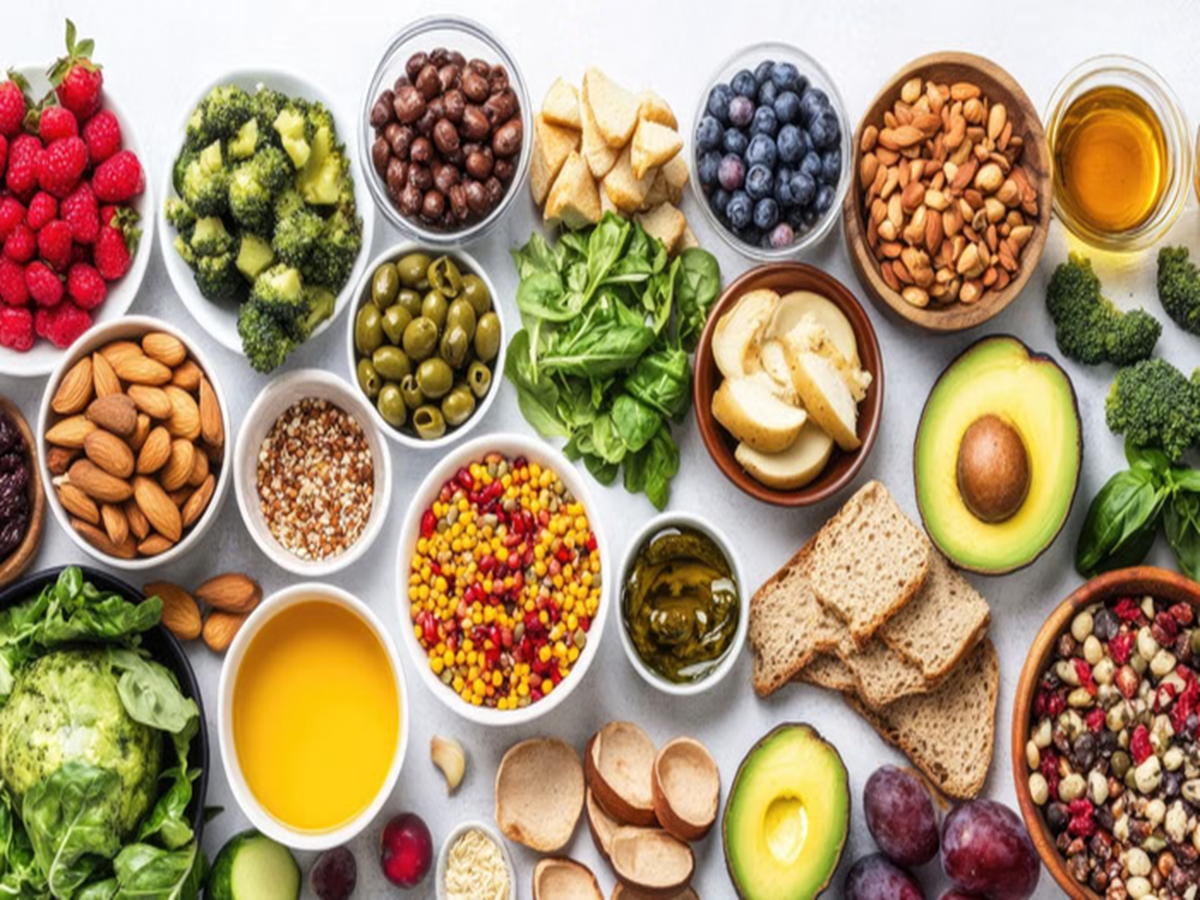
Essential Nutrients Your Body Needs: National Nutrition Week is observed in India every year from September 1st to 7th. Its objective is to raise awareness among people about balanced diets, nutrients, and healthy lifestyles.
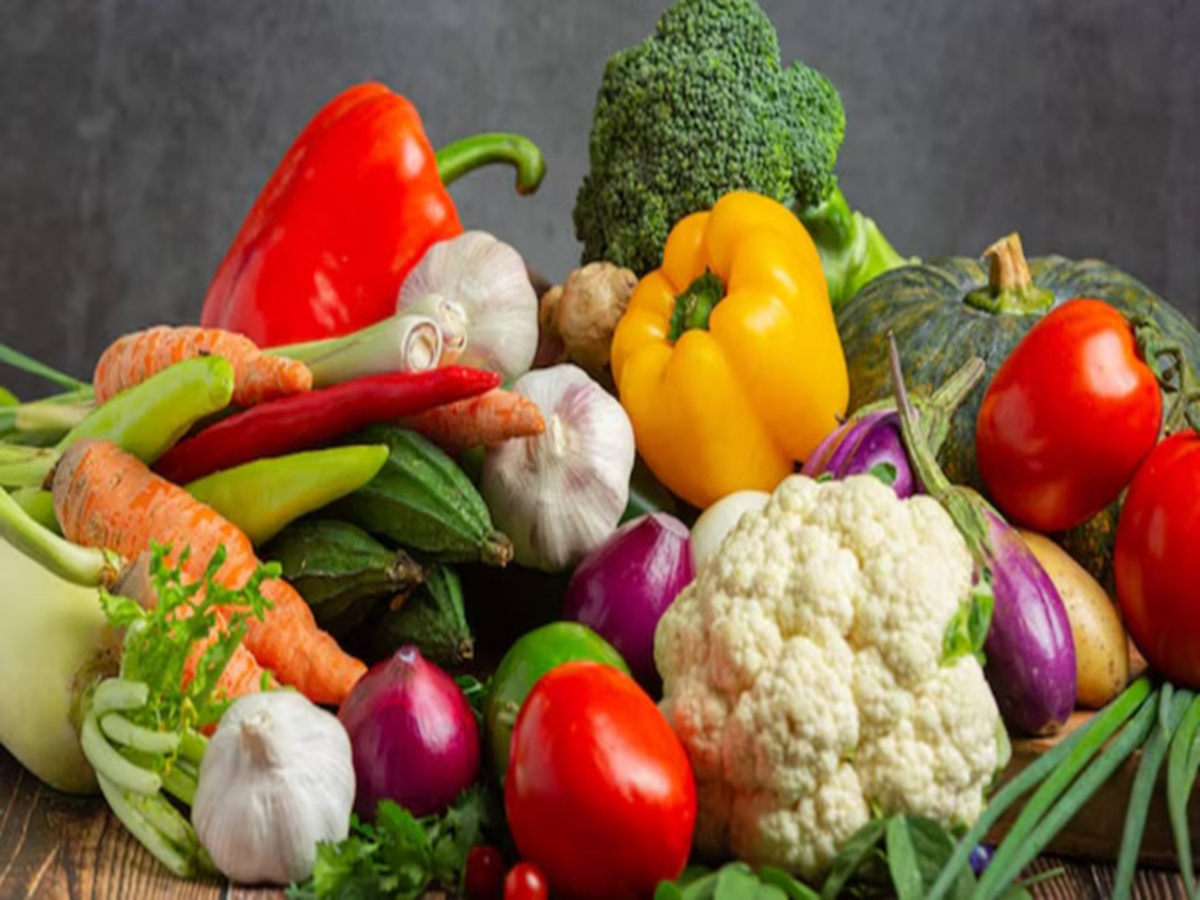
Merely filling one's stomach is not enough to keep the body healthy; it is essential to include specific nutrients in one's daily diet. A deficiency in these nutrients can weaken the immune system and lead to fatigue, weakness, and various health-related issues.
So, on the occasion of National Nutrition Week, let us explore the essential nutrients the body requires daily and the food sources from which they can be easily obtained.
Which nutrients does the body need daily?
1. Protein
Protein is one of the most vital nutrients for the body. It plays a crucial role in building and repairing muscles, skin, hair, and body tissues. Protein is also required to produce various enzymes, hormones, and other essential substances within the body. Adequate protein intake is particularly important for children, adolescents, pregnant women, and physically active individuals. Lentils (dal), chickpeas (chana), kidney beans (rajma), mung beans, soybeans, paneer (cottage cheese), milk, yogurt, eggs, fish, and meat are excellent sources of protein. Vegetarians can meet their protein requirements through lentils, soy products, paneer, milk, and nuts.
2. Healthy Fats
People often consider fat harmful to health, but the body requires fat in the right amounts. Apart from providing energy, fat aids in the absorption of certain essential vitamins and plays a key role in the normal functioning of cells. Almonds, walnuts, peanuts, sesame seeds, flaxseeds, chia seeds, and other seeds are good sources of healthy fats. It is also important to pay attention to the quantity of oil used in cooking. One should avoid the regular consumption of deep-fried foods and foods containing trans fats.
3. Vitamins and Minerals
Although the body requires vitamins and minerals in small quantities, they play a crucial role. They help maintain the normal functioning of the immune system, bones, eyes, blood formation, metabolism, and various other bodily processes. For instance, calcium is vital for bones and teeth, while iron aids in transporting oxygen throughout the body. Colorful fruits, green leafy vegetables, milk and yogurt, lentils, whole grains, nuts, and seeds are excellent sources of vitamins and minerals. Therefore, including a variety of fruits and vegetables in your daily diet is beneficial.
4. Fiber
Fiber is a nutrient that plays a key role in maintaining a healthy digestive system. It helps regulate bowel movements and prevents constipation. Fiber-rich foods also help you feel full for longer periods. Fruits, vegetables, lentils, chickpeas, kidney beans, other beans, whole grains, oats, pearl millet (bajra), and other coarse grains are good sources of fiber. It is also essential to drink plenty of water when increasing fiber intake. Consuming fiber from diverse sources daily is a vital part of a balanced diet.

Why is a balanced diet important?
Consuming only one type of food does not provide the body with adequate amounts of all essential nutrients. Therefore, it is advisable to include grains, lentils (or other protein sources), vegetables, fruits, milk/yogurt (or suitable alternatives), nuts and seeds, and sufficient water in your daily meals.
PC Social Media