
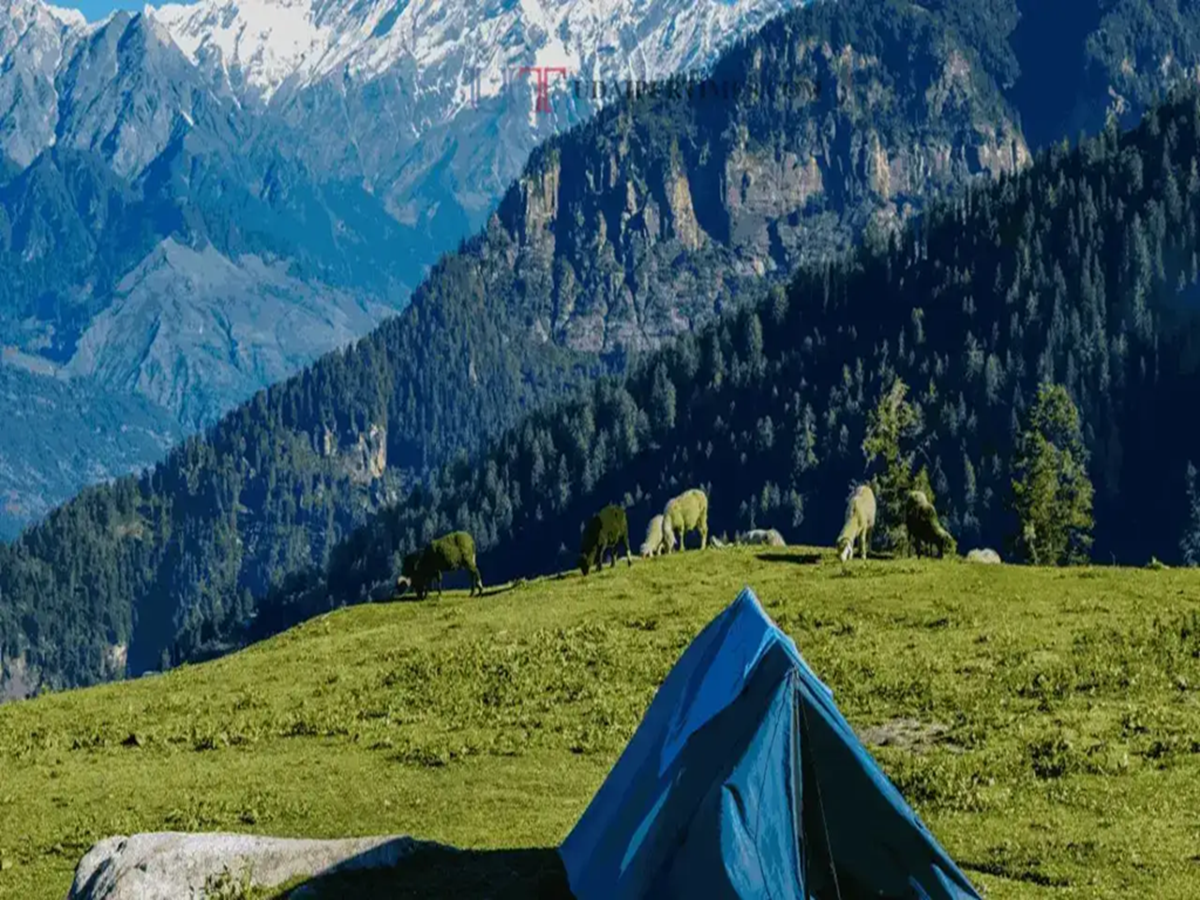
Weather conditions in the mountains can change within minutes during the monsoon; therefore, always check the latest updates from the meteorological department before setting out. Additionally, verify with the administration or relevant authorities whether the roads along your intended route are open. Heavy rains often lead to road closures lasting hours or even days. Venturing out without this information increases the risk of getting stranded mid-journey. Postponing your trip when adverse weather warnings are issued is the safest course of action. Traveling with the right information saves time and money while minimizing risk.
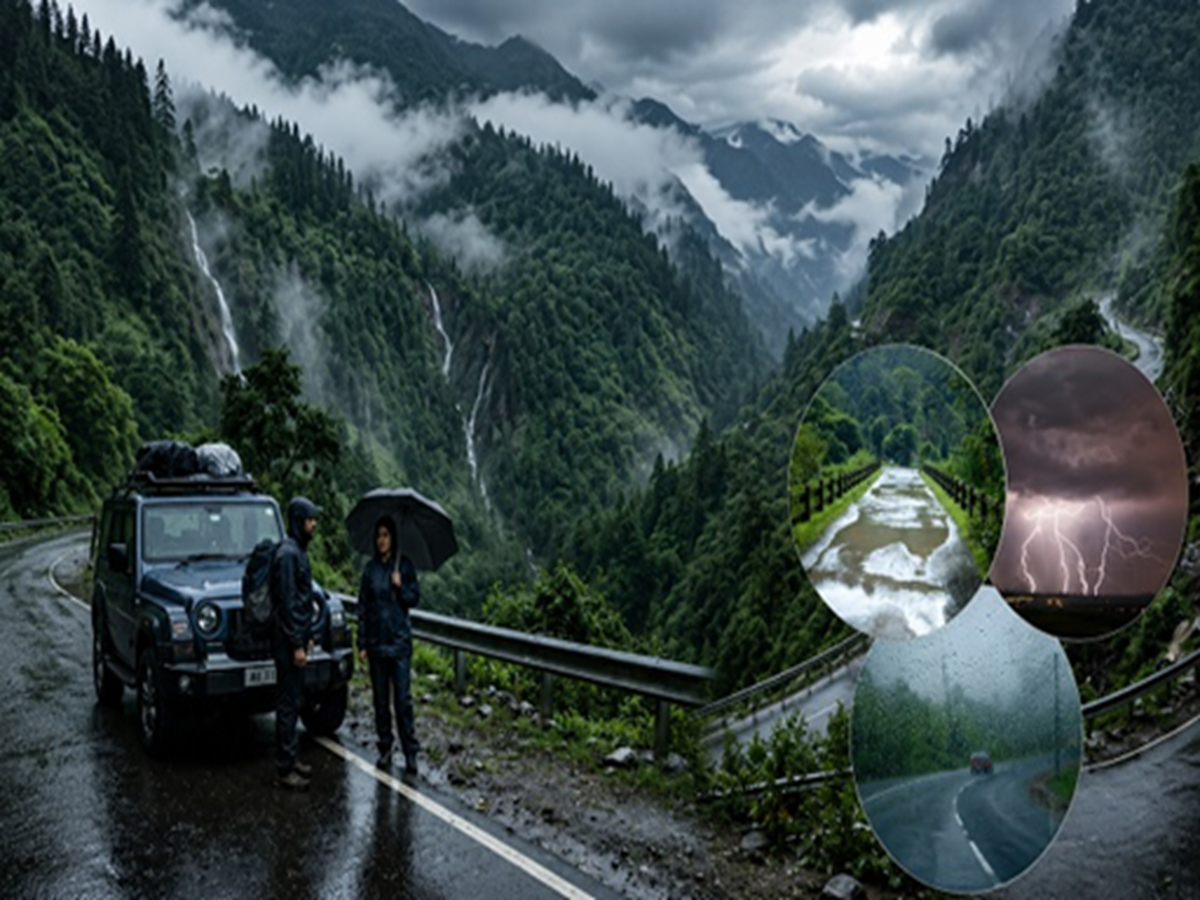
District administrations and meteorological departments issue periodic advisories during the monsoon to ensure public safety; never take 'Red,' 'Orange,' or 'Yellow' alerts lightly. Do not attempt to travel on routes where the administration has advised against movement. Tourists sometimes ignore warnings in search of adventure, leading to accidents. Adhering to government guidelines is crucial for a safe journey; prioritize the administration's advice, as it is intended for your safety.
Traveling through hilly regions at night during the rainy season can be hazardous. In the dark, it is difficult to spot obstacles such as fallen rocks, landslide debris, flowing water, or damaged road sections. Mobile network connectivity is often unavailable in many areas, making it difficult to seek help during emergencies. Furthermore, if a road gets blocked, relief operations can be hampered at night. Therefore, try to travel during the morning or daytime and reach your destination before dusk; traveling during the day is considered safer and more convenient.
Many locations in the mountains are prone to landslides during the monsoon, and rocks or boulders can fall unexpectedly in such areas. If you encounter a sign indicating a 'landslide zone,' avoid stopping your vehicle unnecessarily to take photos or videos. Many accidents occur simply due to negligence. If debris begins to fall onto the road, move to a safe location immediately and await instructions from the administration. Prioritize your safety as well as that of other travelers; a few minutes of caution can save your life.
During the rainy season, even small mountain streams can suddenly turn into raging torrents. Water levels can surge manifold in just a few minutes. Do not attempt to cross any river or stream under these conditions, even if the water appears shallow; the strong current can sweep away both vehicles and people. If you encounter deep water on the road, stop at a safe location and wait for the water level to recede or for official clearance. Taking risks for the sake of thrill-seeking can prove fatal; always prioritize safety.
Ensuring your vehicle is in good condition is crucial for safe travel on mountain roads during the monsoon. Before setting out, thoroughly check the brakes, tires, headlights, wipers, battery, and engine. Tires must have good grip, as the risk of skidding is high on wet roads. Carry sufficient fuel, as petrol pumps are not available everywhere in hilly regions. Also, keep a spare tire and essential tools in the vehicle. If there are any technical issues, get them fixed beforehand; a well-maintained vehicle significantly reduces the risk of accidents.
Weather conditions can deteriorate suddenly during monsoon travel, and road closures might force you to halt for a while. Therefore, ensure your bag contains a first-aid kit, essential medicines, a flashlight, a power bank, a raincoat, an umbrella, drinking water, and light dry snacks. Keep your mobile phone fully charged and carry a backup charging option if possible, as electricity and network connectivity can be unreliable in mountainous areas. Being well-prepared allows you to handle emergencies easily and ensures a safe journey.
If the administration or police have barricaded a road and closed it, do not make the mistake of trying to cross it. People often attempt to pass through closed routes to save time, leading to serious accidents. Authorities close roads only when there is a danger involved. Additionally, keep your family or friends updated on your location and travel details from time to time during the trip. Also, save important emergency numbers on your mobile phone. In case of any problem, immediately contact the local administration, police, or disaster management team. A little caution can make your entire journey safe and pleasant.
PC Social Media