
LIFESTYLE
Low Oxygen Level: It’s not just shortness of breath—these signs also indicate that oxygen levels in the body are dropping..

Every part of the body requires a continuous supply of oxygen to function. Oxygen entering the lungs through breathing passes into the bloodstream and is transported to the brain, heart, muscles, and other body parts. If blood oxygen levels drop for any reason, it can lead to health complications. In medical terms, low blood oxygen is known as hypoxemia.
Initially, the body attempts to compensate for low oxygen levels. Signs such as rapid breathing, shortness of breath, restlessness, and an increased heart rate may appear. However, if the condition worsens, it can affect the brain and other vital organs. In such situations, you may experience dizziness, headaches, confusion, extreme weakness, or drowsiness.
Prolonged oxygen deficiency can cause serious health issues; therefore, it is important to address the situation promptly.
Oxygen Deficiency – Hypoxemia
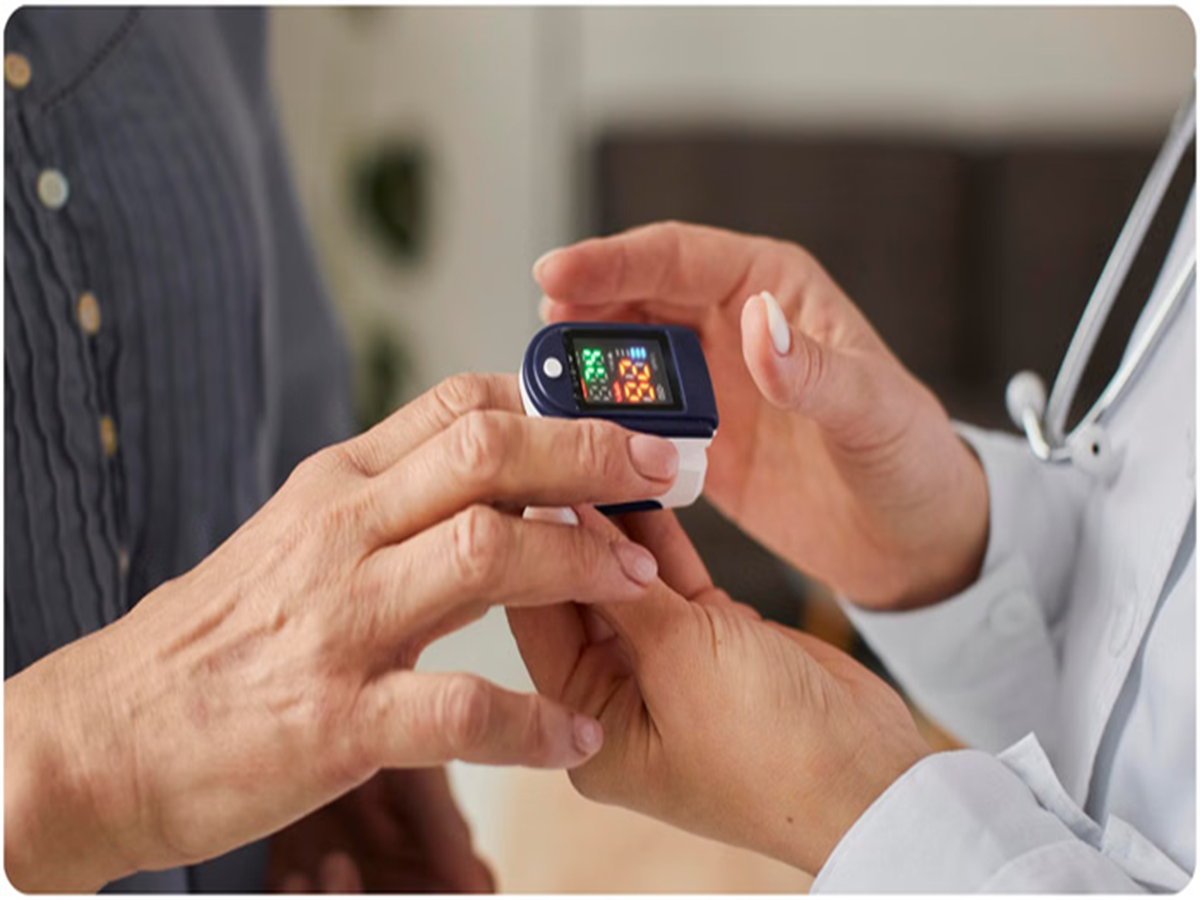
A pulse oximeter is commonly used to monitor oxygen levels in the body.
In healthy individuals, oxygen saturation (SpO₂) typically ranges between 95% and 100%.
However, normal levels may differ for people with certain lung or heart conditions.
In cases of severe oxygen deficiency, the lips or skin may turn blue, and the person might even lose consciousness.
It is also important to note that, in some cases, symptoms may not be clearly apparent despite low oxygen levels; therefore, one should not assume oxygen levels are normal based solely on external symptoms.
So, what are the first signs that appear when oxygen levels in the body drop?
Shortness of Breath and Breathing Difficulties
Shortness of breath is one of the most common signs of low oxygen levels. You may feel as though you are not getting enough air or find yourself needing to take repeated deep breaths to catch your breath. Some people experience rapid breathing after even minimal physical activity, whereas in severe cases, breathing difficulties can occur even while at rest.
However, shortness of breath is not solely an indicator of low oxygen levels; it can also be caused by conditions such as anemia, anxiety, obesity, heart disease, and other health issues.
Therefore, any breathing problem that starts suddenly or progressively worsens should not be ignored.
**Bluish discoloration of lips, nails, or skin**
In cases of severe oxygen deficiency, the lips, nails, or skin may appear blue or bluish. This condition is known as cyanosis and can be a significant sign of low oxygen levels in the body.
If the lips or face begin to turn blue and are accompanied by breathing difficulties, it should be treated as a medical emergency. In such a situation, immediately check your pulse oximeter reading; if it is below 90, consult a doctor right away.
**Restlessness and confusion**
When oxygen levels drop, the body attempts to compensate by increasing the heart rate and breathing rate. Consequently, you may experience a rapid heartbeat, restlessness, or a sense of panic. If these symptoms are accompanied by shortness of breath, chest pain, or weakness, seek medical advice immediately.

Additionally, oxygen deficiency can lead to neurological issues. A lack of sufficient oxygen can cause dizziness, difficulty concentrating, confusion, abnormal behavior, or extreme weakness.
**What causes low oxygen levels?**
Health experts state that there can be various reasons for low oxygen levels. Typically, individuals suffering from pneumonia, asthma, COPD, or lung infections are prone to this issue. Furthermore, certain heart diseases, airway obstructions, blood clots in the lungs, and exposure to high altitudes can also affect oxygen levels.
PC Social Media