LIFESTYLE
Krishna Janmashtami 2026: When is Krishna Janmashtami on September 4 or 5? Know the exact date and night time worship time..
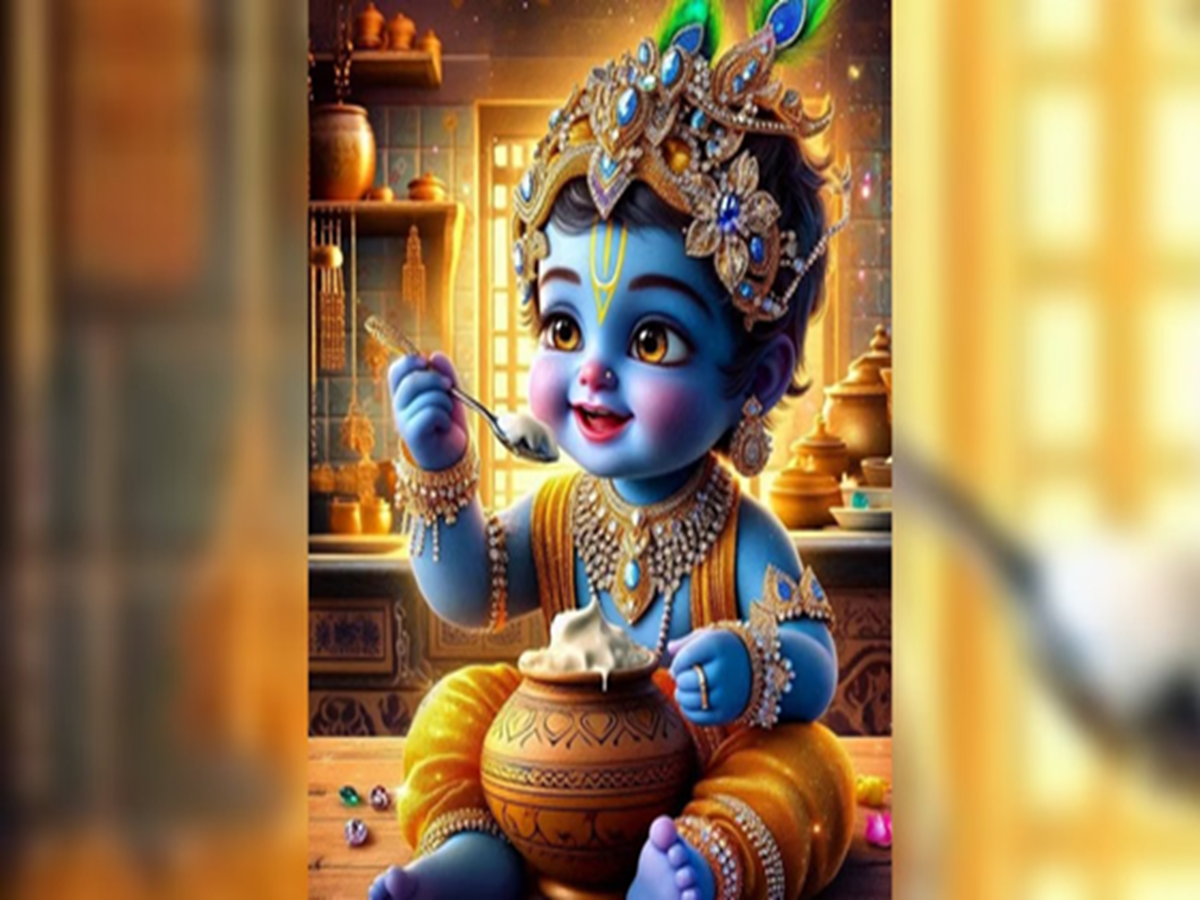
Krishna Janmashtami 2026 Date: In the Sanatan tradition, the *Ashtami* (eighth day) of the dark fortnight (*Krishna Paksha*) of the *Bhadrapada* month is celebrated as the day of Lord Krishna's incarnation, known as Krishna Janmashtami. According to the scriptures, it was on this auspicious date during the *Dvapara Yuga* that Devaki-nandan Krishna incarnated in Mathura. On this holy occasion, devotees worship Lord Krishna with prescribed rituals, observe fasts, and celebrate His birth anniversary with joy during the *Nishita Kaal* (midnight period). Temples across the country are filled with an atmosphere of devotion; enactments of *Krishna Leela* (divine plays) are performed, and spirited *Dahi Handi* events take place. However, there is some confusion among devotees regarding the exact date of Janmashtami in 2026. Let us clarify this matter based on the *Panchang* (Hindu almanac).
Krishna Janmashtami 2026: Auspicious Date
According to astrological calculations, the *Ashtami* tithi of the *Bhadrapada* month begins at 2:25 AM on the night of September 4 and concludes at 12:13 AM on the following day, September 5. In the Sanatan tradition, the *Udaya Tithi* (the tithi prevailing at sunrise) holds special significance in determining festivals, while the *Nishita Muhurat* (midnight hour) of Lord Krishna's birth is also accorded supreme priority. Based on these religious principles, the holy festival of Krishna Janmashtami will be celebrated on Friday, September 4, 2026. On this auspicious day, a divine atmosphere of devotion, reverence, and jubilation will be witnessed across India.
Auspicious Time for Worship and *Nishita Kaal*
The *Nishita Kaal* is considered the most fruitful time for worshipping Lord Krishna, as this was the moment of His incarnation. This year, the auspicious *Muhurat* for *Nishita* worship begins at 11:57 PM on the night of September 4 and continues until 12:43 AM. It is during this divine *Muhurat* that the birth celebration of *Bal Gopal* (Infant Krishna) will be observed with deep devotion. For devotees observing the Janmashtami fast, the auspicious time to break the fast (*Parana*) is scheduled for 6:01 AM on September 5. **Janmashtami Night Worship Rituals**
First, purify the place of worship with *Gangajal* (holy water from the Ganges) and place the idol or picture of Lord Krishna on a clean seat (*asana*).
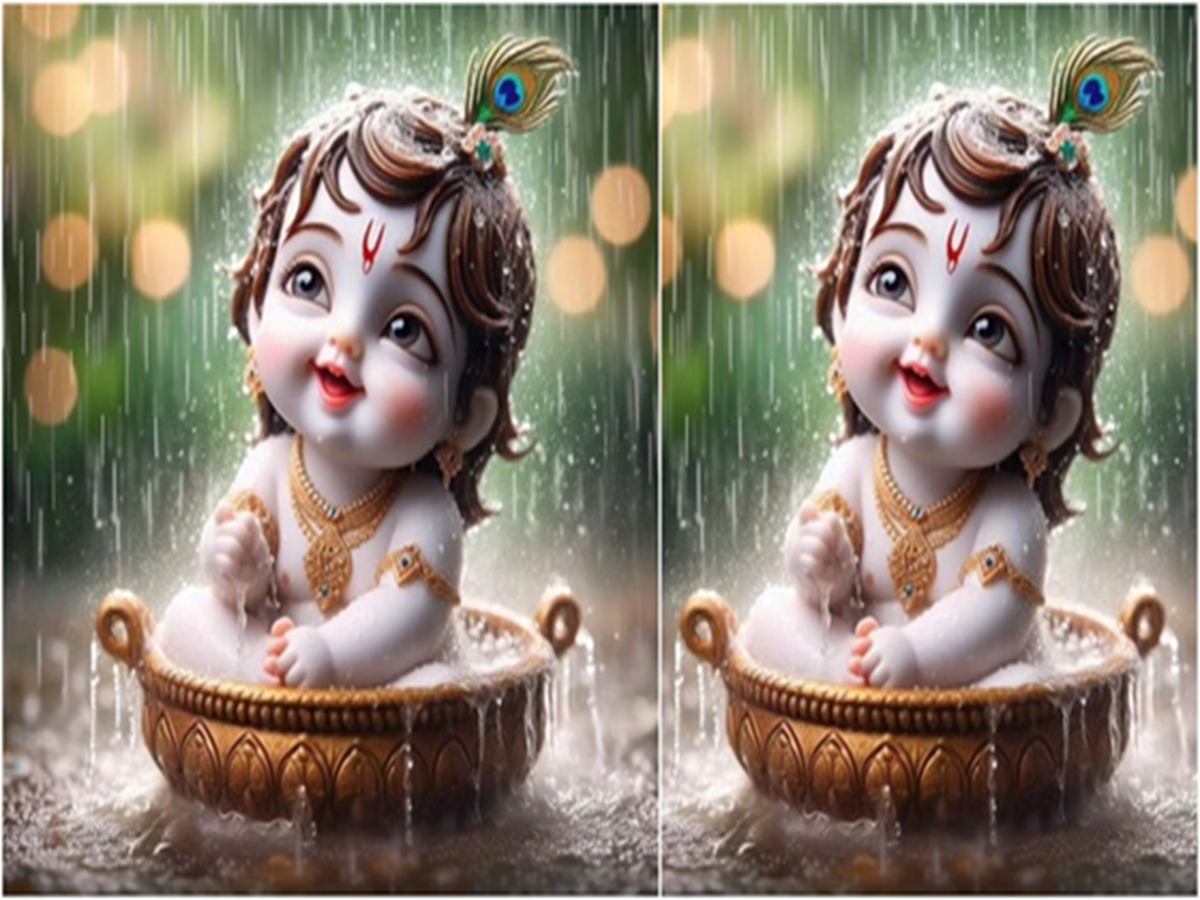
At the auspicious moment of Lord Krishna's birth—precisely at midnight—bathe the idol of *Bal Gopal* (infant Krishna) with *Panchamrit* (a mixture of milk, curd, honey, ghee, and pure water).
After the *Panchamrit* bath, bathe the deity again with pure water and adorn Him with new clothes and ornaments.
After the bath, blow the conch shell and ring bells and gongs to fill the atmosphere with devotion and divinity; this dispels negative energy.
With devotion, chant Vedic mantras, hymns praising Lord Krishna, and the mantra "Om Namo Bhagavate Vasudevaya."
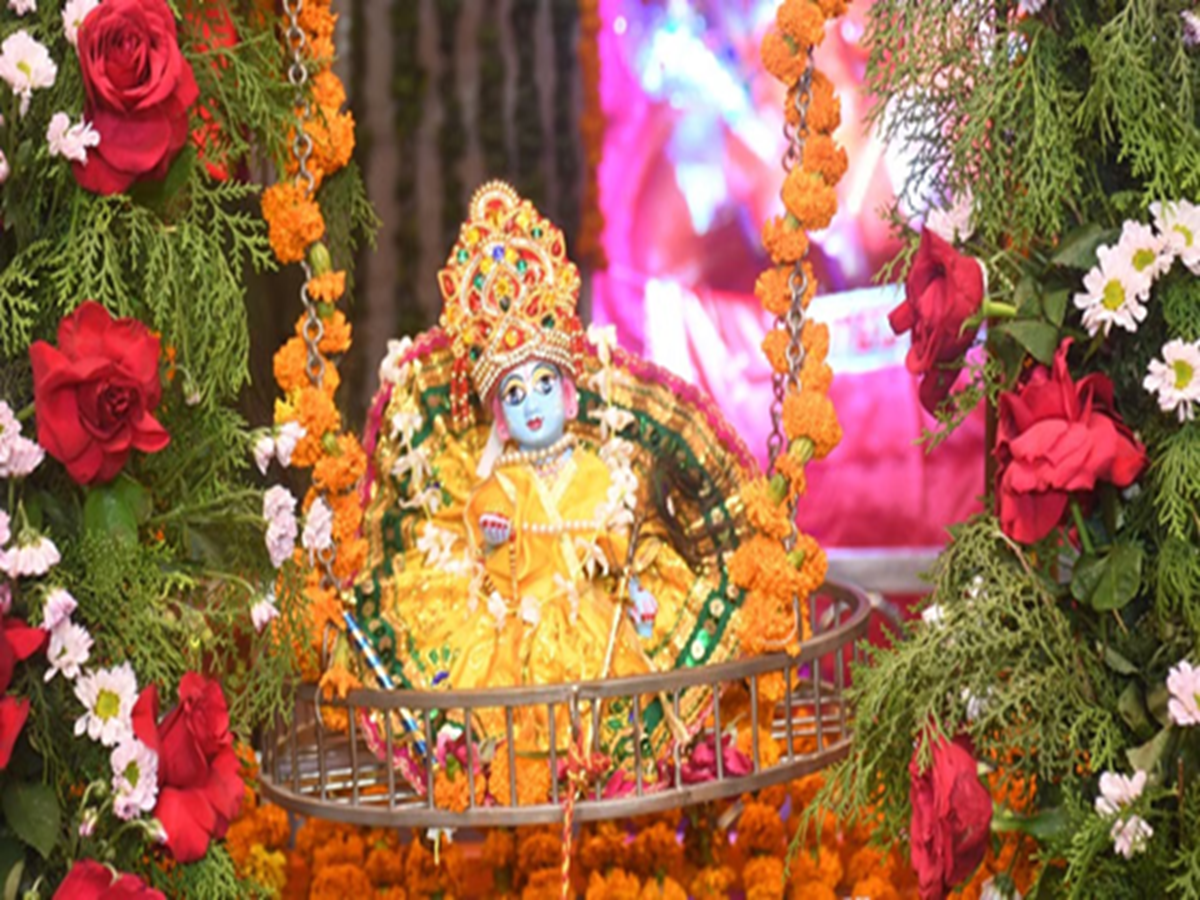
Gently rock the idol of *Bal Gopal* in a swing and perform *Aarti*.
Offer *Makhan-Mishri* (butter and rock sugar), *Dhaniya Panjiri* (coriander-based offering), and other delicacies to Lord Krishna, as *Makhan-Mishri* is considered His favorite.
Finally, perform *Aarti* while seeking forgiveness from the Lord, and distribute the *Prasad* (sanctified food) among family members and other devotees.
Devotees should observe the fast, perform worship following these sacred rituals with devotion, and break the fast (*Paran*) the next day at the auspicious time.
**Rules for the Janmashtami Fast**
On the day of the fast, bathe in the morning, wear clean clothes, and take a solemn vow (*Sankalp*) to observe the fast before Lord Krishna.
Observe the fast throughout the day by consuming only fruits (*Phalahar*) or by abstaining from even water (*Nirjal*), depending on one's physical capacity and family traditions.
Spend the day singing *Bhajans* and *Kirtans* (devotional songs) dedicated to Lord Krishna, chanting mantras, and listening to the *Shrimad Bhagavat Katha* (narratives of the Lord's life).
Break the fast only after performing the prescribed worship rituals during *Nishita Kaal* (the auspicious midnight period).
During the fast, refrain from anger, arguments, and *Tamasic* (impure or lethargic) thoughts, and maintain a *Sattvic* (pure and serene) state of mind.
PC Social Media