LIFESTYLE
Knee pain at a young age? Learn from a doctor how to prevent bones from weakening after 40..
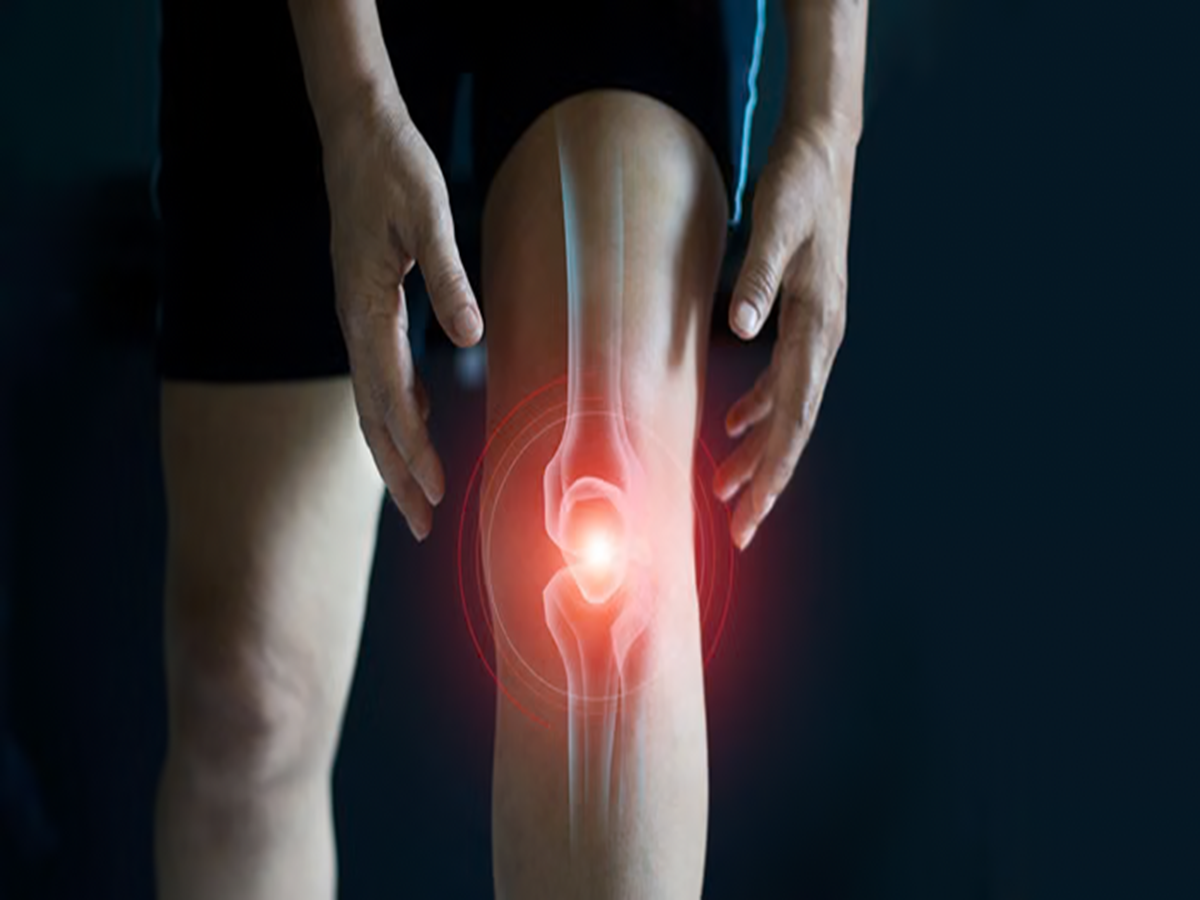
Nowadays, knee pain is no longer a problem exclusive to the elderly; younger individuals and those in their 30s and 40s are increasingly falling prey to it. Poor lifestyle choices, prolonged periods of sitting, weight gain, deficiencies in Vitamin D and calcium, and metabolic disorders are the primary contributing factors. Furthermore, the risk of osteoporosis—which causes bones to weaken—increases after the age of 40.
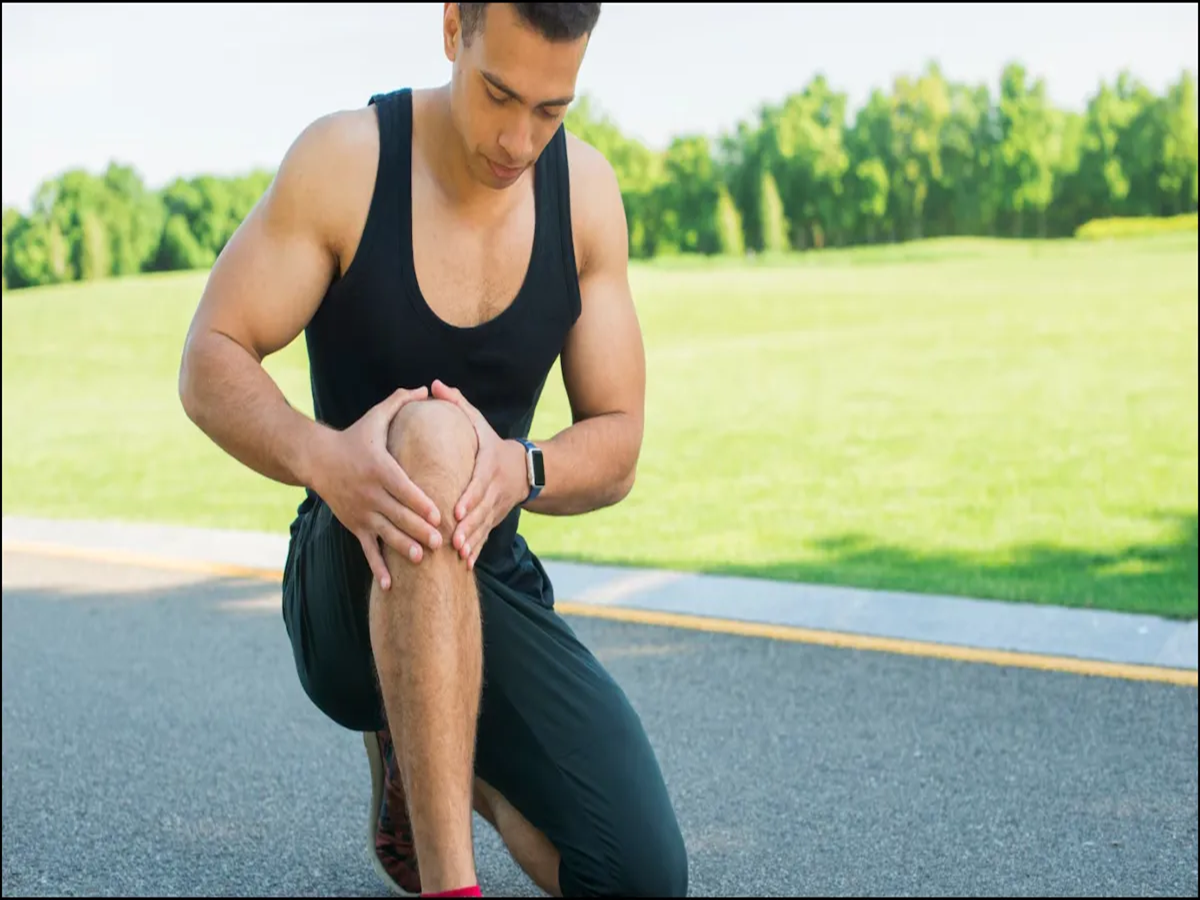
Dr. Nilabh, a renowned orthopedic surgeon and knee and hip replacement specialist in Delhi, explains that maintaining a healthy diet, engaging in regular exercise, managing body weight, and undergoing periodic bone health check-ups can help keep knees and bones healthy for the long term. Let us explore the causes of knee pain at a younger age, the risks associated with osteoporosis, and essential measures to keep joints strong well into one's 60s.
Why is knee pain on the rise among younger people?
Knee pain is no longer confined to any specific age group. It can be categorized into two primary age brackets:
20 to 25 years: In this age group, factors such as calcium and Vitamin D deficiencies, prolonged sitting, a lack of physical activity, or sudden, intense exercise can lead to knee pain.
30 to 40 years: During this phase, weight gain, metabolic issues, diabetes, gout, thyroid-related problems, and nutritional deficiencies can negatively impact knee health.
Key causes of knee problems in young people:
Spending long hours sitting in front of a laptop, mobile phone, or television.
Weakening of the muscles that support the knee joints.
Engaging in running without proper preparation or over-exercising at the gym.
Conditions such as "runner’s knee" and chondromalacia patellae.
Injuries to the ACL, MCL, or meniscus sustained during sports activities. Excess pressure on the knees due to flat feet and improper foot alignment.
5 ways to keep your knees strong up to the age of 60:
Maintain a healthy weight: Excess weight increases pressure on the knees.
Get your bone health checked: Have your calcium and vitamin D levels tested as needed.
Engage in low-impact exercises: Incorporate activities like walking, cycling, and swimming.
Strengthen your muscles: Perform exercises such as chair squats, hamstring curls, and quadriceps-strengthening movements.
Wear the right footwear: Use comfortable shoes that provide proper support.
The risk of osteoporosis after the age of 40
Osteoporosis is a condition in which bone density decreases, increasing the risk of fractures. In women, the risk may rise after menopause; however, both men and women can be affected as they age.
Key risk factors include:
Menopause and aging.
Diabetes and thyroid-related issues.
Prolonged lack of physical activity.
Long-term use of certain medications.
Smoking and excessive alcohol consumption.
Deficiency of calcium and vitamin D.
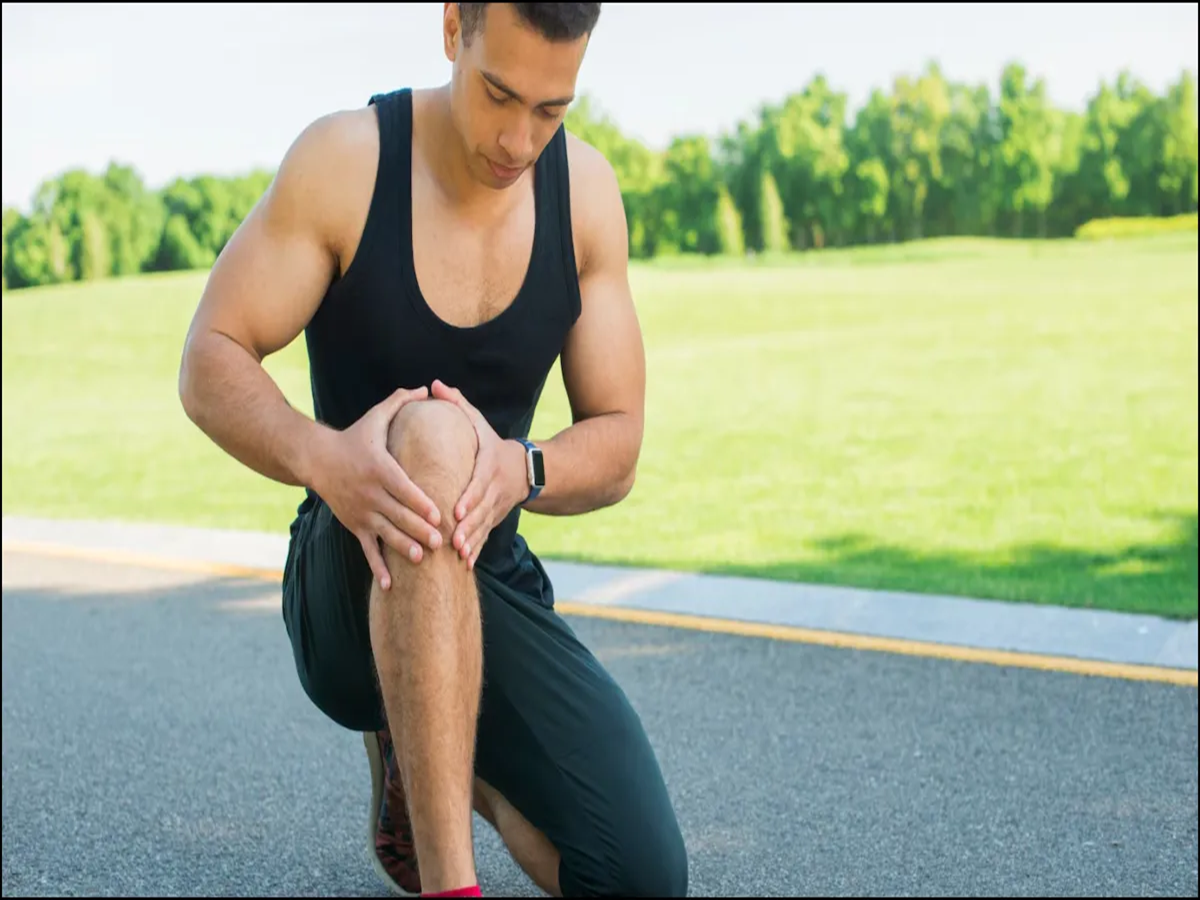
Ways to keep bones healthy after 40:
Walk daily and engage in regular exercise.
Maintain a balanced diet and keep your weight under control.
Get your vitamin D and calcium levels checked under medical guidance.
Undergo a DEXA bone densitometry test if necessary.
If diagnosed with osteoporosis, take appropriate medication as prescribed by your doctor.
Quit smoking and avoid alcohol consumption.
PC Social Media