
LIFESTYLE
Kids' Health: Is it right or wrong to give almonds to children in summer? Learn the healthy way to eat them..
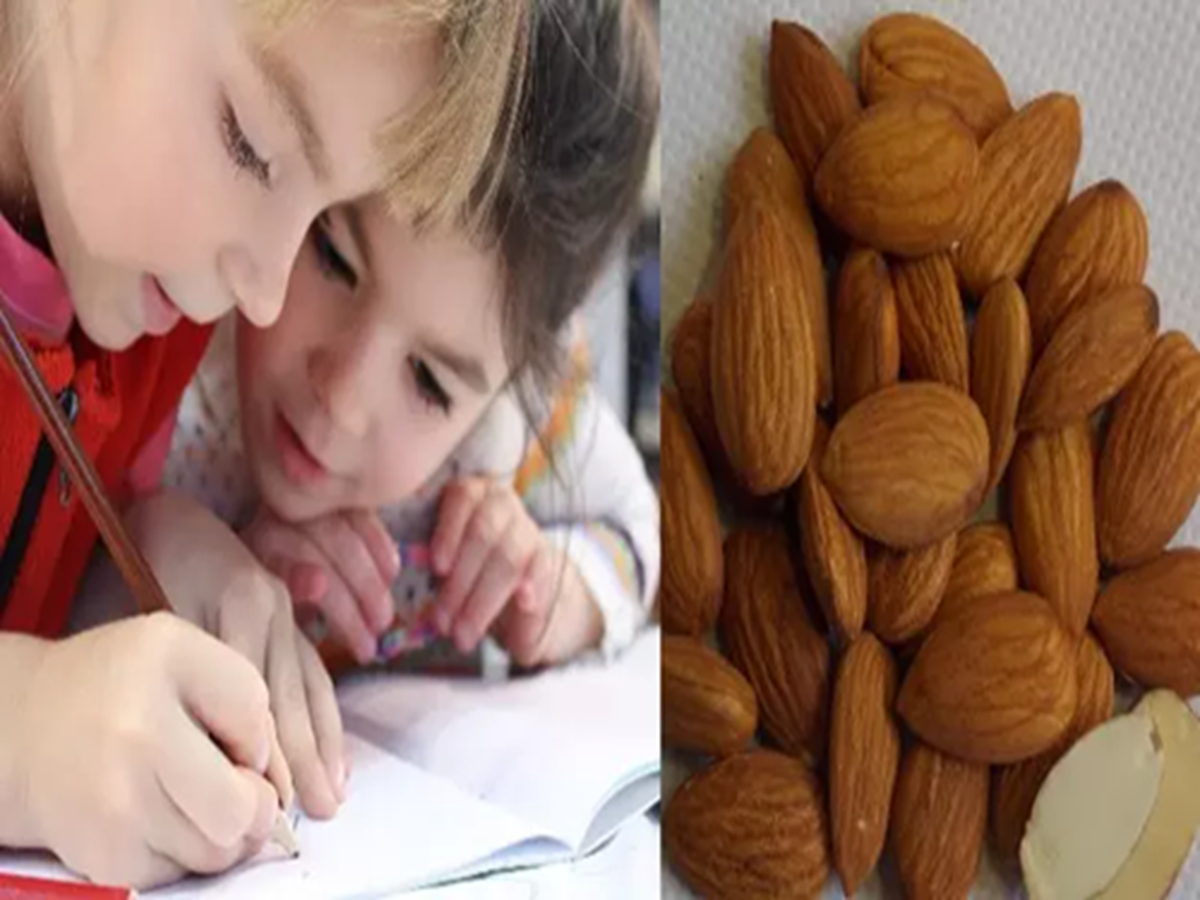
Almonds are considered a powerhouse of nutrients. They contain protein, fiber, healthy fats, Vitamin E, magnesium, and various essential minerals that aid in children's physical and mental development. However, during the summer season, many parents wonder whether it is appropriate to feed almonds to children or if doing so might increase body heat. Let’s understand the facts.
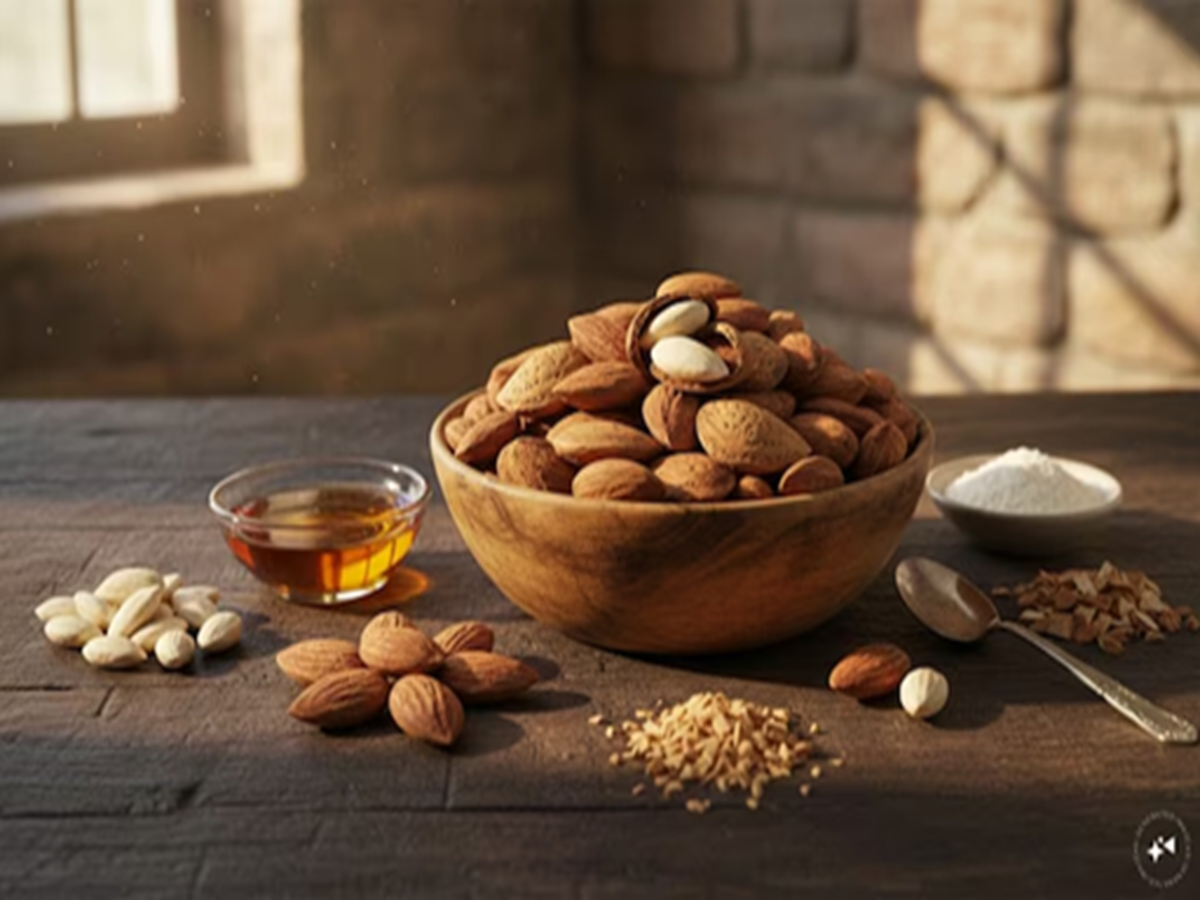
Should children be given almonds in summer?
According to experts, it is completely safe to give almonds to children during the summer. Almonds are not a food item that needs to be completely stopped based on the season; they can be consumed year-round. However, the quantity and method of consumption should be adjusted slightly according to the season.
The nutrients found in almonds help boost children's memory, bone strength, immunity, and energy levels. Therefore, they can be part of the diet even in summer—provided they are given in the right quantity and the correct manner.
Benefits of almonds for children
1. Aids in brain development
Almonds contain nutrients like Vitamin E and omega fatty acids, which can help improve children's memory and concentration.
2. Strengthens immunity
The risk of infections and dehydration increases during summer. The antioxidants present in almonds help strengthen the body's immune system.
3. Strengthens bones
They contain elements like calcium, magnesium, and phosphorus, which are essential for the development of children's bones and teeth.
4. Source of abundant energy
Children stay busy with play and other activities throughout the day. Almonds can help provide them with sustained energy.
A healthy way to feed almonds in summer
Soak overnight before feeding
In summer, instead of giving dry almonds, it is considered better to soak them in water overnight and peel off the skin before feeding them to children. This makes the almonds easier to digest and improves nutrient absorption. **Mix into almond shakes or smoothies**
If a child does not eat almonds directly, you can mix them into milk, yogurt, or smoothies made with bananas or other fruits.
**Use almond powder**
For young children, grind almonds into a powder and mix it into milk, porridge (daliya), khichdi, or oats.
**Serve in moderation**
Consuming excessive amounts of any dry fruit is not considered advisable. Generally, 4 to 8 almonds per day are considered sufficient for children aged 3 to 10 years. The quantity can be adjusted based on age and specific needs.
**What should you keep in mind?**
If the child has a nut allergy, do not give them almonds without consulting a doctor.
Feeding too many almonds can lead to digestive issues.
Ensure the child consumes adequate water and fluids along with almonds during the summer.
It is safer to give crushed or ground almonds to young children rather than whole ones.
PC Social Media