LIFESTYLE
Kartik Maas 2026: The month of Kartik begins—be sure to perform these 5 tasks to receive the blessings of Lord Vishnu..
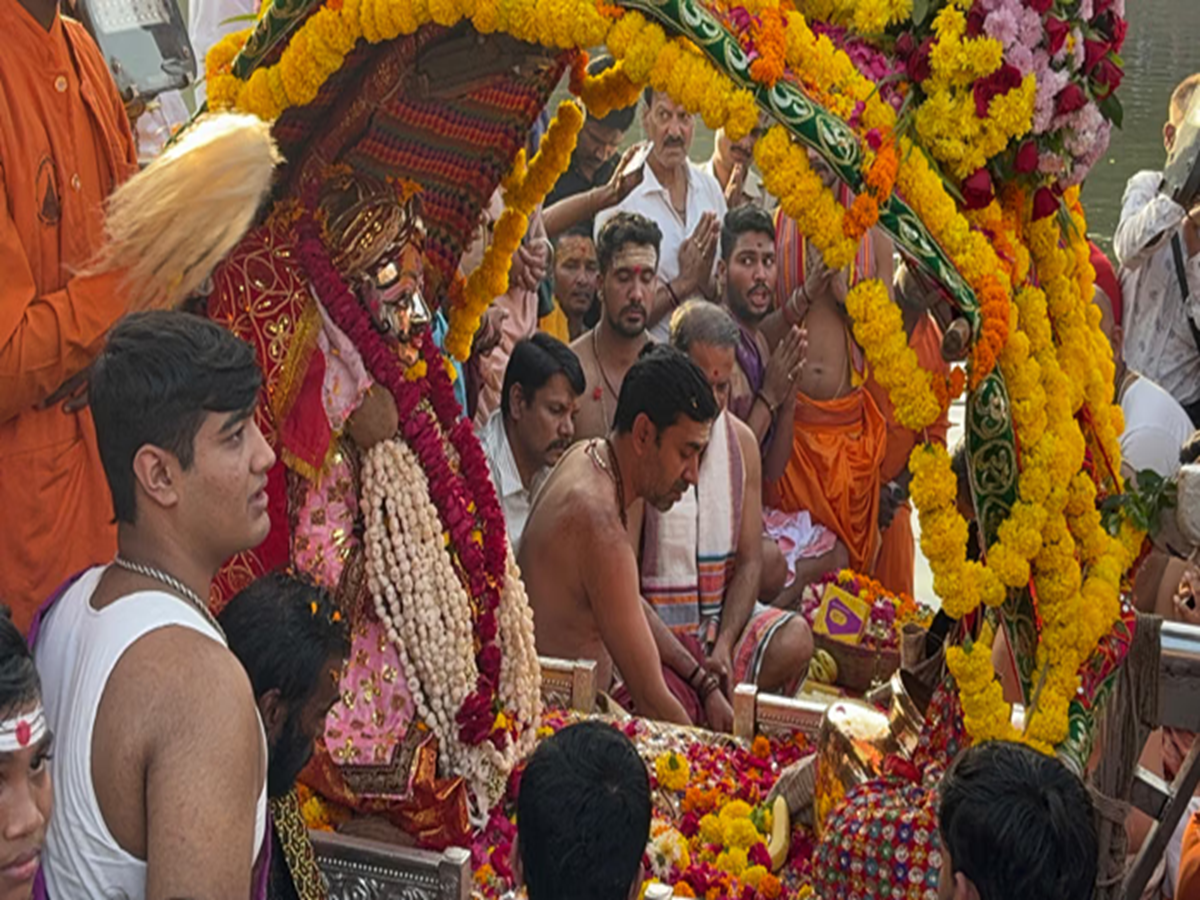
Kartik Maas 2026: The month of Kartik begins today, October 27, 2026. In Hinduism, the month of Kartik is considered highly sacred for worship, ritual bathing, charity, and the offering of lamps (*deepdaan*). This month, which is particularly significant for the worship of Lord Vishnu and Goddess Lakshmi, places great emphasis on the veneration of the Tulsi plant, the offering of lamps, and providing assistance to those in need.

According to religious beliefs, performing acts of worship with devotion and engaging in virtuous deeds during this period brings spiritual merit (*punya*). Let us explore the auspicious activities one should undertake during the month of Kartik to receive the blessings of Lord Vishnu, as well as the important points to keep in mind.
What is the duration of Kartik Maas 2026?
The month of Kartik holds a special place in the Hindu calendar (*panchang*). However, the start and end dates may vary depending on the specific calendar tradition being followed, as the calculation of months differs between the *Amanta* (ending on a new moon) and *Purnimanta* (ending on a full moon) systems. According to the provided calendar information, the month of Kartik begins on Tuesday, October 27, 2026, and concludes on Tuesday, November 24, 2026, coinciding with Kartik Purnima. Devotees who observe fasts and perform rituals should verify these dates against the calendar tradition followed in their respective regions.
5 Practices to Seek the Blessings of Lord Vishnu During Kartik Maas
There is a long-standing tradition of bathing during *Brahma Muhurta*—the period before sunrise—throughout the month of Kartik. According to religious beliefs, it is considered auspicious to bathe in the morning, wear clean clothes, remember the Divine, and begin the day with prayers. Some devotees bathe in sacred rivers or holy lakes during this month; however, if this is not possible, one can bathe at home and perform worship with sincere devotion. While bathing, please be mindful of your health and the prevailing weather conditions.
The month of Kartik is considered especially significant for the worship of Lord Vishnu. During this time, one may offer prayers to Lord Vishnu by lighting a lamp before Him, either in the morning or in the evening. Reciting the Vishnu Sahasranama, Vishnu Chalisa, or other hymns—according to one’s personal devotion—is a part of religious tradition. Chanting mantras dedicated to Lord Vishnu and participating in *bhajan-kirtan* (devotional singing) can bring peace of mind. During worship, offer fruits, flowers, and other ritual items according to your capacity.
The worship of the Tulsi plant holds special significance during the month of Kartik. According to religious belief, the Tulsi plant is dear to Lord Vishnu. During this month, caring for the Tulsi plant, maintaining cleanliness around it, and lighting a lamp in the evening is considered auspicious. When lighting a lamp near the Tulsi plant, ensure safety by placing it in a spot where there is no risk of fire. Many families incorporate the worship of Tulsi into their daily religious routine.
*Deepdaan* (the offering of lamps) is a prominent religious tradition during the month of Kartik. Devotees light lamps in their home shrines, near the Tulsi plant, and at the entrance of their homes. In many places, lamps are also lit around temples and near sacred water bodies. In religious tradition, the lamp symbolizes the victory of light over darkness and represents positivity. You may light one or more lamps daily, according to your convenience; rather than adhering to a specific, mandatory number, follow your own devotion and family traditions.
Acts of charity (*daan-punya*) are also considered highly significant during the month of Kartik. Providing food to those in need, assisting impoverished families, and donating clothing or other useful items are considered virtuous deeds. When giving, be mindful of your own financial circumstances. Feeding the hungry, helping the elderly, or supporting the education of children in need are also excellent forms of service. Religious traditions place great value on assistance offered with a selfless spirit.
What should be avoided during the month of Kartik?
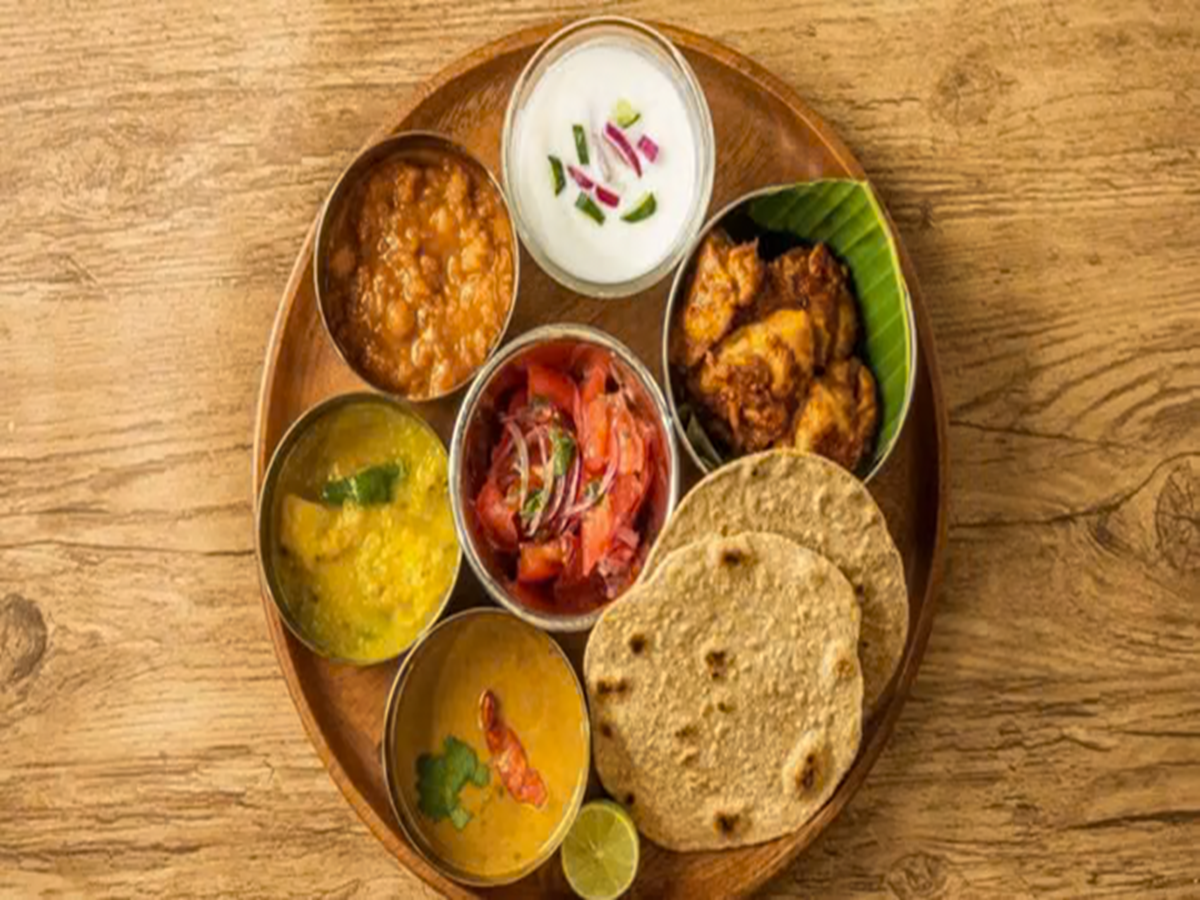
Abstaining from *tamasic* (impure/heavy) food: Many devotees refrain from consuming non-vegetarian food, alcohol, and other *tamasic* substances. Some families also avoid the use of onions and garlic. Avoid anger and conflict: This month emphasizes maintaining a calm demeanor, avoiding quarrels, and showing respect toward others.
Refrain from lying and disrespectful behavior: According to religious beliefs, speaking the truth and practicing humility are essential components of a spiritual life.
Do not engage in ostentation while giving charity: The purpose of charity is to help those in need; therefore, give according to your capacity and without any external pressure.
Do not harbor unnecessary fear regarding worship: Follow religious observances with devotion and understanding. Traditions may vary across different families and regions.
What is the religious significance of the month of Kartik?
In Hinduism, the month of Kartik is considered highly significant for the worship of Lord Vishnu, the care of the sacred Tulsi plant, ritual bathing, chanting (japa), and the offering of lamps (deepdaan). Religious texts, through the 'Kartik Mahatmya' (the glory of Kartik), describe the rituals and conduct to be observed during this month. Festivals such as Devutthana Ekadashi and Kartik Purnima are celebrated with great devotion during this period. Many devotees take vows to engage in regular worship, fasting, and acts of service.
However, the specific methods of worship and the rules for fasting may vary according to local traditions. The significance of the month of Kartik extends beyond mere religious rituals; it also conveys a message of self-restraint, virtuous conduct, service, and sensitivity toward those in need. Incorporating good deeds into one's daily routine and fulfilling responsibilities toward one's family and society are also integral parts of these values.
PC Social Media