Parenting
Is the discipline being imposed on children too harsh? These 4 signs of strict parenting might surprise you..

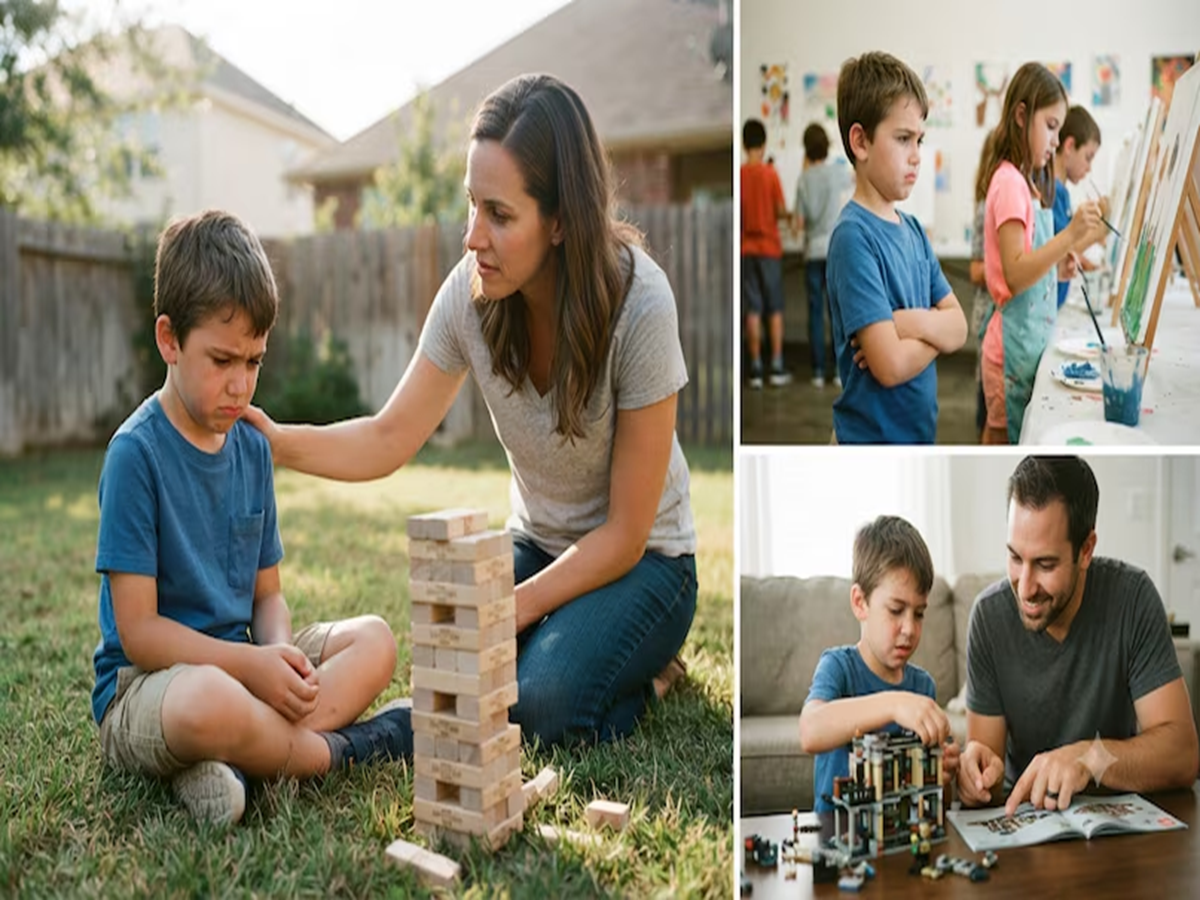
Strict parenting can impact children. According to parenting expert Vibha Sharma, children raised in an environment that is overly strict and controlling may exhibit certain behavioral changes. In 1960, psychologist Diana Baumrind studied various parenting styles; her work helps us understand how parental behavior can influence a child’s personality and social development. However, it is important to note that the impact may vary from child to child.

Difficulty in expressing oneself: When a home environment is defined by commands and accountability rather than open dialogue, a child may gradually become less inclined to express their thoughts freely. They may fear being scolded for expressing disagreement. Consequently, such children might struggle to clearly communicate their needs and emotions—whether to friends, teachers, or, later in life, in a professional workplace.
Good followers, but hesitant to make decisions: Children raised in a strict environment are often adept at following rules and instructions. While they may appear responsible at school or in their careers, they might feel uncomfortable when required to make independent decisions or take on a leadership role. Having received instructions at every step since childhood, they may lack confidence in their own judgment and feel a greater need for external validation.
Lack of emotional support: A fourth and highly critical aspect concerns emotional support. Beyond rules and discipline, a child needs the assurance that they can turn to their parents when facing difficulties. If a child finds no space at home to express their emotions, they may seek acceptance and emotional connection elsewhere as they grow older. While it would be inaccurate to label every such outcome as a "wrong path," emotional neglect can make a child more vulnerable to unhealthy relationships or negative influences.
Strict parenting can increase a child's fear of making mistakes. Often, in such an environment, a mistake is viewed as a major blunder rather than an opportunity to learn. Consequently, a child may avoid trying new things. The fear of getting low marks on exams, losing a competition, or failing at a task can negatively impact their self-confidence. A persistent fear of failure should not be taken lightly; if a child appears sad, withdrawn, or extremely anxious for an extended period, it is advisable to seek professional help.
Maintain discipline, but ensure open communication. It is important to distinguish between strictness and discipline. While setting rules and boundaries for children is appropriate, it is equally important to explain the reasoning behind them. For instance, if you wish to restrict late-night mobile phone use, instead of simply taking the phone away, you could discuss the impact on their sleep, studies, and screen time.

Good parenting is not about scolding a child for every mistake; rather, it involves providing them with the opportunity to learn from those mistakes. When children feel that their parents will listen to them, they are more likely to share their concerns instead of hiding them. Therefore, it is crucial to strike a balance between discipline, trust, open communication, and emotional security within the home.
PC Social Media