
LIFESTYLE
Iran's 'Pink Mosque' is a wonderful confluence of faith and art; with the first rays of the sun, heaven descends to the floor..
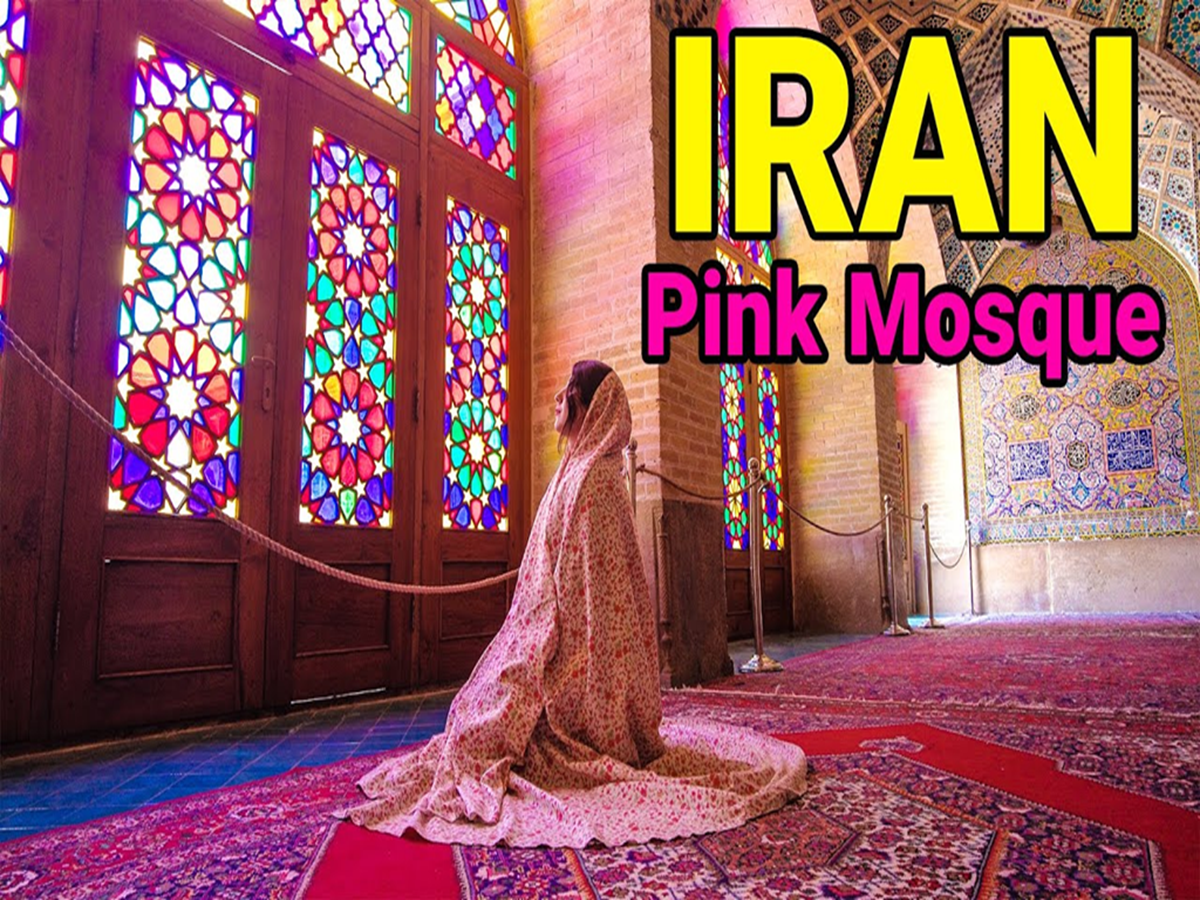
Have you ever seen sunlight create a painting on the floor? The Nasir al-Mulk Mosque in Shiraz, Iran, is one such place where architecture and nature combine to create magic. Known worldwide as the "Pink Mosque," this building is not just a place of worship but a unique example of Persian art. This mosque is not only a center of faith and devotion, but also a paradise for art lovers.
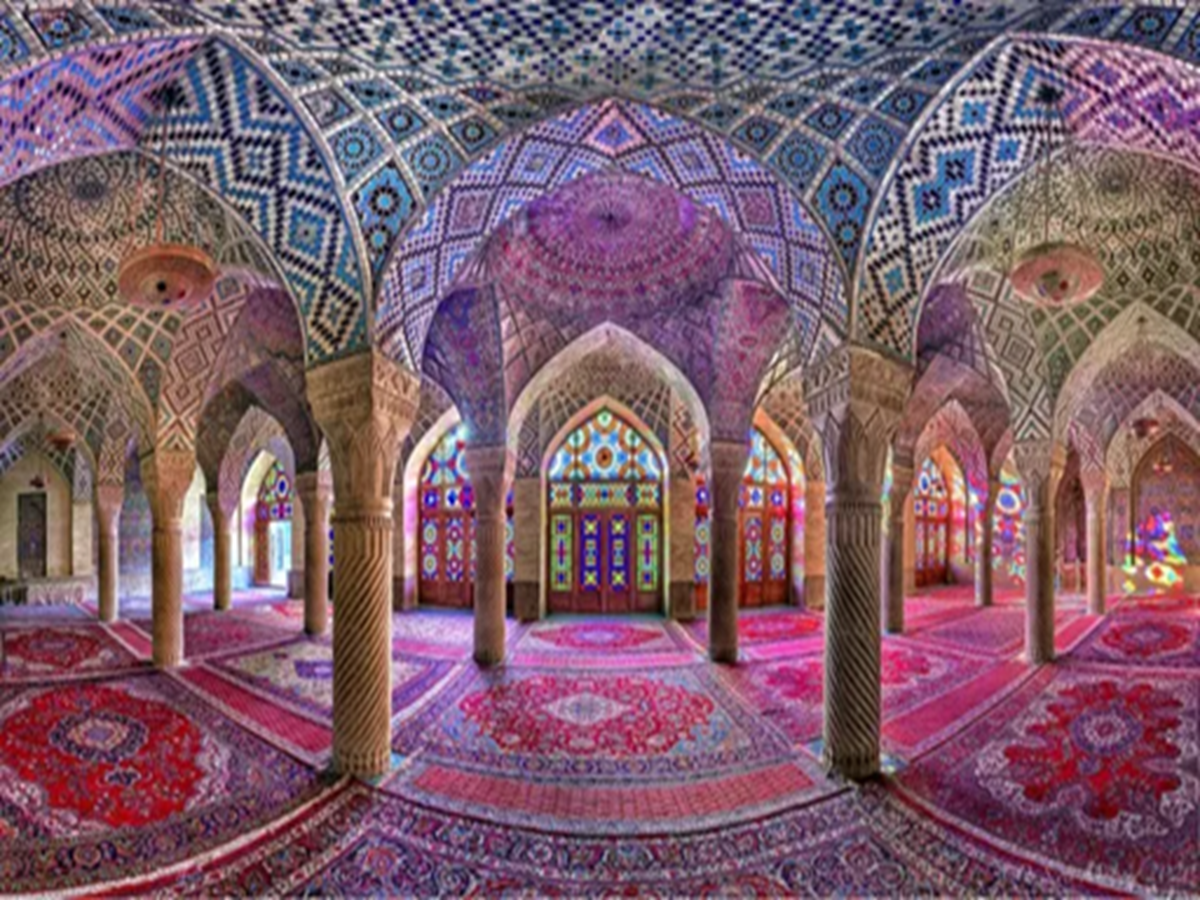
A Paradise-like View in the Morning
The mosque's most striking feature is its stained-glass windows. When the morning sun's rays filter through these stained-glass windows, a stunning play of colors is seen on the Persian carpets spread on the floor. This combination of light and color creates a vibrant and mesmerizing pattern. This sight makes the viewer feel transported to a different world.
Unique Architecture of the Qajar Dynasty
This historic mosque was built during the reign of the Qajar dynasty. It is called the "Pink Mosque" because of the extensive use of pink, blue, and yellow tiles, adorned with beautiful floral designs.
The main prayer hall inside the mosque sparkles with the harmonious combination of the tiles' vibrant colors and light. Furthermore, a poem is engraved on the marble stone at the mosque's entrance, conveying religious wisdom in the local language.
The History is Very Interesting
The foundation of this beautiful mosque was laid by Mirza Hasan Ali Nasir-ul-Mulk, the chief of Shiraz. He was the son of Ali Akbar Qawam-ul-Mulk, the governor of Shiraz. Construction of this mosque was completed between 1876 and 1888.
The courtyard of the mosque is serene and beautiful. A fountain sits in the center, and arched structures surround it, providing an atmosphere of peace and contemplation for visitors.
Shiraz's Historical Heritage
The Pink Mosque has now become a major tourist destination in Shiraz. Given its historical significance, it was added to Iran's National Heritage List in 1955. Currently, it is managed by Iran's Cultural Heritage, Handicrafts and Tourism Organization, while under the protection of the Nasir al-Mulk Endowment Foundation.
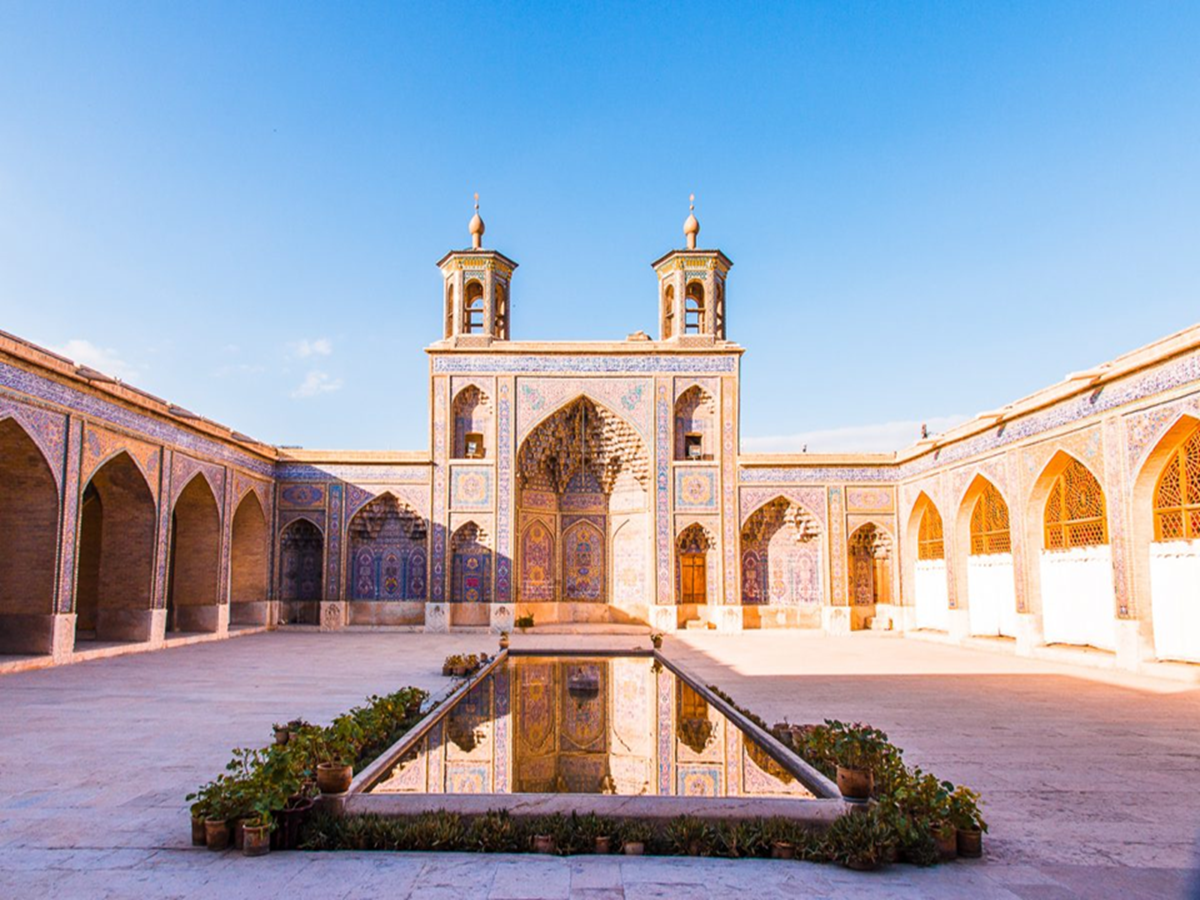
A Supernatural Example of Persian Architecture
This mosque displays a deep understanding of Persian architecture. Although stained glass is commonly used in churches, the earliest example was discovered in Syria in the 7th century. This blend of light and architecture in the Nasir al-Mulk Mosque creates a transcendental atmosphere that captivates everyone.
PC Social Media