
LIFESTYLE
Intermittent Fasting: An effective way to lose weight or a health risk? Discover the truth about intermittent fasting..
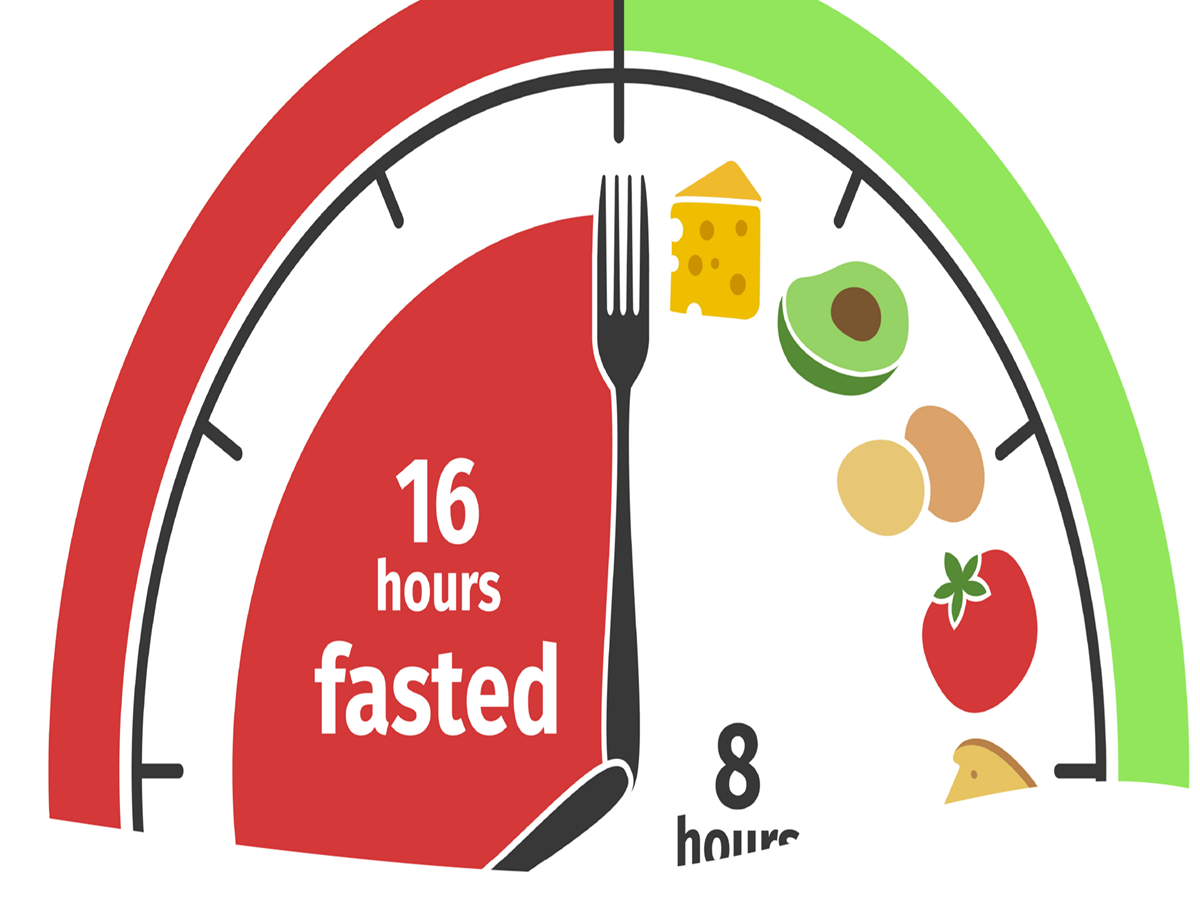
Intermittent Fasting: The trend of intermittent fasting for weight loss and staying fit is rapidly gaining popularity these days. Social media, fitness influencers, and many celebrities advocate it as part of a healthy lifestyle. Intermittent fasting is not a specific diet but rather an eating pattern that involves alternating between periods of eating and fasting.

It is claimed to help with weight loss, improving metabolism, controlling blood sugar levels, and enhancing heart health. However, this method is not equally beneficial for everyone. Some individuals may experience weakness, dizziness, nutritional deficiencies, or other health issues. Therefore, it is important to understand what intermittent fasting is, how it works, who it is safe for, and who should consult a doctor before adopting it.
What is Intermittent Fasting?
Intermittent fasting is an eating pattern that involves scheduling specific times for eating and fasting. It focuses less on *what* to eat and more on *when* to eat.
Popular Methods of Intermittent Fasting
What is the 16:8 Method?
The 16:8 method is considered the most popular and easiest form of intermittent fasting. It involves fasting for 16 hours out of the 24-hour day and eating during the remaining 8 hours. For example, if you have your first meal at 12:00 PM, you can have your last meal by 8:00 PM. After that, until 12:00 PM the next day, only water, unsweetened green tea, black coffee, or other calorie-free beverages are consumed.
What is the 5:2 Diet?
The 5:2 diet is a form of intermittent fasting where one eats a normal, balanced diet for five days of the week, while significantly restricting calorie intake on the remaining two days. Typically, on these two days, women are advised to limit their intake to around 500 calories and men to 600 calories. These two days do not need to be consecutive. For instance, you could consume a low-calorie diet on Mondays and Thursdays while following your normal diet on the other days.
Potential benefits of intermittent fasting
Limiting the time window for eating can reduce total calorie intake, thereby aiding in weight loss.
Some studies suggest that intermittent fasting can improve insulin sensitivity, which helps in controlling blood sugar levels.
It may help reduce risk factors such as high cholesterol, high blood pressure, and inflammation.
Some research indicates that time-restricted fasting can boost the body's fat-burning process.
Fasting can trigger a process called autophagy, in which the body clears out old and damaged cells.
Is intermittent fasting completely safe?
The answer is not the same for everyone. It may be beneficial for some people, but not for all.
Who should exercise caution?
Pregnant and breastfeeding women
Patients with Type-1 diabetes
People prone to frequent low blood sugar episodes
Children and adolescents under the age of 18
Elderly individuals with high nutritional needs
People struggling with eating disorders
Patients with serious illnesses or those on long-term medication

Potential downsides of intermittent fasting
Hunger and irritability
Headaches and weakness
Dizziness
Fatigue
Nutritional deficiencies
Tendency to overeat
Muscle loss
PC Social Media