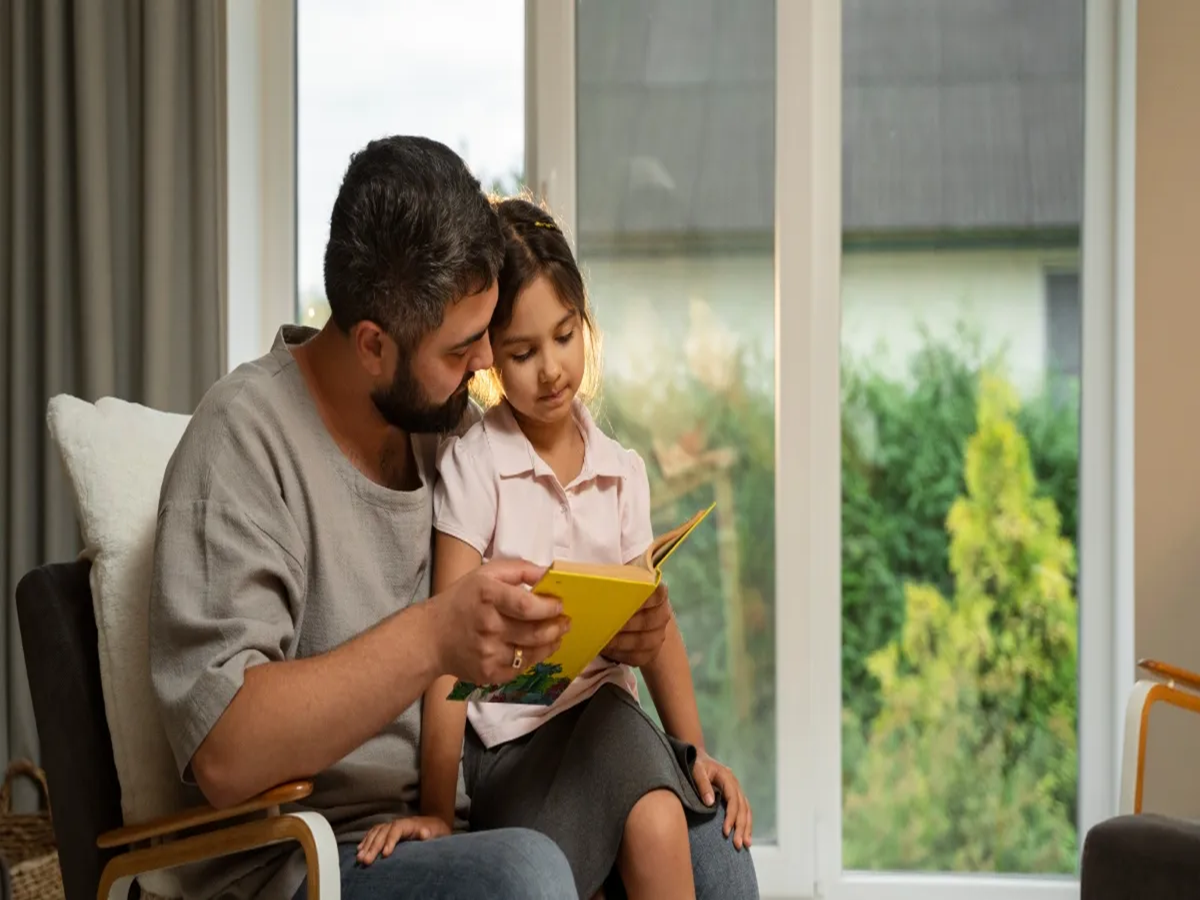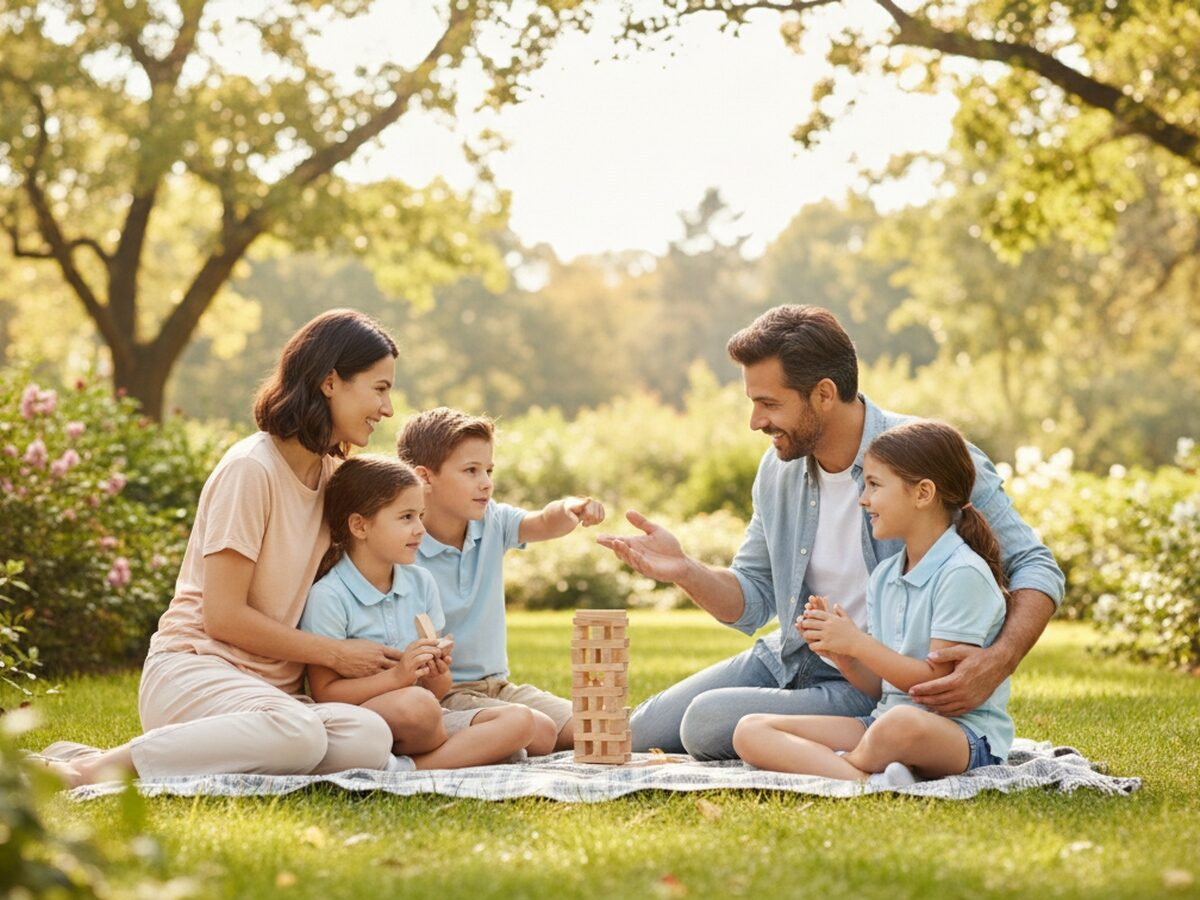

The Constitution of India is not merely a legal document; it is the cornerstone of the nation's democratic values, rights, and civic responsibilities. Introducing children to the Constitution and civic duties at an early age is a significant step toward shaping them into responsible, sensitive, and aware citizens. Occasions such as Independence Day, Republic Day, or special school events offer excellent opportunities for parents and teachers to initiate conversations on these topics using simple language.

Since the complex legal language of the Constitution can be difficult for children to grasp, it is more effective to explain concepts through examples from everyday life, stories, and small, relatable experiences. Practices such as following household rules, keeping public spaces clean, respecting others, and protecting the environment can serve as foundational lessons in civic responsibility.
When children understand that duties are just as important as rights, they develop a sense of discipline, tolerance, and social responsibility. Here are five simple yet effective ways to explain the Constitution and civic duties to children in an engaging manner.
**Explain the Constitution using everyday examples**
Tell children that just as there are rules at home, school, and on the playground to ensure everyone stays safe and happy, there is a framework of rules for the entire country known as the Constitution. Explain that the Constitution protects citizens' rights and fosters a spirit of equality for all.
**Share stories and anecdotes about freedom fighters**
Children grasp concepts more quickly through stories. By sharing inspiring anecdotes about the freedom movement, the drafting of the Constitution, and the nation's great leaders, one can teach them the importance of democracy, equality, and responsibility. This also helps clarify the connection between history and citizenship.
**Link civic duties to daily habits**
Teach children that maintaining cleanliness in public spaces, obeying traffic rules, planting trees, conserving water, respecting all religions and cultures, and honoring national symbols are hallmarks of a good citizen. When these concepts are integrated into daily practice, children adopt them easily.
Make learning fun through games, quizzes, and activities.
Activities such as quizzes, poster competitions, role-plays, drawing sessions, or group discussions focused on the Constitution and civic duties help spark children's interest. Events organized on occasions like Independence Day or Republic Day offer children opportunities to learn while actively participating.
Relationships
Parents and teachers should lead by example.
Children learn most from what they observe around them. If adults follow rules, respect public property, remain polite towards others, and behave responsibly, children are far more likely to adopt these same values. Positive behavior can serve as the most effective form of education.

Points to remember when teaching children about the Constitution:
Use simple, age-appropriate language.
Discuss duties alongside rights.
Encourage children to ask questions.
Turn national festivals into learning opportunities.
Emphasize practical examples and positive habits.
Explain topics through dialogue rather than through fear or pressure.
PC Social Media