LIFESTYLE
If there is no son, can a daughter perform *Shraddh* and *Pind Daan*? Learn the rules for *Pitru Paksha*..
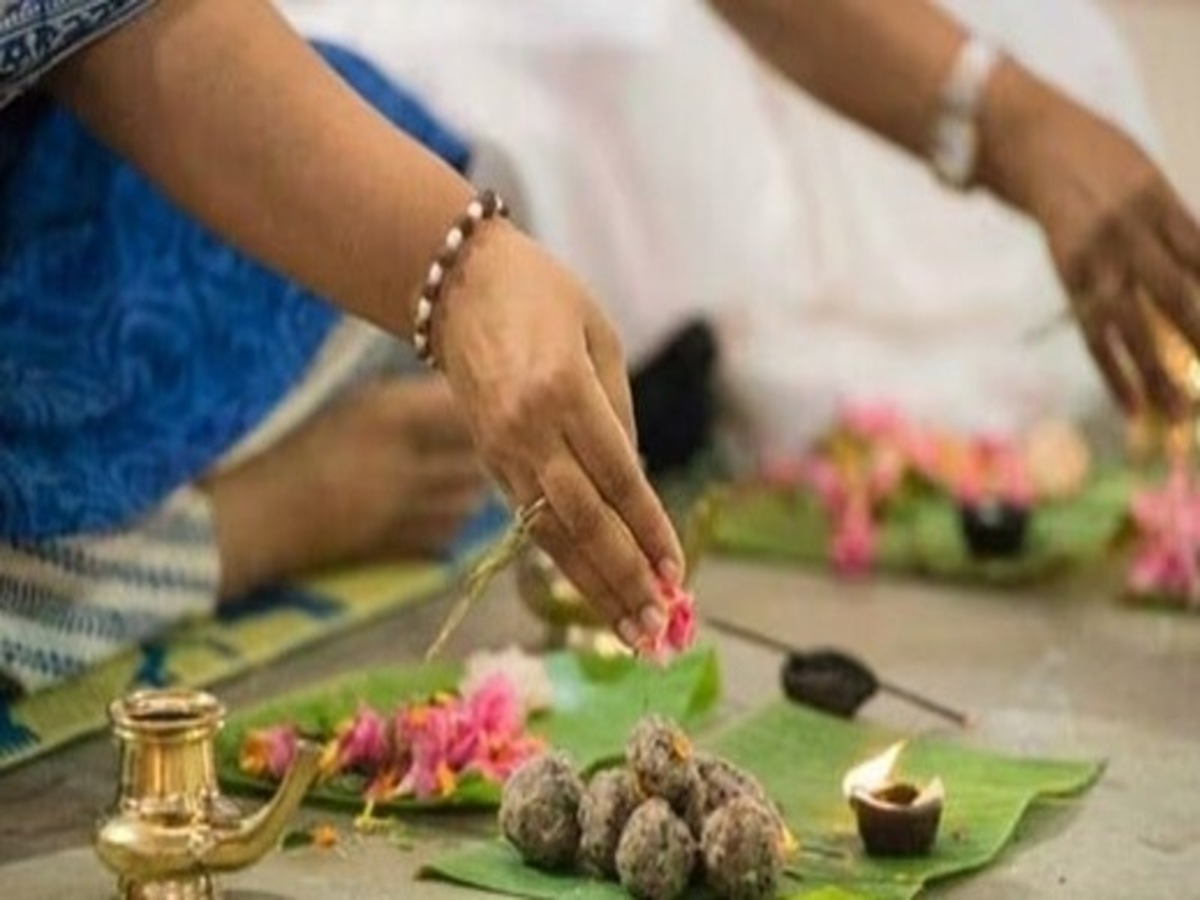
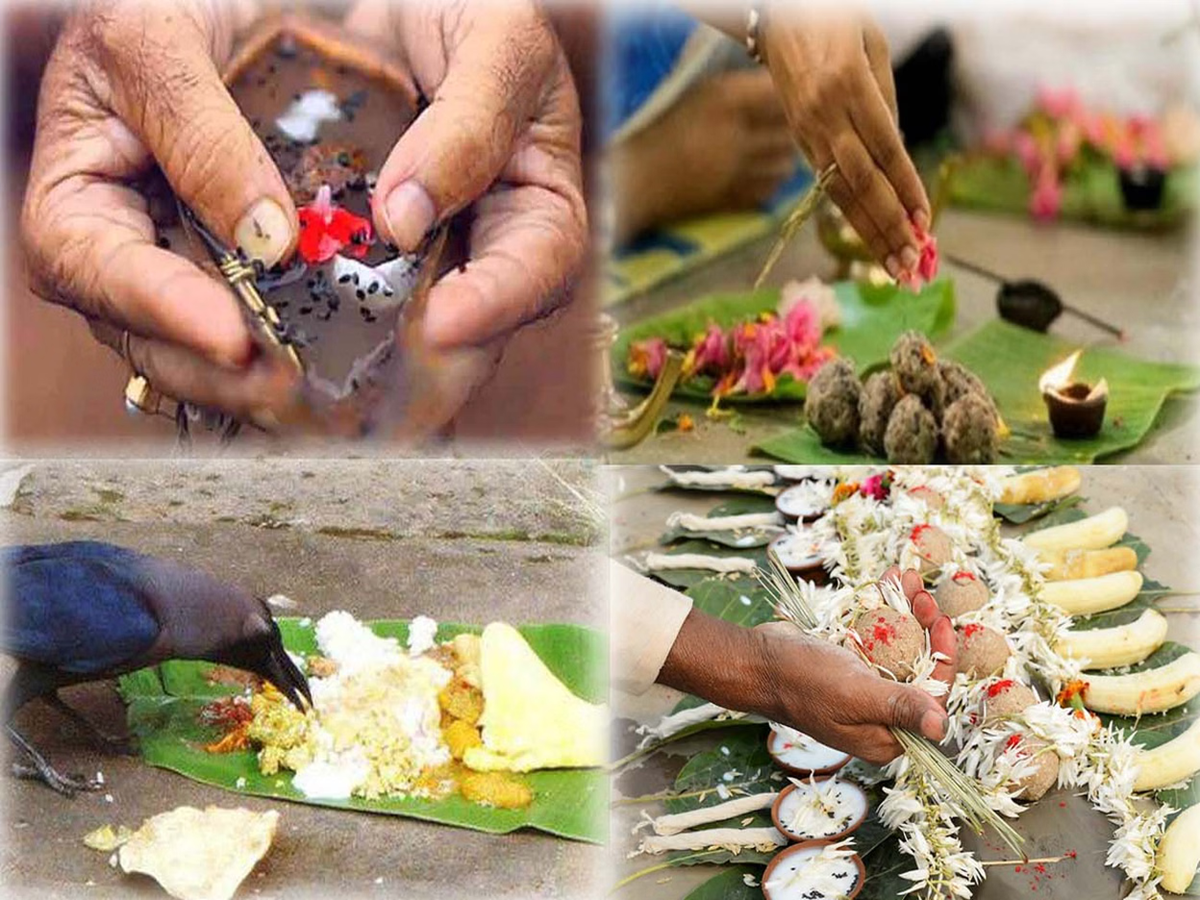
Pitru Paksha holds special significance in Hinduism. It is a time dedicated to remembering one's ancestors, expressing reverence towards them, and performing rituals such as *Shraddha*, *Tarpan*, and *Pind Daan* for the peace of their souls. During this period, people commemorate their deceased parents, grandparents, and other ancestors through prescribed rituals. Religious belief holds that performing *Shraddha* rites during Pitru Paksha demonstrates respect and gratitude towards one's ancestors. This year, Pitru Paksha begins on September 27 and continues until October 10. As the period approaches, people are busy making preparations for these ancestral rites. However, a question arises in the minds of many families: in households where there is no son and only daughters, who will perform the *Shraddha* and *Pind Daan* for the ancestors?
What do the astrologers of Deoghar say?
Pandit Nandkishore Mudgal, a renowned astrologer from the Mudgal Jyotish Kendra at the Pagal Baba Ashram in Deoghar, spoke to a 'Local 18' correspondent. He stated that Pitru Paksha begins on September 27 and lasts until October 10, a period entirely dedicated to the ancestors. He emphasized that if a family lacks a son, there is no need for concern; according to religious beliefs, a daughter can also perform *Shraddha*, *Tarpan*, and *Pind Daan* for her ancestors.
Religious traditions and mythological tales associated with the *Garuda Purana* recount the instance where Mother Sita performed *Pind Daan* for her father-in-law, King Dasharatha. Based on this precedent, it is accepted that women can perform ancestral rites under specific circumstances. If an ancestor has no son, their daughter's son (grandson/daughter's son) can perform the *Pind Daan*; if such a grandson is also unavailable, the daughter herself can perform the *Shraddha* and *Pind Daan* for her ancestors. The most important element is the spirit of reverence and respect. However, since ritualistic procedures may vary across different lineages and regions, it is advisable to seek guidance on the specific rituals from a qualified *Acharya* or priest in accordance with local traditions.
Ancestors are Pleased by Rituals Performed with Devotion
Those who observe the religious traditions associated with *Pitru Paksha* believe that *Shraddh* is not merely a ritual but an opportunity to express respect and gratitude towards one's ancestors. During this period, family members remember their forebears and offer food that the ancestors enjoyed during their lifetime. Many households also observe traditions such as feeding Brahmins, performing acts of charity, and providing meals to the needy. It is believed that rituals performed with devotion please the ancestors, ensuring their continued blessings upon the family. However, individuals observe these religious customs according to their personal faith and family traditions.
*Tarpan* Can Be Performed on This Day for Those Whose Death Date is Unknown
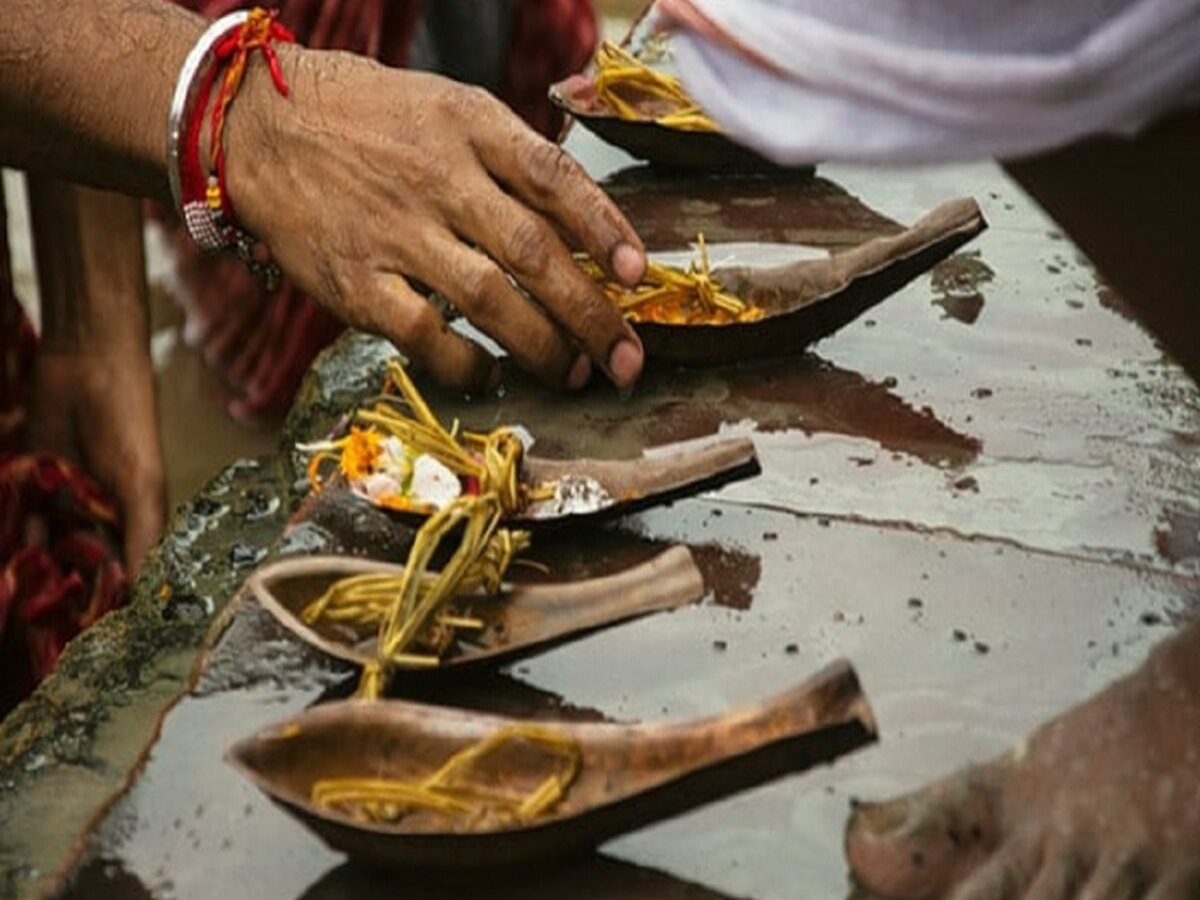
While families usually perform *Shraddh* on the specific date of an ancestor's passing, there is a common practice—followed by many—of performing the ritual on *Sarvapitra Amavasya* for ancestors whose date of death is unknown or for whom the ritual could not be performed on the designated day for some reason. This year, *Sarvapitra Amavasya* falls on October 10. Families who have any uncertainty regarding these ancestral rituals can consult their local priest or *Acharya* in advance to determine the correct date and procedure based on the *Panchang* (almanac) and their specific family traditions.
PC Social Media