LIFESTYLE
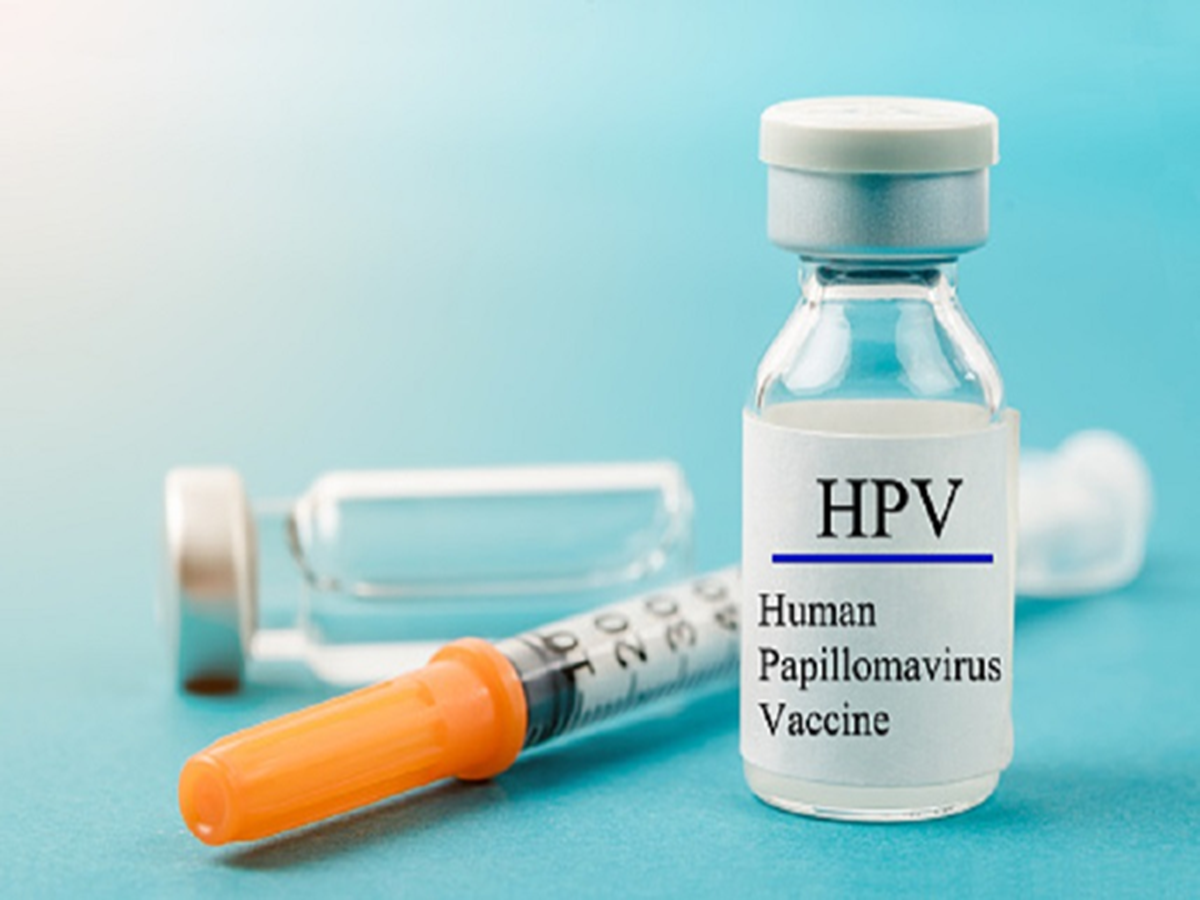
HPV Vaccine: What is the HPV vaccine? Which diseases is it effective in preventing, and who should get it?

HPV Vaccine Myths vs. Facts: Cervical cancer is a deadly form of cancer affecting women, claiming the lives of hundreds of thousands of females every year. This cancer is caused by the Human Papillomavirus (HPV). Cervical cancer is a significant health concern in India as well; however, the reassuring news is that an HPV vaccine is available to protect against it. According to medical experts, the HPV vaccine is highly effective in preventing cervical cancer and also offers protection against several other diseases caused by HPV. Currently, free HPV vaccinations are being administered to girls aged 9 to 14 across the country to mitigate the risk of cervical cancer. Notably, men should also get vaccinated, as the vaccine protects against various serious diseases transmitted by HPV. There are certain key facts regarding the HPV vaccine that everyone should be aware of.

What is the HPV Vaccine?
Dr. Sarika Gupta, Director of the Department of Gynecology and Oncology at Action Cancer Hospital in New Delhi, told News18 that the HPV vaccine is administered to protect against the Human Papillomavirus (HPV). This virus is extremely common and can spread among humans through skin-to-skin contact. Often, the virus remains present in the body without manifesting any symptoms; however, in some cases, it can lead to genital warts and various types of cancer. The vaccine works by strengthening the body's immune system, enabling it to recognize the virus and generate antibodies against it. Consequently, if the virus enters the body in the future, the immune system can swiftly neutralize it. This vaccine offers protection against cervical cancer caused by HPV.
Why is the HPV Vaccine Administered?
The doctor explained that the primary objective of the HPV vaccine is to protect women from cervical cancer. It is considered a highly effective vaccine for preventing cervical cancer—specifically, cancer of the cervix—in women. Furthermore, it reduces the risk of vaginal, vulvar, anal, and throat cancers. In many instances, the HPV virus also causes genital warts, which can lead to discomfort and infection. This vaccine helps protect against these issues.
How HPV Spreads in Women | What Causes HPV in Females
Cancer specialist Sarika Gupta explains that the primary cause of HPV infection in women is direct skin-to-skin contact. The virus is most frequently transmitted during sexual intercourse. It can also enter the body through small cuts or abrasions in the skin. HPV can spread not only through bodily fluids but also through contact with the skin of the genital area. In some cases, protection is not ensured even with the use of condoms. In most instances, the body's immune system eliminates the virus on its own. However, if the infection persists for a prolonged period, it can cause cellular changes and eventually lead to serious complications, such as cervical cancer. Therefore, it is crucial to get the HPV vaccine on time.
Who Should Get the HPV Vaccine?
According to health experts, this vaccine offers the greatest benefit when administered at a young age. It is most effective when received before an individual becomes sexually active. Consequently, it is considered most effective for girls aged 9 to 14. At this age, the body's immune system responds more robustly to the vaccine, providing long-term protection. However, women aged 15 to 26 can also receive this vaccine. In many countries, it is now recommended that boys also receive this vaccine, as they can transmit HPV infections to their partners.
According to medical professionals, the HPV vaccine is considered highly important for boys as well. Men can act as carriers of the virus without even realizing that they are transmitting it to others. Administering this vaccine to boys can reduce the risk of anal cancer, as well as oral or throat cancers. Furthermore, when both boys and girls receive HPV vaccination, herd immunity is established within the community, thereby reducing the spread of the virus.
According to experts, the HPV vaccine is typically not administered after the age of 45 because, by that time, most individuals have already been exposed to some strain of the virus. Since this vaccine only protects against new infections and does not treat existing ones, its benefits diminish at this age. Additionally, the body's immune response tends to weaken slightly as one grows older.
HPV Vaccine: Myths vs. Facts
Several misconceptions surround the HPV vaccine. Some people believe that the vaccine is unsafe and could negatively impact future fertility. However, scientific research demonstrates that the vaccine is completely safe and has been administered to millions of people worldwide. Another common myth is that individuals with only one sexual partner do not need to get vaccinated; in reality, the virus can also be transmitted through skin-to-skin contact.
PC Social Media