
FASHION
How much hair loss is normal every day? Read to find out when it's normal and when it's the beginning of baldness..

Hair loss is a problem that almost everyone faces at some point. Seeing hair in your comb or in your hands while showering often leads to the question, "Is this normal, or am I going bald?"
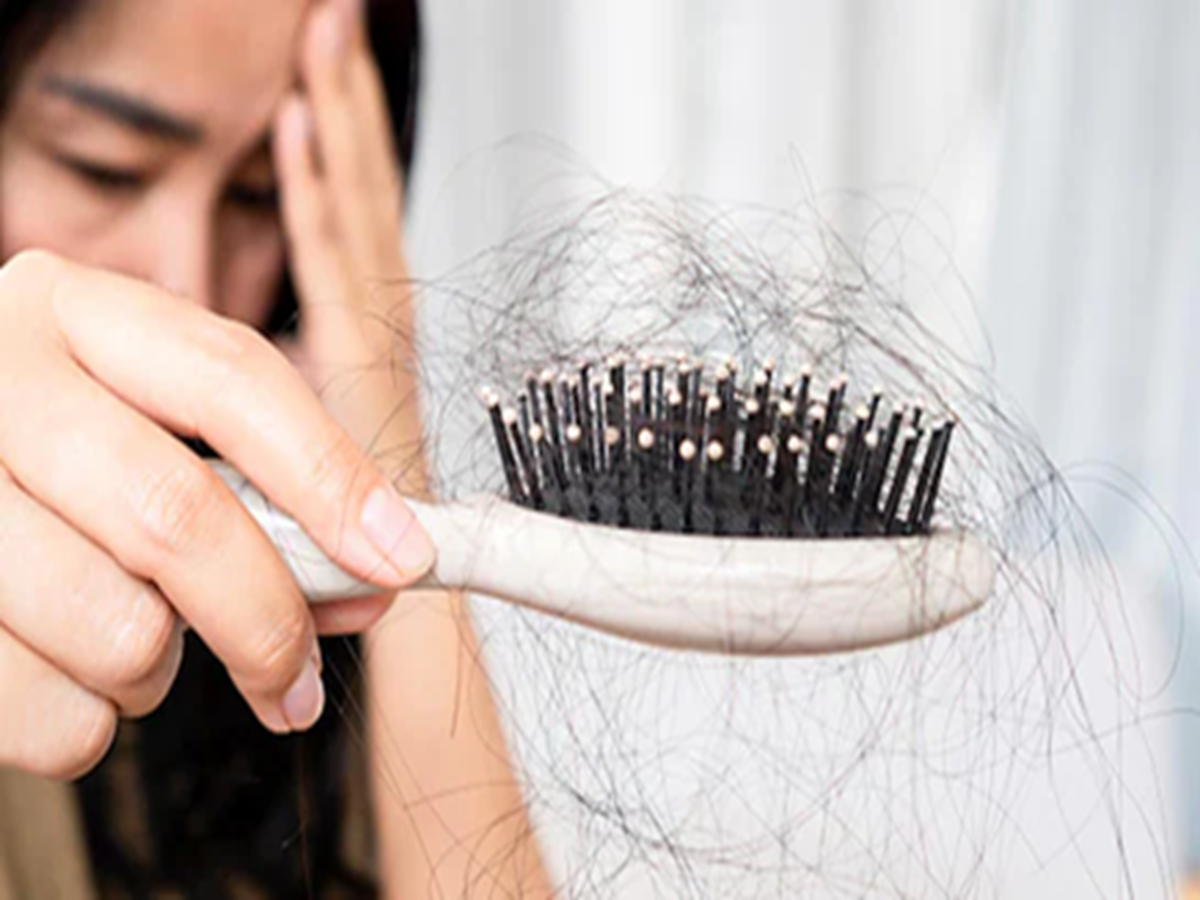
It's important to know that hair fall isn't always a sign of an underlying medical condition. Therefore, it's crucial to understand when hair fall is normal and when it's a cause for concern. Let's find out when hair fall is normal and when you need to see a doctor.
When is hair loss normal?
Our hair goes through a natural growth cycle. This cycle has three stages: anagen (growth phase), catagen (transition phase), and telogen (resting/shedding phase).
100 hairs per day - It is considered perfectly normal for a healthy adult to lose 50 to 100 hairs per day.
New hair replacing old hair - If your hair is falling out, but new, shorter hairs are growing in their place and your hair volume remains the same, there's no need to worry.
Seasonal changes - Hair fall often increases slightly during the monsoon season or with changing weather, which usually resolves on its own after some time.
When is it a cause for concern?
Hair loss in patches - If you are experiencing circular, coin-sized patches of hair loss on your scalp, and the skin in those areas is completely smooth, it could be an autoimmune problem.
Widening of the parting - In women, a widening of the parting in the middle of the head is often a sign of thinning hair.
Receding hairline - In men, thinning hair on both sides of the forehead or the formation of an 'M' shape can be the beginning of male pattern baldness.
Hair falling out in clumps - If you are finding clumps of hair on your pillow, in the shower drain, or while drying your hair, it is not normal.
Itchy or flaky scalp - If hair loss is accompanied by excessive dandruff, redness, or irritation on the scalp, it could be a fungal infection.
Main Causes of Hair Fall
If your hair fall is unusual, these could be the reasons:
Hormonal changes - Thyroid problems, PCOS, or hair loss after pregnancy can increase hair fall.
Nutrient deficiencies - A lack of iron, vitamin B12, vitamin D, and protein in the body weakens hair follicles.
Stress - Sudden and excessive hair fall can occur 2-3 months after physical or mental stress.
Chemicals and heat - Frequent straightening, smoothing, or the use of poor-quality hair dyes.
How to prevent it?
Balanced diet - Include spinach, eggs, nuts, paneer (Indian cottage cheese), and lentils in your diet.
Proper hair care - Avoid tying your hair too tightly and use sulfate-free shampoo.
Blood tests - If hair fall persists, consult a doctor and get your iron and vitamin levels tested.
PC Social Media