LIFESTYLE
Holashtak: What is Holashtak, why is it dangerous, for how many days will its effect last? know..
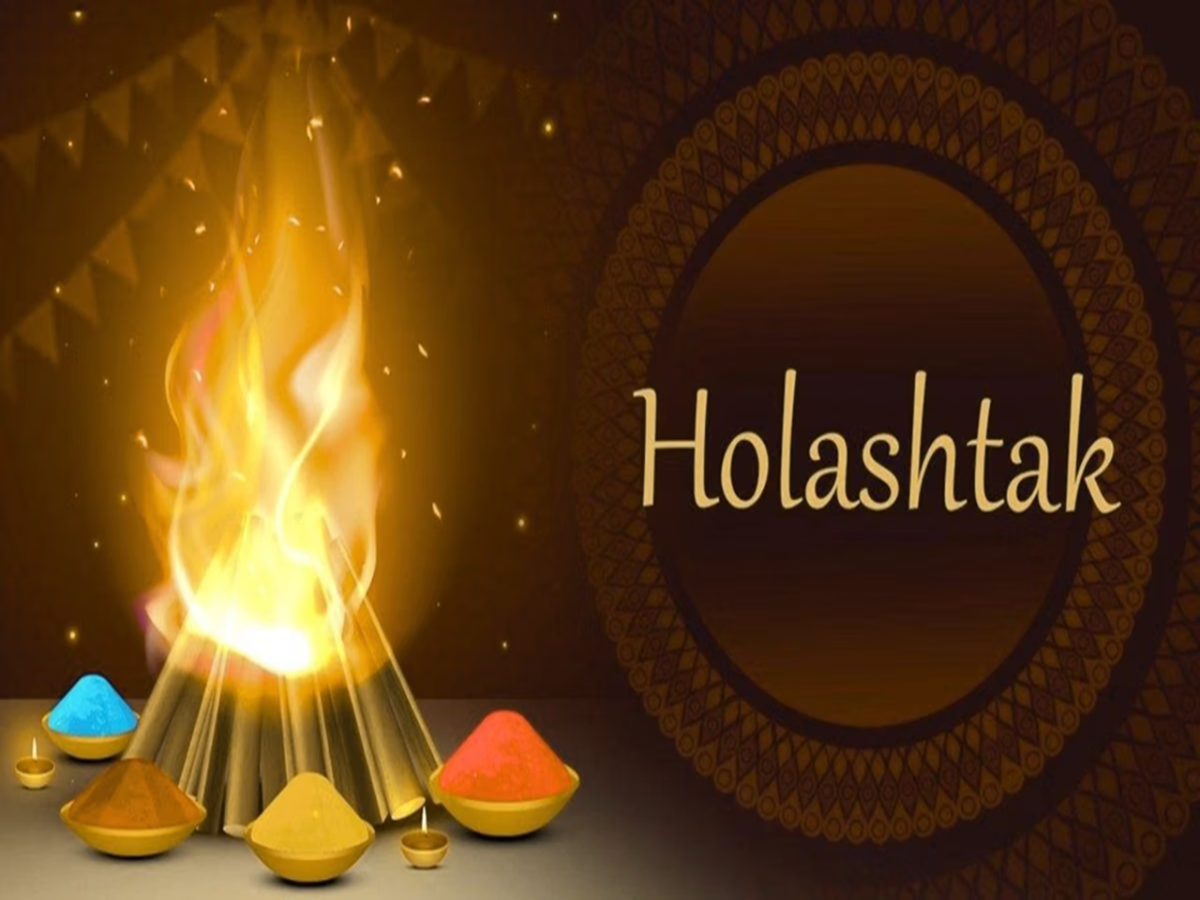
Holashtak 2026 Date: Holi, the festival of colors, holds special significance in Sanatan Dharma. Holashtak begins eight days before Holi. The eight days of Holashtak are considered inauspicious in the scriptures, but Holashtak's impact isn't universal in India, but only in certain regions. A verse dedicated to this is mentioned in the astrology book, Muhurta Chintamani. This verse holds the full secret. Professor Subhash Pandey of the Department of Astrology at Banaras Hindu University has revealed this secret. Professor Subhash Pandey explains that Holashtak is only effective in certain areas. The scriptures state that Holashtak occurs only in the western part of India. The Vipasha River, now known as the Vyas River, is not affected, and the coastal areas of the Iravati (Ravi), Sutlej, and Tripushkar rivers are not affected. These rivers are located in Punjab, Gujarat, and the areas around Ajmer. Holashtak's influence is felt only in these areas.
Where it doesn't affect the North and Northeast.
Holashtak has no effect at all in the North and Northeast. This means that auspicious events can still take place during Holashtak in these parts of India. There is no harm in this. This means that in Uttar Pradesh, Madhya Pradesh, Delhi, Haryana, Rajasthan, Assam, Bihar, and other places, weddings, mundan ceremonies, house warming ceremonies, and other activities can be performed during these days, depending on the auspicious time.
When will Holashtak be celebrated?
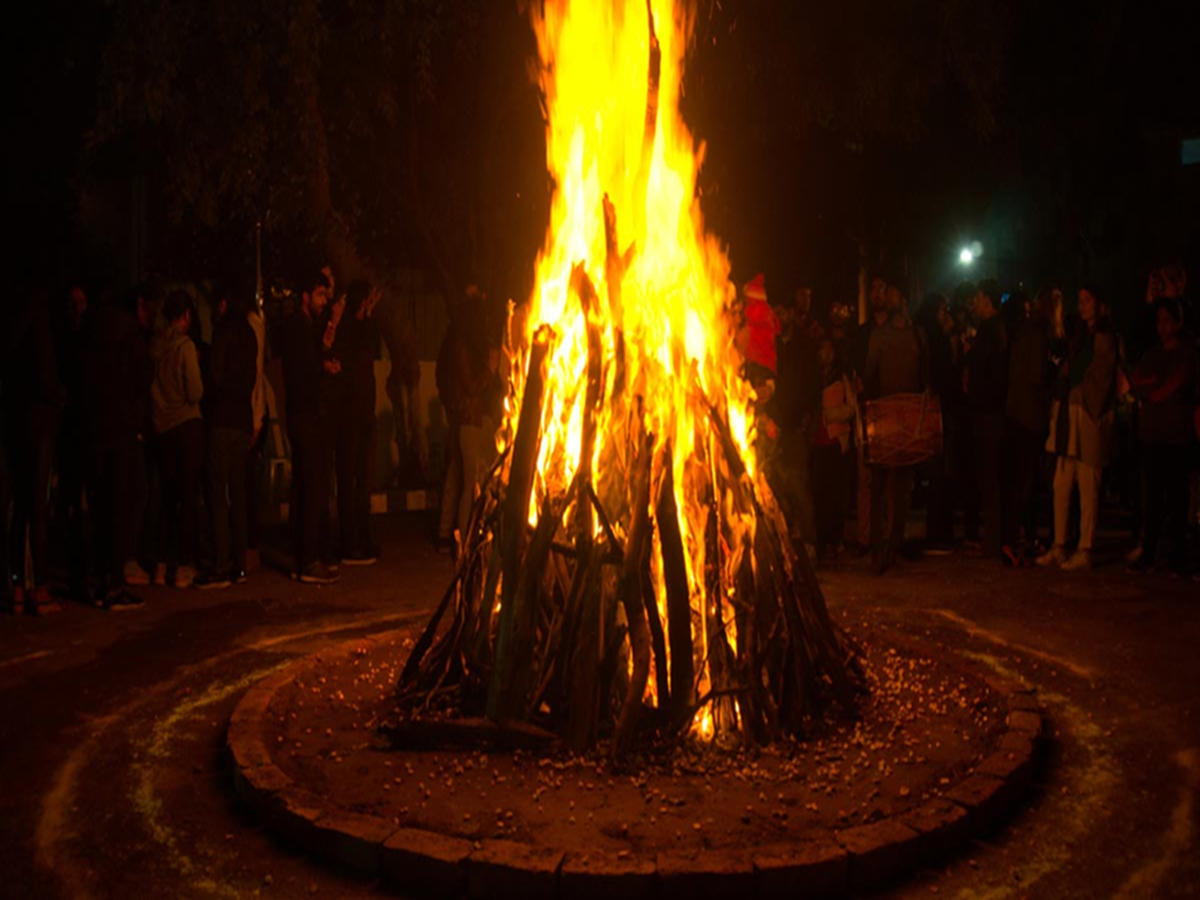
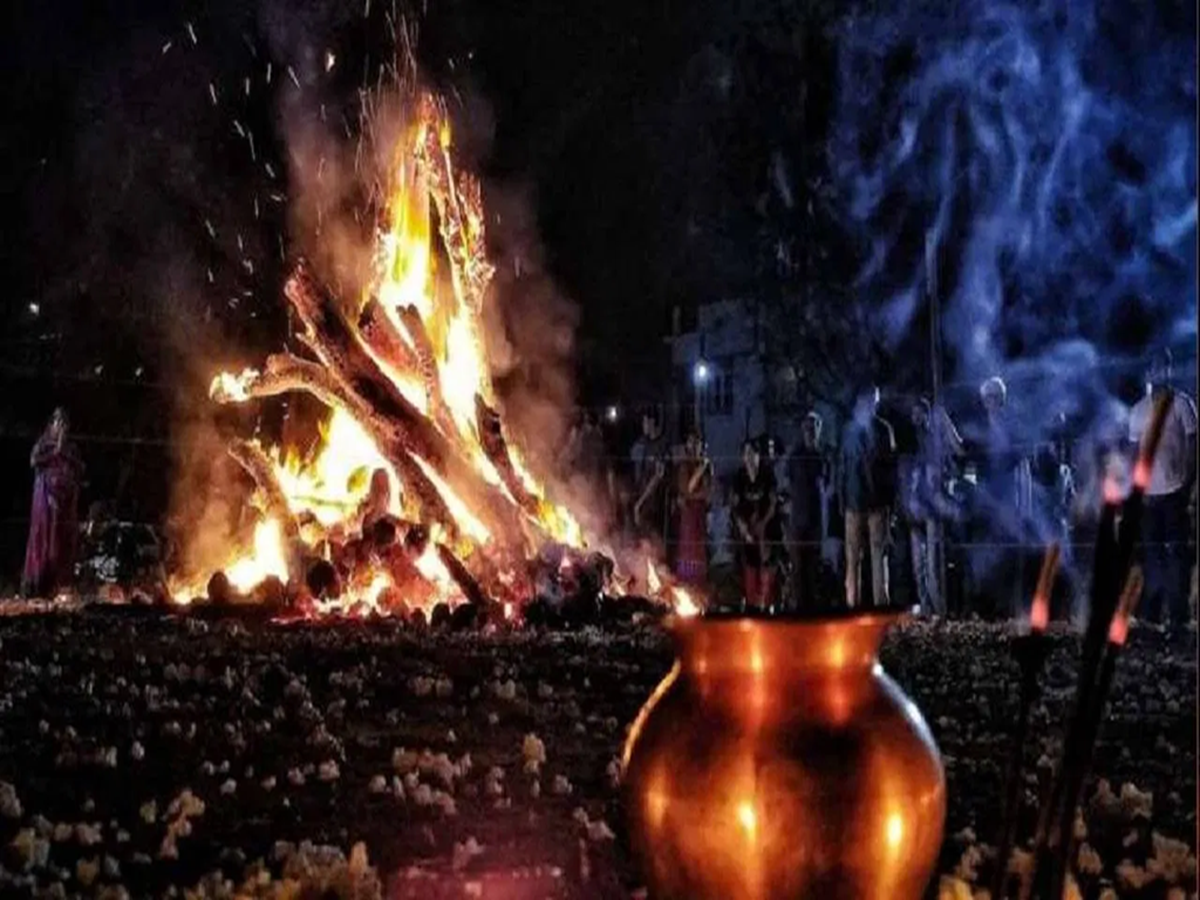
According to the Hindu calendar, Holashtak begins on the Ashtami Tithi of the Shukla Paksha (the bright fortnight of the lunar month of Phalguna) and concludes with Holika Dahan on the full moon day of Phalguna (the full moon day of the lunar month of Phalguna). This year, Holashtak begins on February 23rd and continues until March 3rd. Holika Dahan will take place at midnight on March 2nd, as the lunar eclipse prevents the auspicious time for Holika Dahan on March 2nd.
Why is it not considered good
The story associated with Holashtak revolves around Prahlad, a great devotee of Lord Vishnu, and Hiranyakashipu's sister, Holika. According to religious lore, during these eight days of Holashtak, Prahlad's father, Hiranyakashipu, subjected his son, Prahlad to various forms of torture. On the final day, Hiranyakashipu asked his sister, Holika, to take Prahlad and sit in a fire. Holika was burned to death, but Prahlad remained unharmed. This is why these eight days are considered inauspicious in the scriptures.
PC Social Media