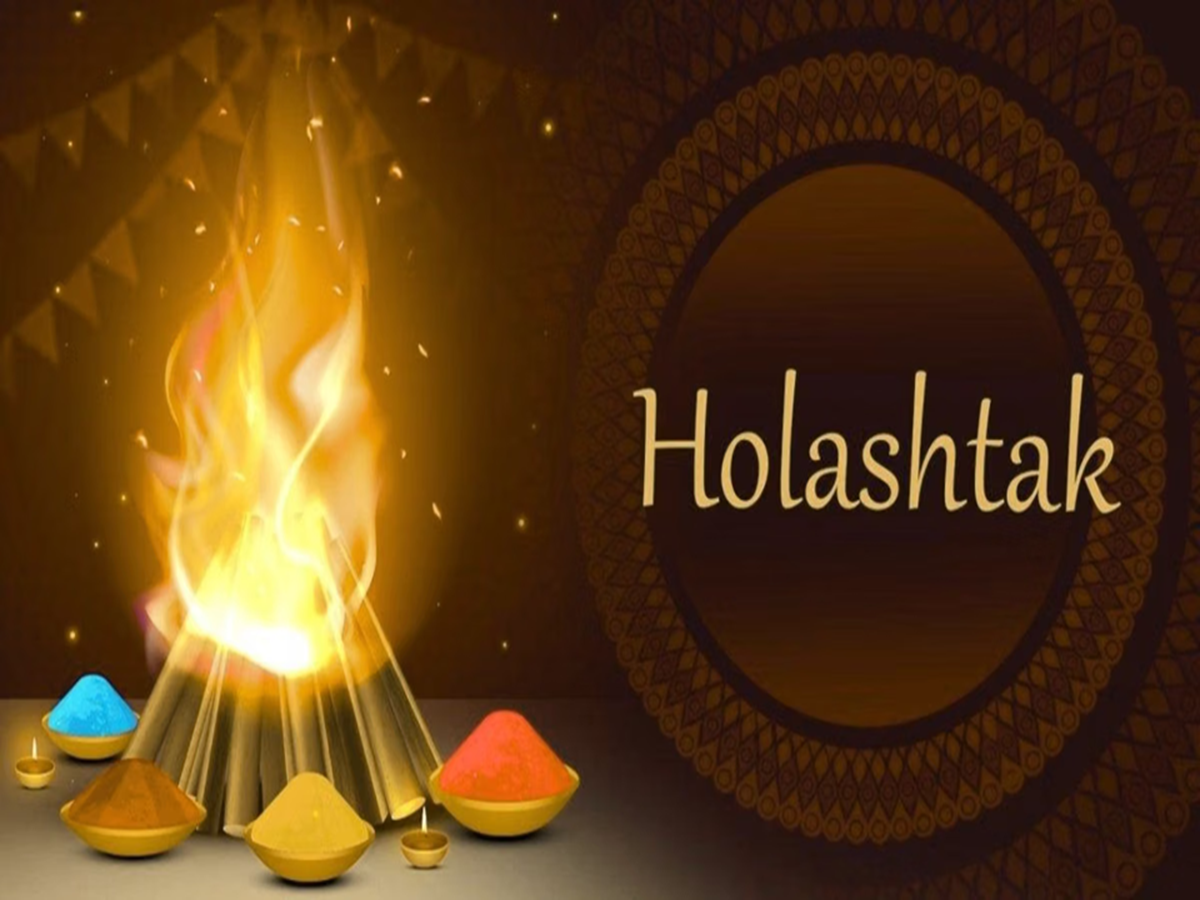
What to do and what not to do during Holashtak: Holashtak is considered a special and religiously sensitive period in the Hindu calendar. It begins on the Ashtami (eighth day) of the Shukla Paksha (bright fortnight) of the month of Phalgun (Falgun) and continues until Holika Dahan (burning of the fire). These eight days are considered spiritually significant, as the planetary positions during this period are said to have inauspicious effects. Therefore, there is a tradition of refraining from performing auspicious tasks during this time.
According to religious beliefs, worship, chanting, meditation, and devotion to God hold special significance during Holashtak. Auspicious events such as marriage, housewarming, or the beginning of new projects are advised to be postponed. Scriptures and folk traditions consider this period to be an opportune time for introspection and devotion, which can bring positive energy and auspicious results to life.
When is Holashtak?
In the year 2026, Holashtak will begin on Tuesday, February 24th, and continue until March 3rd. This period extends from the Ashtami (eighth day) of the Shukla Paksha (bright fortnight) of the month of Phalgun (the lunar fortnight) to the burning of Holika. The following day, on March 4th, Holi will be celebrated with great pomp and show across the country. Holashtak is considered a highly sacred and religiously sensitive time in Hinduism. It is especially recommended to postpone auspicious activities during this time to avoid any negative influences or obstacles.
Religious Significance of Holashtak
In astrology, Holashtak is considered the best time for spiritual practice, devotion, and introspection. This eight-day period helps bring mental peace, spiritual progress, and positive energy into one's life. Due to the position of the planets and constellations during this time, new auspicious activities such as marriage, house warming, property transactions, starting a business, or traveling are not considered favorable. It is believed that doing so during this time may lead to obstacles and failure in work.
What activities are prohibited during Holashtak?
During Holashtak, one should avoid not only major auspicious events, but also disputes, quarrels, and unnecessary stress. Auspicious activities such as starting a new project, marriage, housewarming, property purchase, or travel should be avoided. Inauspicious influences are considered more active during this period, so it is essential to perform daily activities with restraint and caution.
What to do during Holashtak?
Cleaning the house and performing puja
Studying religious texts
Donating and helping the needy
Serving parents, elders, and gurus
Practicing satsang, meditation, and chanting mantras
Reviewing one's actions and introspecting
These activities improve mental and spiritual health and bring happiness and peace to life. According to scriptures, charity and virtuous deeds performed during this time are especially fruitful. Furthermore, planting trees and conserving natural resources are also considered beneficial.
Holashtak Concludes and Holi
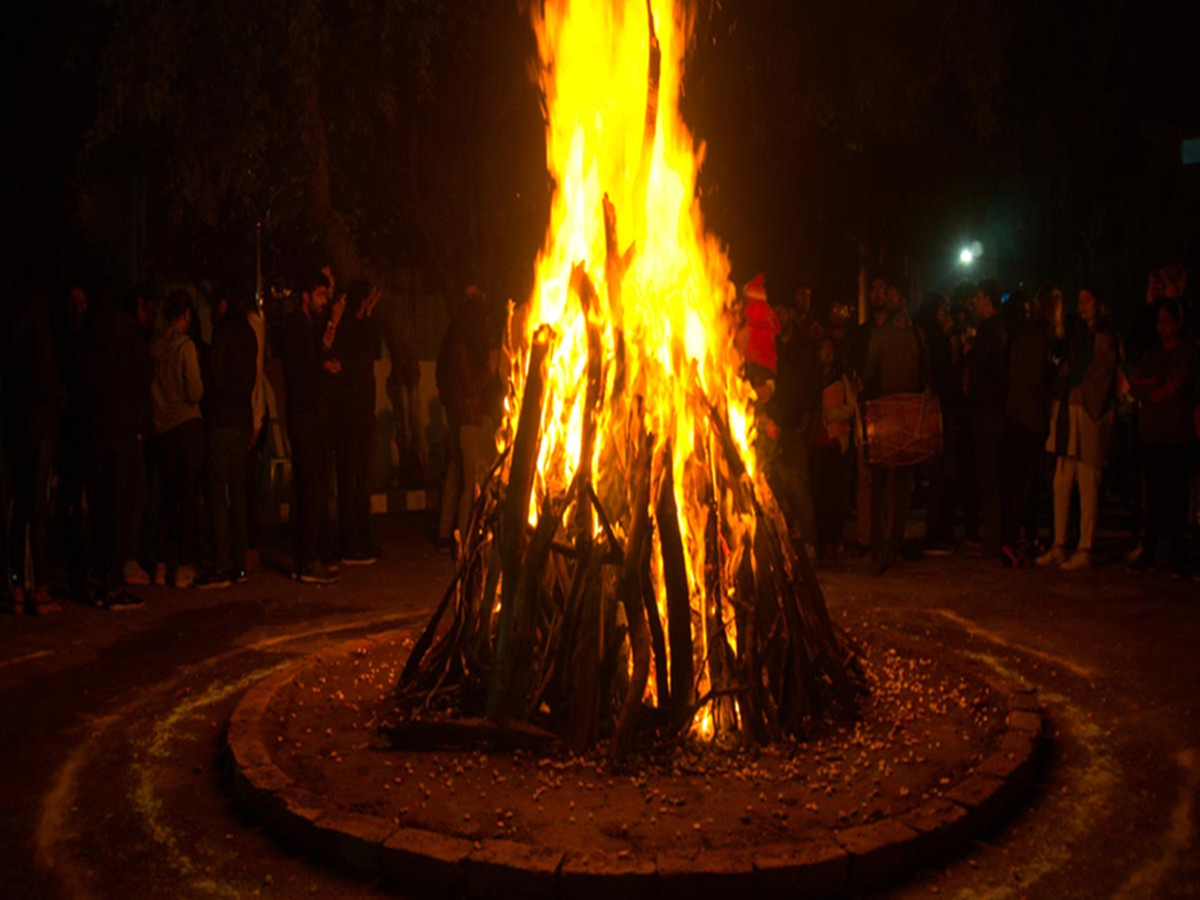
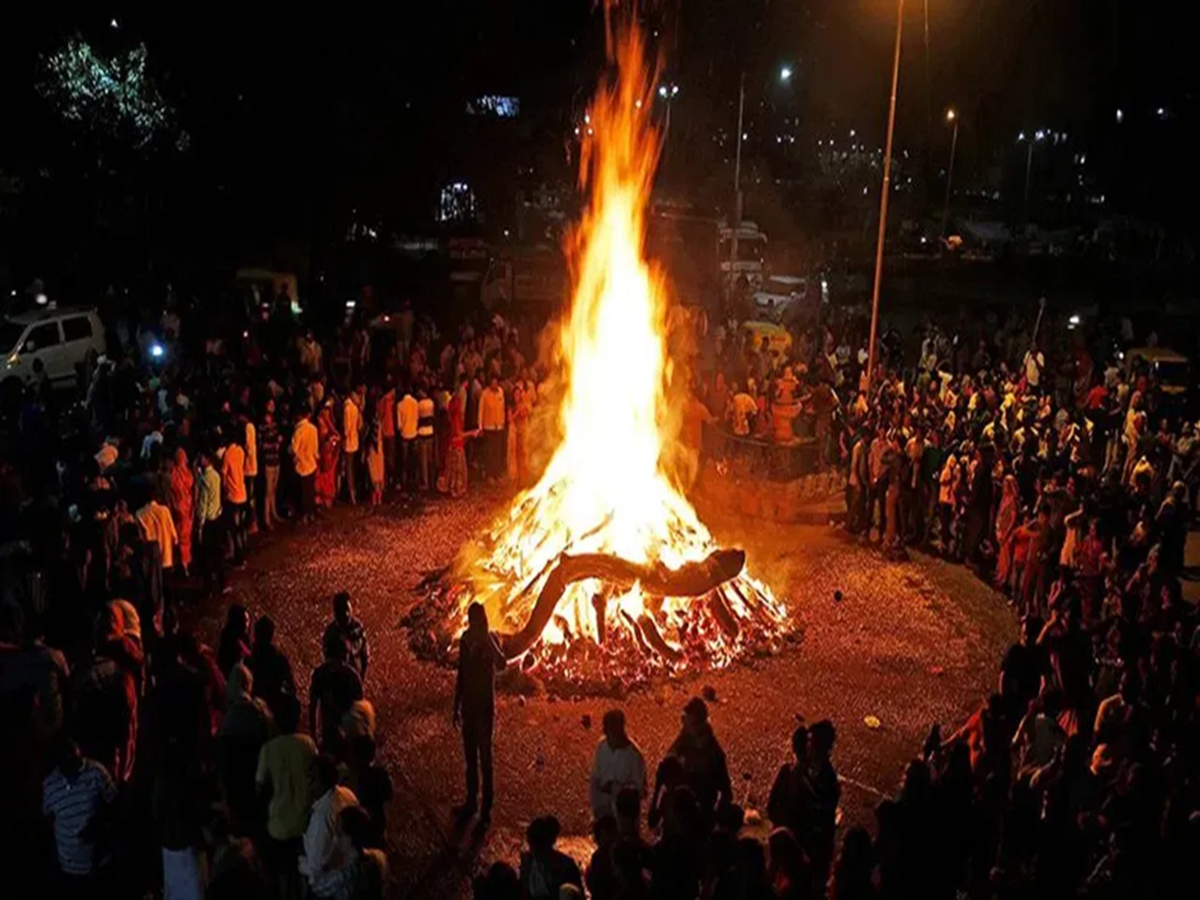
Holashtak concludes with the burning of Holika. Following the Holika Dahan ceremony on March 3, 2026, Holi, the festival of colors, will be celebrated with great enthusiasm and joy on March 4. Religiously, it symbolizes the triumph of goodness and positivity over adversity and negativity. Focusing on restraint, devotion, and virtuous deeds during the eight days of Holashtak brings spiritual benefits, happiness, prosperity, and mental balance to a person's life.
PC Social Media