LIFESTYLE
Health: Increased Risk of Heatstroke and Dehydration! Who is Most at Risk During 'Nautapa'?

Nautapa Heatstroke: While summer arrives every year, the nine days of *Nautapa* have a distinct impact on people's health. From morning until late evening, the scorching sun and hot winds rapidly deplete the body's strength. In many cities, temperatures have already crossed the 45-degree mark, and in such weather, even the slightest negligence can prove costly. This period is considered particularly challenging for individuals whose bodies tend to dehydrate quickly or those with compromised immunity. This year, *Nautapa* begins on May 25th and will continue until June 2nd.

The Meteorological Department is also continuously advising people to avoid venturing outdoors during the afternoon hours. Doctors note that during these days, there is a sharp rise in cases of heatstroke, dizziness, severe headaches, and general weakness. Many people dismiss this as ordinary summer heat and ignore it; however, this very mistake can later lead to serious health complications. Consequently, it is crucial to understand who is most at risk and what precautions they should take.
Why Does the Risk Increase During *Nautapa*?
During *Nautapa*, the sun's rays strike the earth directly, causing a sudden and significant surge in temperature. The hot winds rapidly deplete the body's water reserves, and essential minerals are also lost through perspiration. This is why people begin to feel fatigued quickly; if the body does not receive timely hydration and rest, the risk of heatstroke increases. In many instances, individuals may experience sudden bouts of dizziness or even reach a state bordering on fainting. For this reason, doctors advise exercising extra caution during this period.
1. The Elderly Are at Highest Risk
As one ages, the body's tolerance for heat diminishes; consequently, *Nautapa* can be a particularly difficult time for the elderly members of a household. With advancing age, the body's capacity to regulate its internal temperature begins to decline. Furthermore, perspiration decreases, rendering the body less capable of cooling itself down effectively. Often, elderly individuals consume less water or experience a diminished sensation of thirst. This leads to a rapid depletion of the body's fluid levels. Doctors advise that such individuals should be given small amounts of water throughout the day. They should be kept in a cool environment and completely shielded from the harsh midday sun.
2. Pay Special Attention to Young Children
Children's bodies dehydrate quickly. Since the bodies of young children are not yet fully developed, they are unable to tolerate intense heat effectively. While playing, they often fail to recognize when they are thirsty, which exacerbates the problem. It is frequently observed that during the summer months, children begin to suffer from ailments such as vomiting, weakness, and high fever. Doctors recommend that children not be sent outdoors between 12:00 PM and 4:00 PM. Ensure they are regularly provided with fluids such as coconut water, lemonade, buttermilk, and fruit juices.
3. Why Should Pregnant Women Remain Alert?
During pregnancy, the body requires increased hydration and nutritional intake. Consequently, intense heat can aggravate health issues. Prolonged exposure to sunlight can lead to dizziness, fatigue, and blood pressure fluctuations. Many women, preoccupied with household chores, often neglect their own well-being; however, during the 'Nautapa' period (the nine hottest days), such negligence can prove detrimental. Doctors advise pregnant women to consume light meals and drink as much water as possible.
4. The Difficulties of Ailing Individuals May Intensify
Patients suffering from diabetes and heart conditions must remain vigilant. Individuals already battling diabetes, high blood pressure, or cardiovascular diseases may experience heightened difficulties during the 'Nautapa' period. Intense heat places additional physiological stress on the body, thereby exacerbating existing health complications. Furthermore, certain medications can accelerate the rate at which the body dehydrates. Such individuals should strictly adhere to their daily routines as prescribed by their physicians. It is advisable to schedule any essential tasks or errands for the early morning or late evening hours.
5. Those Working Outdoors Are Most Affected
The 'Nautapa' period can be extremely challenging for laborers, traffic police personnel, delivery workers, farmers, and individuals working along roadsides. Spending hours under direct sunlight causes the body's core temperature to rise rapidly. Continuous physical exertion in hot weather significantly increases the risk of heatstroke. In severe instances, individuals may even suffer sudden bouts of fainting. Therefore, those who work outdoors should cover their heads when stepping out and ensure they take frequent breaks. Always carry a water bottle with you.
**Simple Ways to Prevent Heatstroke**
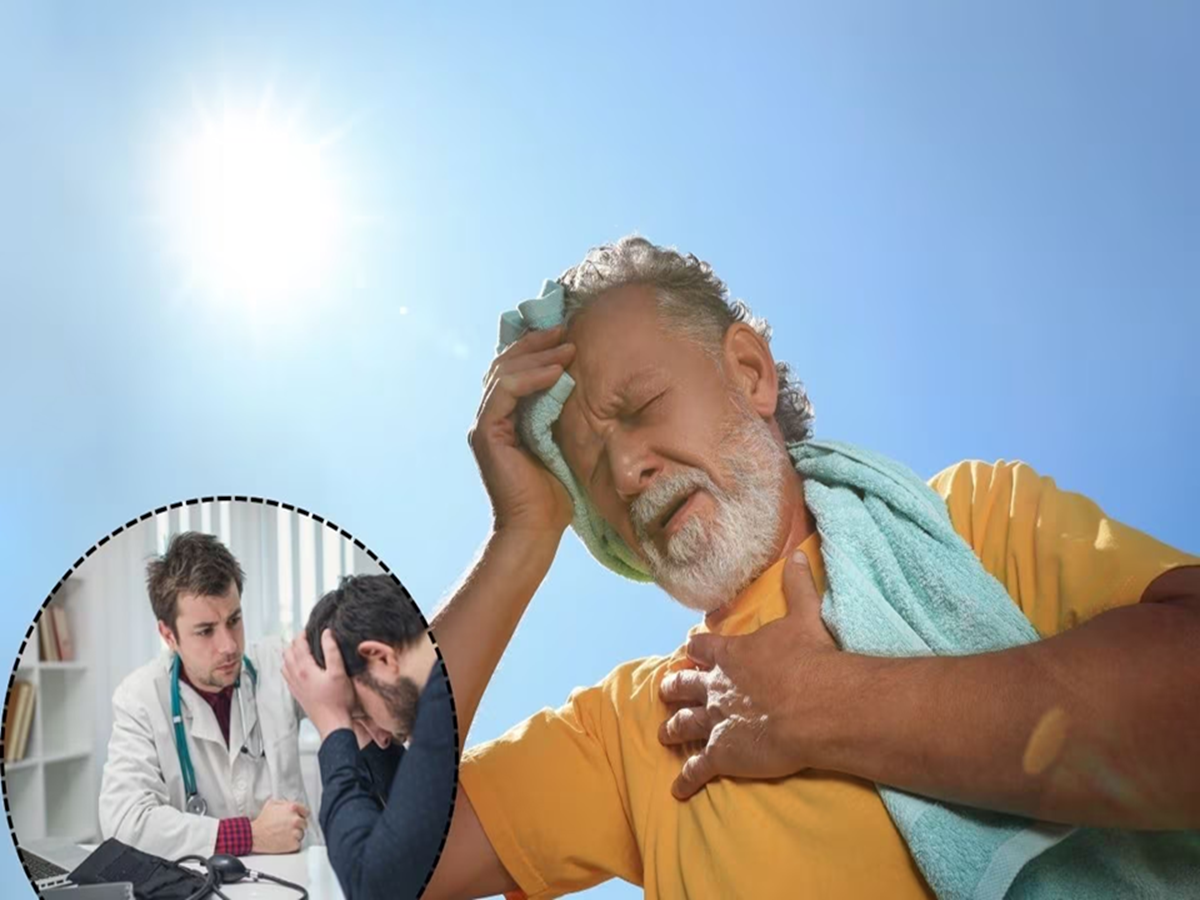
When it comes to protection against the heat, a few small habits can make a significant difference. Make sure to drink water before leaving home in the morning. Avoid venturing out into the sun on an empty stomach. Wear loose-fitting, light-colored clothing and refrain from consuming excessively oily food. If anyone experiences severe dizziness, vomiting, excessive sweating, or a sensation of body heat, they should contact a doctor immediately. Dismissing these symptoms as mere general weakness could be dangerous.
PC Social Media