
LIFESTYLE
Health: How much sugar is in a 1-liter bottle of cold drink? You'll want to know before you gulp it down..

Sugar Content in Soft Drinks: Everyone enjoys drinking cold drinks during the summer season. Consuming a chilled drink provides relief from the heat and leaves people feeling refreshed. The moment thirst strikes, many people bypass water entirely, reaching straight into the fridge to grab and gulp down a bottle of cold drink. Have you ever wondered exactly how much sugar is contained in a single 1-liter bottle? If you were to learn the precise figures, you might think twice—or even several times—before consuming one again. Health experts advise people to steer clear of sugary beverages, as they contain an excessively high amount of sugar. If consumed continuously over a prolonged period, this habit can significantly increase the risk of developing various diseases.
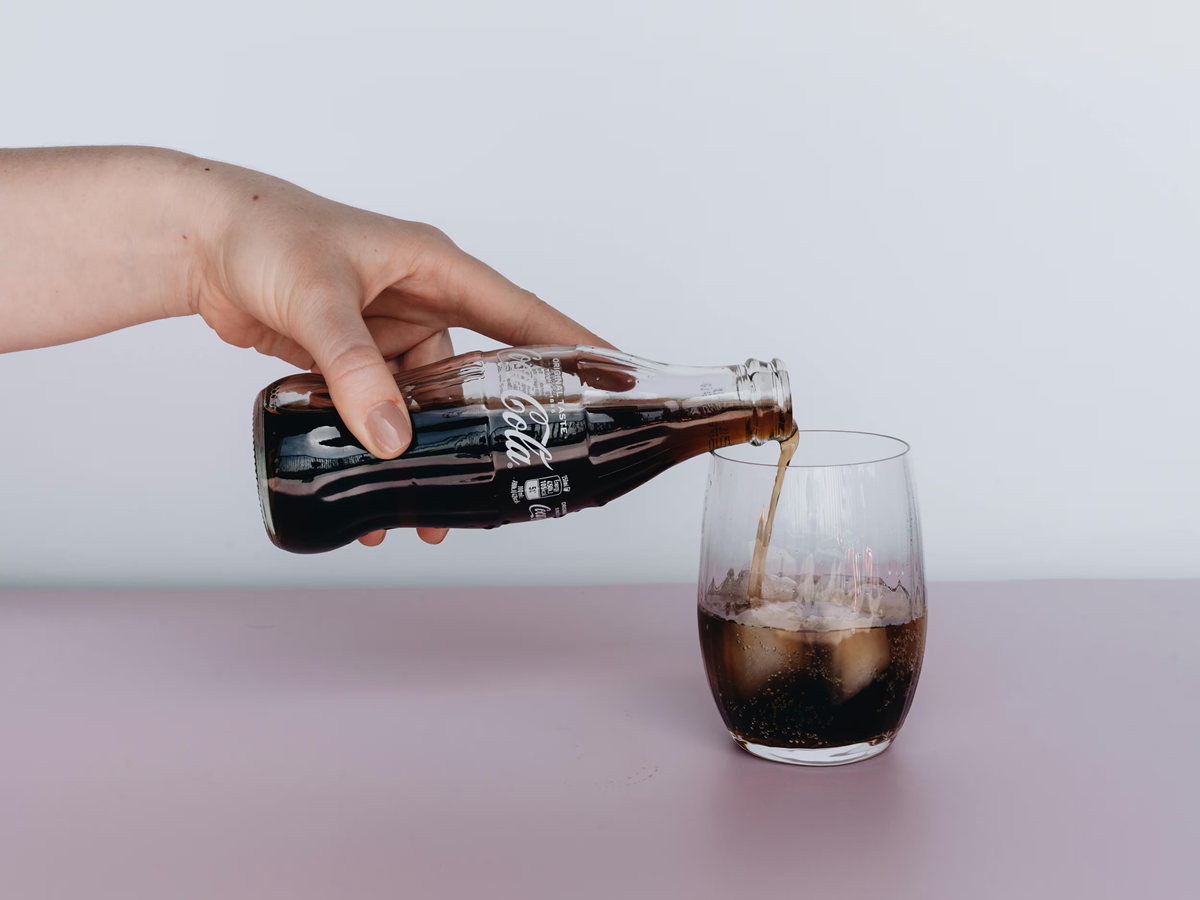
Information regarding this matter is also available on Coca-Cola's official website. According to their data, approximately 100 milliliters of Coca-Cola contains 10.6 grams of sugar. Based on this calculation, a standard 330 ml can contains roughly 35 grams of sugar. A 1-liter bottle, on the other hand, contains approximately 106 grams of sugar. While there may be slight variations in sugar content across cold drinks produced by different companies, the differences are generally not substantial. If we visualize this in terms of teaspoons, a single teaspoon holds roughly 5 grams of sugar. By this measure, a 330 ml can of cold drink contains 35 grams—equivalent to 7 teaspoons—of sugar. As for a 1-liter bottle, it could contain anywhere between 20 to 21 teaspoons of sugar. Furthermore, cold drinks contain various other ingredients that can be detrimental to health if consumed in excessive quantities.
According to the World Health Organization (WHO), an adult should not consume more than 25 to 36 grams—approximately 5 to 8 teaspoons—of added sugar per day. A single bottle of cold drink contains several times the amount of sugar required to meet an average person's entire daily limit. Consuming such an excessive quantity of sugar has a detrimental effect on the body; most notably, it causes a rapid spike in blood sugar levels, thereby placing significant strain on the body's insulin system. When this occurs repeatedly, the risk of developing Type 2 diabetes increases significantly. Furthermore, added sugar accumulates in the body in the form of fat, leading to obesity and an increase in abdominal fat.
The high sugar content found in cold drinks also poses a threat to dental health. The combination of acids and sugar present in these beverages damages the enamel—the protective outer layer of the teeth—thereby increasing the risk of cavities and tooth decay. These adverse effects are observed even more rapidly in children and adolescents. Additionally, sugary drinks can influence your appetite; consuming a cold drink may cause you to feel hungry sooner, leading to increased food intake. This, in turn, further elevates the risk of weight gain. Numerous studies also indicate that excessive consumption of sugary beverages can heighten the risk of heart disease and metabolic syndrome. Consequently, the hidden sugar lurking in cold drinks can pose a major threat to your health. Therefore, it is advisable to limit your intake of these beverages and opt for healthier alternatives such as water, coconut water, or fresh fruit juices instead.
PC Social Media