LIFESTYLE
Health During the Rainy Season: Why do most diseases spread during the rains? Learn the reasons and how to stay safe..

Monsoon Health Tips: The monsoon brings cool breezes, greenery, and relief, but it also increases the risk of various illnesses. Immunity levels can be compromised during the rainy season, which is why health-related issues spread rapidly during this time. Additionally, habits such as wearing damp clothes, consuming contaminated water, eating unhygienic street food, and neglecting cleanliness significantly heighten the risk of infection.
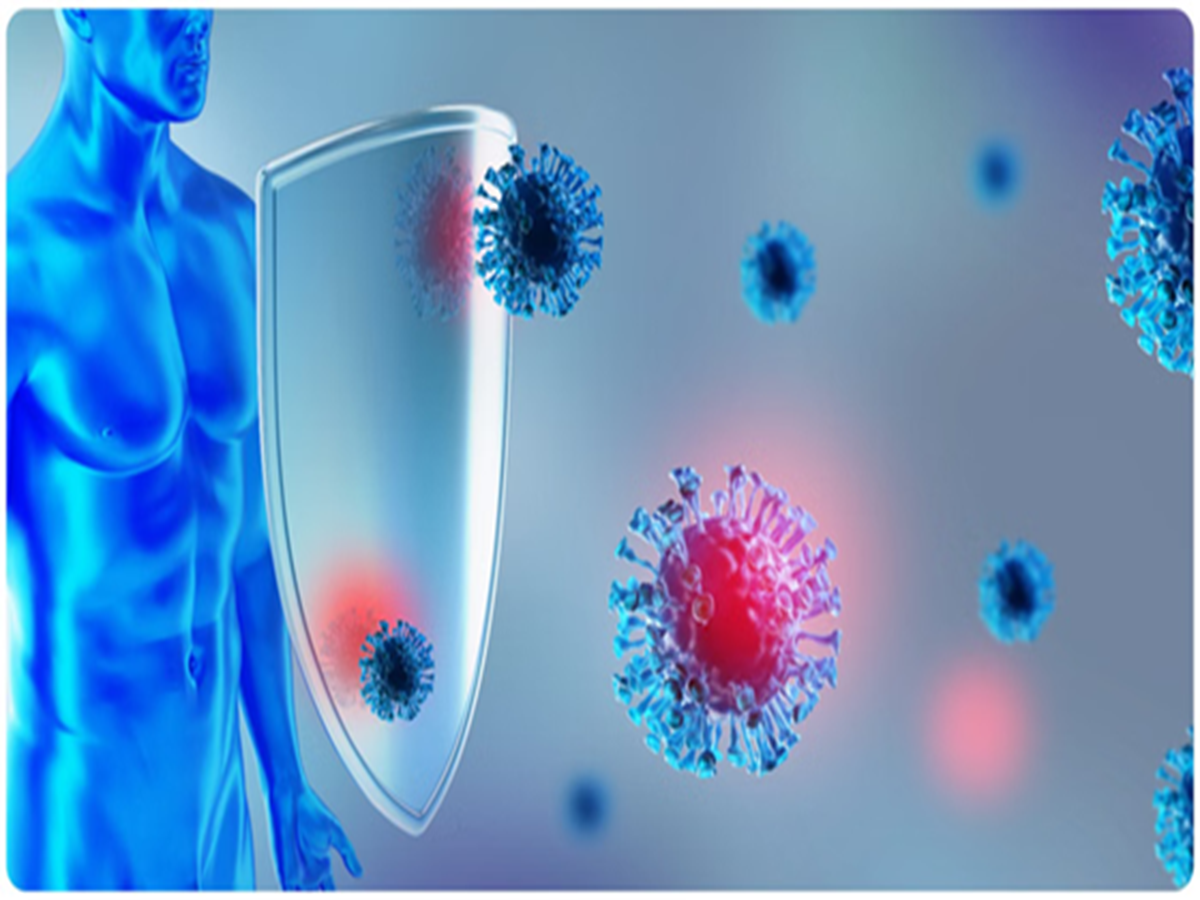
In this context, it is crucial to understand why people frequently fall ill during the rainy season and what precautions can be taken to keep oneself and one's family healthy. Expert advice and a little vigilance can play a vital role in protecting you from diseases throughout the season.
1. Increased Humidity
Humidity levels in the air rise significantly during the monsoon. This environment is highly conducive to the growth of bacteria, viruses, and fungi. Moisture causes clothes, bedding, and corners of the house to remain damp for extended periods, increasing the risk of fungal infections. Furthermore, a lack of adequate ventilation in enclosed rooms can facilitate the rapid spread of infections. Consequently, viral fevers, colds, and skin-related issues are more common during the monsoon.
2. Water Stagnation
After the rain, water accumulates in streets, potholes, parks, on rooftops, and in coolers, flowerpots, and areas surrounding homes. This stagnant water becomes an ideal breeding ground for mosquitoes to lay eggs and multiply rapidly. Aedes mosquitoes, in particular, spread dengue and chikungunya, while Anopheles mosquitoes are responsible for malaria. If the water is not drained promptly, infections can spread quickly.
3. Contaminated Water and Food
During the monsoon, rainwater often contaminates sources of drinking water. Often, sewage water mixes with drinking water, increasing the risk of diseases such as cholera, typhoid, diarrhea, and food poisoning. Additionally, street food sold in the open, cut fruits, and food kept for long periods can become contaminated with bacteria. Therefore, it is advisable to consume fresh, hot, and clean food during this season.
4. Weakened Immunity
Frequent fluctuations in temperature and weather during the monsoon make it difficult for the body to adapt quickly. This can temporarily weaken the immune system. Individuals with pre-existing low immunity—such as children, the elderly, and those suffering from serious illnesses—are more susceptible to viral infections. Thus, a balanced diet, adequate sleep, and regular exercise are crucial during this season.
5. Wet Clothes and Prolonged Exposure to Moisture
Staying in wet clothes for an extended period after getting drenched in the rain can cause a rapid drop in body temperature. This increases the risk of colds, coughs, throat infections, and viral fevers. Wearing wet shoes and socks can also lead to fungal infections, itching, and foot odor. Therefore, it is essential to change into dry clothes and thoroughly dry your body immediately after getting wet in the rain.
Common Monsoon Illnesses
Viral fever
Cold and flu
Dengue
Malaria
Chikungunya
Typhoid
Food poisoning
Cholera
Diarrhea
Fungal infections
Skin allergies
Stomach infections

How to Prevent Illnesses During the Monsoon?
Drink boiled or filtered water.
Avoid eating uncovered street food.
Do not allow water to stagnate around your home.
Use mosquito nets and mosquito repellents.
PC Social Media