
LIFESTYLE
Health: Are weight loss medications effective for fatty liver as well? For whom are they beneficial?

Diabetes-Fatty Liver Connection: The liver ranks among the most vital organs in our body. In recent times, deteriorating lifestyles and dietary habits have had a direct impact on liver health, leading to a significant number of people falling victim to fatty liver disease. This issue is particularly prevalent among patients with diabetes. According to medical experts, fatty liver and diabetes are intrinsically linked. Individuals suffering from fatty liver face a heightened risk of developing Type 2 diabetes, while diabetic patients are similarly at a greater risk of developing fatty liver. Consequently, many patients find themselves battling both conditions simultaneously. In such scenarios, weight-loss medications can prove to be highly effective in providing relief from both ailments.
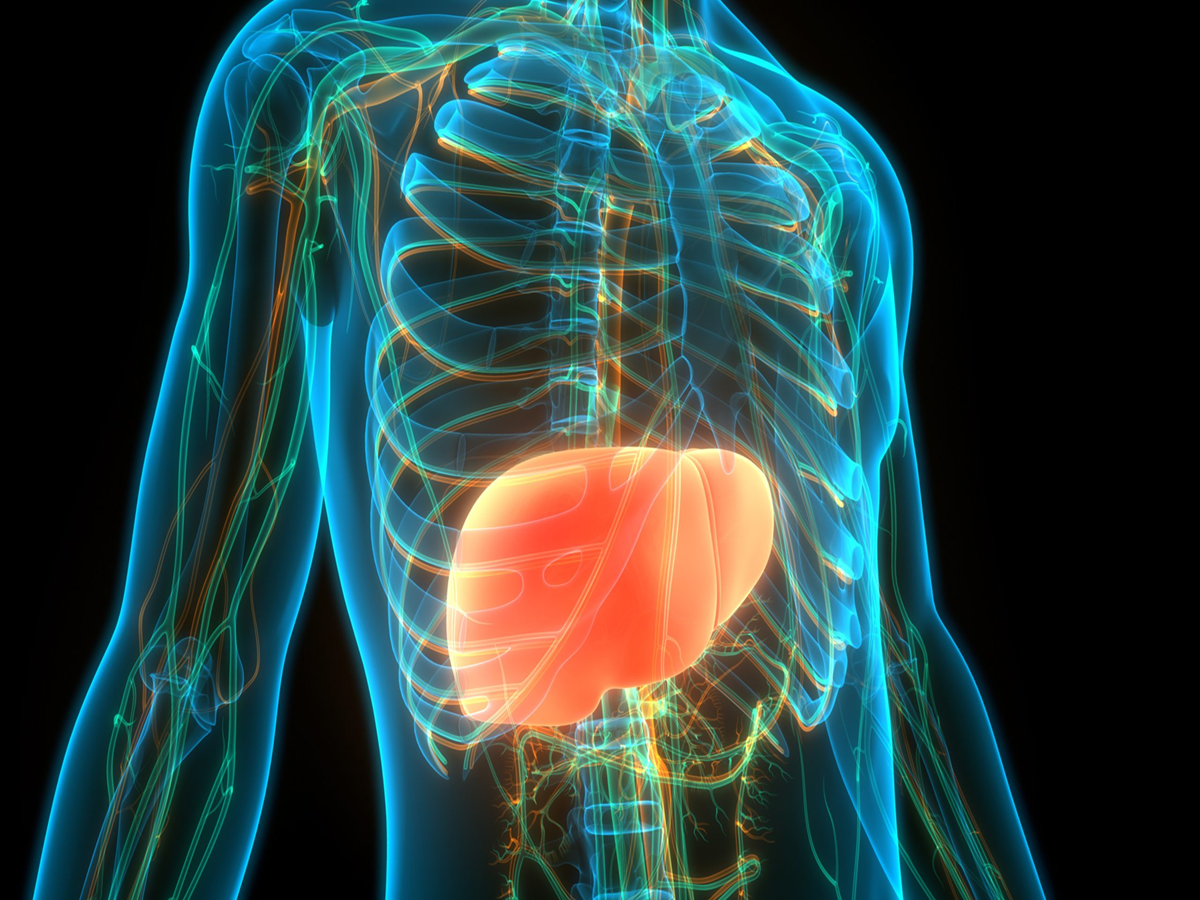
Dr. Paras Agarwal, an endocrinologist at Marengo Asia Hospital in Gurugram, explains that the medications commonly referred to as "weight-loss drugs" were, in fact, originally developed for the treatment of Type 2 diabetes. These medications facilitate weight reduction and assist in managing diabetes. Numerous studies have demonstrated that, beyond treating diabetes, these drugs are also effective in alleviating fatty liver disease. Indeed, there is a profound connection between fatty liver and diabetes. The liver serves as the body's storage site for glucose. When an individual develops diabetes, insulin resistance triggers an accumulation of fat within the liver—a condition known as fatty liver. One condition exacerbates the other; therefore, the effective management of both is essential.
Dr. Agarwal further notes that individuals suffering solely from fatty liver disease can also benefit from taking weight-loss medications. Doing so not only provides relief from fatty liver but also significantly reduces their risk of developing Type 2 diabetes. Weight-loss medications—particularly those belonging to the GLP-1 class—work by regulating insulin secretion within the body and suppressing appetite. As these medications facilitate weight loss, the liver experiences the most positive and beneficial impact of this reduction in body weight. During the weight loss process, the body first utilizes the excess fat accumulated in the liver as fuel. This reduces liver inflammation and improves its functional efficiency—a benefit that is nothing short of a boon for patients suffering from fatty liver disease.
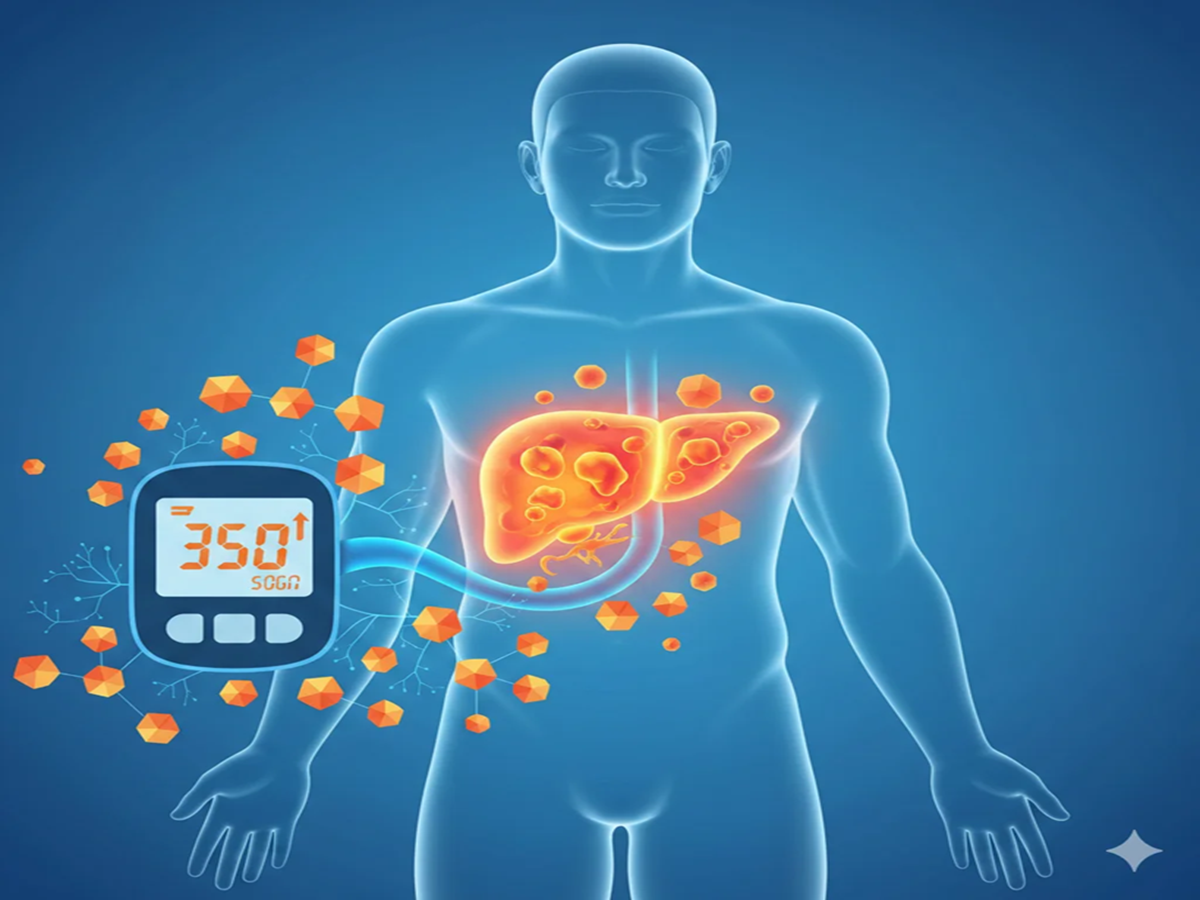
According to experts, there is a specific criterion for prescribing weight loss medications. An individual is considered eligible for these drugs if their Body Mass Index (BMI) exceeds 30. Furthermore, if a person has a BMI greater than 27 accompanied by other comorbidities—such as high blood pressure, diabetes, or fatty liver disease—doctors may still recommend weight loss treatments or GLP-1 medications. This treatment is administered not merely to reduce weight, but also to address and resolve other associated physiological complications. If left untreated, fatty liver disease can progress into severe conditions such as cirrhosis; therefore, weight management is regarded as a primary therapeutic intervention. However, these medications should strictly be taken only under a doctor's supervision.
PC Social Media