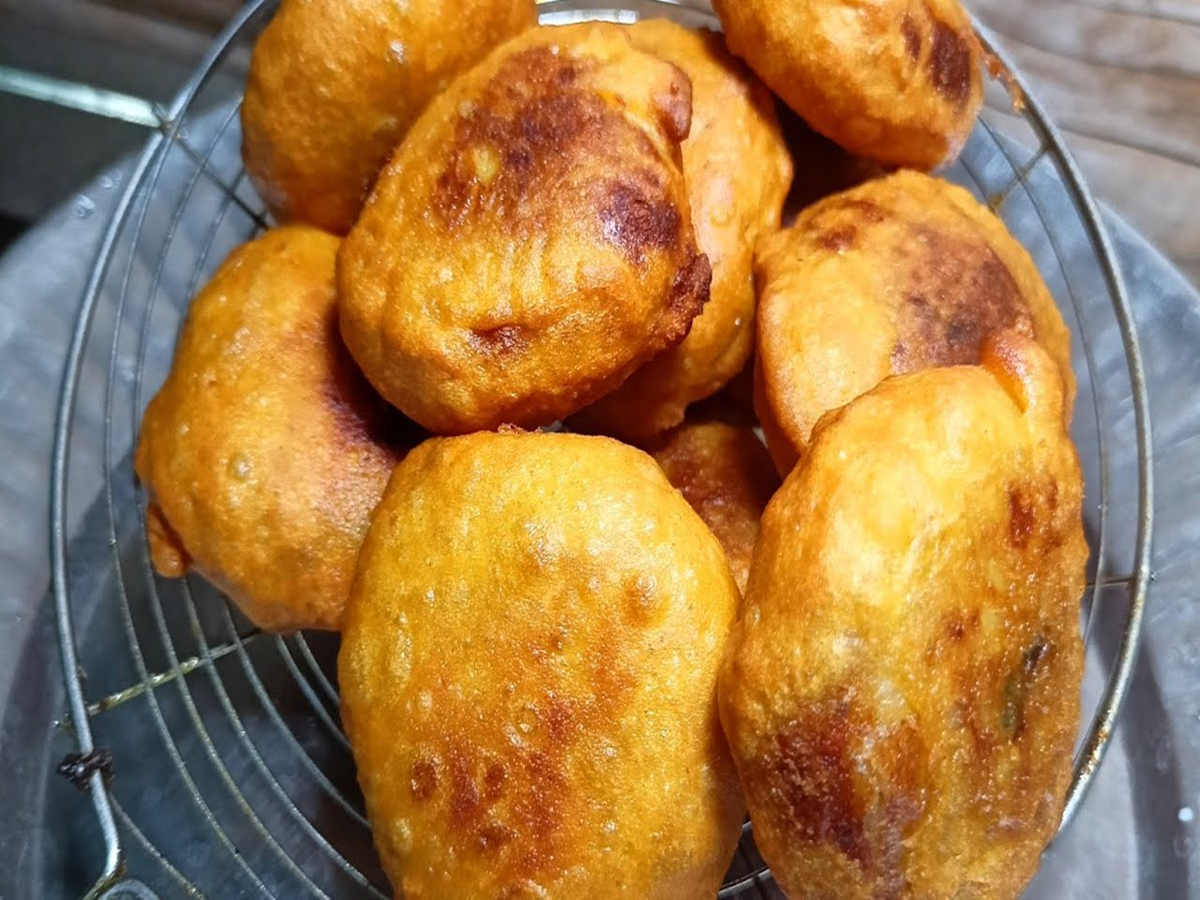
Food & recipe
Health Alert: Don't take diarrhea and stomach pain lightly during the monsoon—could it be food poisoning?
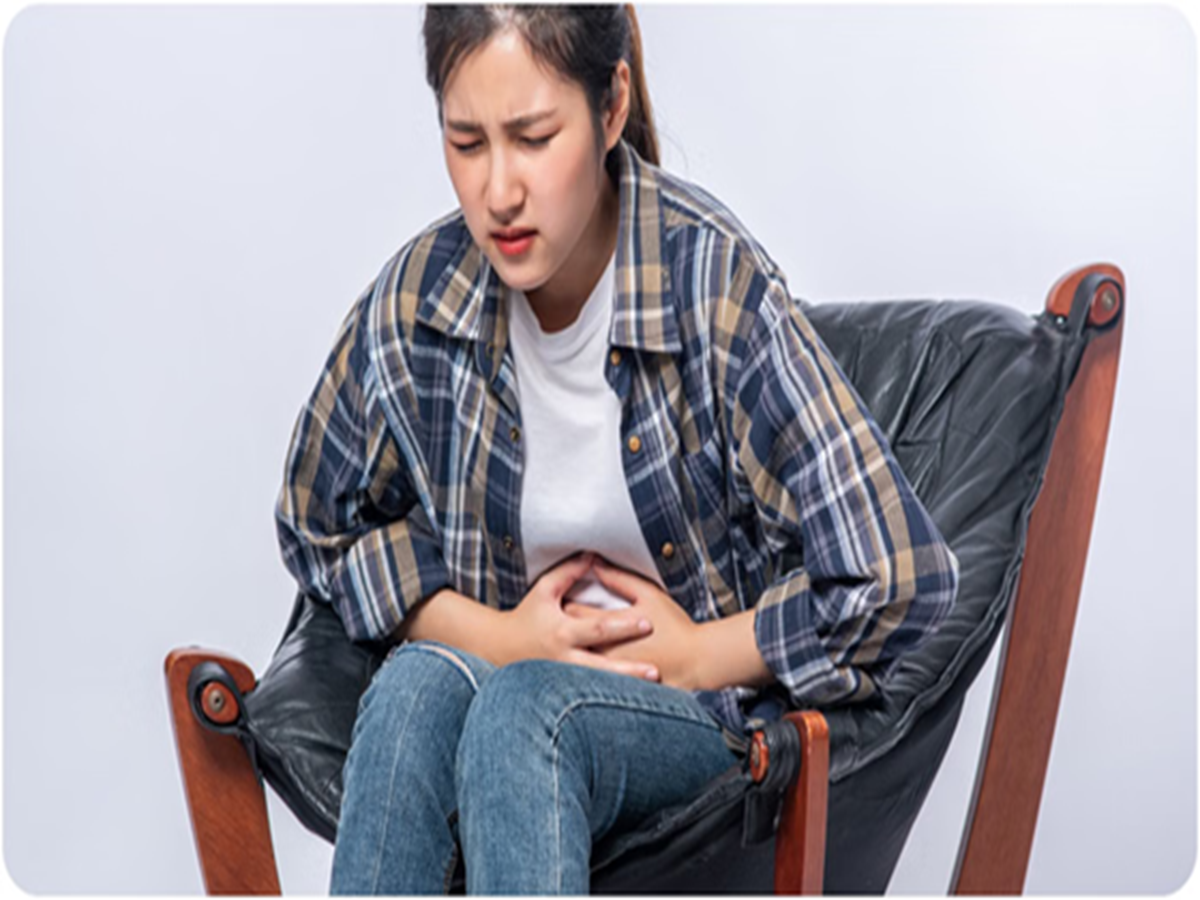
The rainy season brings various illnesses along with it. As soon as the monsoon begins, the number of patients suffering from stomach pain, vomiting, diarrhea, and food poisoning rises sharply in hospitals. Many people even require hospitalization due to food poisoning. Consuming roadside juices or food that has been left out for long periods exacerbates this issue.

The problem is that when experiencing stomach pain, most people cannot distinguish between simple indigestion and the onset of food poisoning. Some ignore repeated bouts of vomiting and diarrhea, leading to rapid loss of fluids and electrolytes from the body. People often take painkillers or antibiotics without consulting a doctor when they have stomach pain, which can worsen the condition.
**Stay Alert During the Rainy Season**
Bacteria such as *Salmonella* and *E. coli* multiply rapidly during the rainy season. Consuming water or food contaminated with these bacteria poses a risk of food poisoning. That is why health experts advise maintaining food hygiene, drinking clean water, and eating fresh food during the monsoon.
Doctors state that if the early signs of food poisoning are recognized in time, most patients recover within a few days. However, if symptoms are severe or persist for a long time, it is crucial to consult a doctor immediately.
**Risk of Food Poisoning During Monsoon**
High humidity levels in the atmosphere during the rainy season promote the rapid growth of bacteria, viruses, and fungi. If food is kept at room temperature for extended periods, harmful microorganisms begin to thrive in it.
Roadside food, contaminated water, and uncovered fruits and vegetables can lead to infections.
Flies are also more prevalent during the monsoon; they pick up bacteria from filth and transfer them to food.
This is why cases of diarrhea, vomiting, and stomach infections increase during this season.
**How to Distinguish Between Ordinary Stomach Pain and Food Poisoning?**
General stomach pain is often caused by gas, indigestion, or overeating and usually resolves on its own. However, if the pain is accompanied by frequent vomiting, diarrhea, nausea, fever, weakness, or abdominal cramps, it could be a sign of food poisoning.
In some cases, symptoms may also include blood in the stool and high fever.
If symptoms persist for more than 1–2 days or signs of dehydration appear, you should consult a doctor immediately.
What to do if you have food poisoning?
If symptoms of food poisoning appear, the priority is to prevent dehydration. Keep consuming ORS solution, clean water, coconut water, and other fluids.

Initially, eat light and easily digestible food.
Do not take antibiotics or anti-diarrheal medication without a doctor's advice.
Seek immediate medical attention if symptoms such as persistent vomiting, high fever, or blood in the stool occur.
PC Social Media