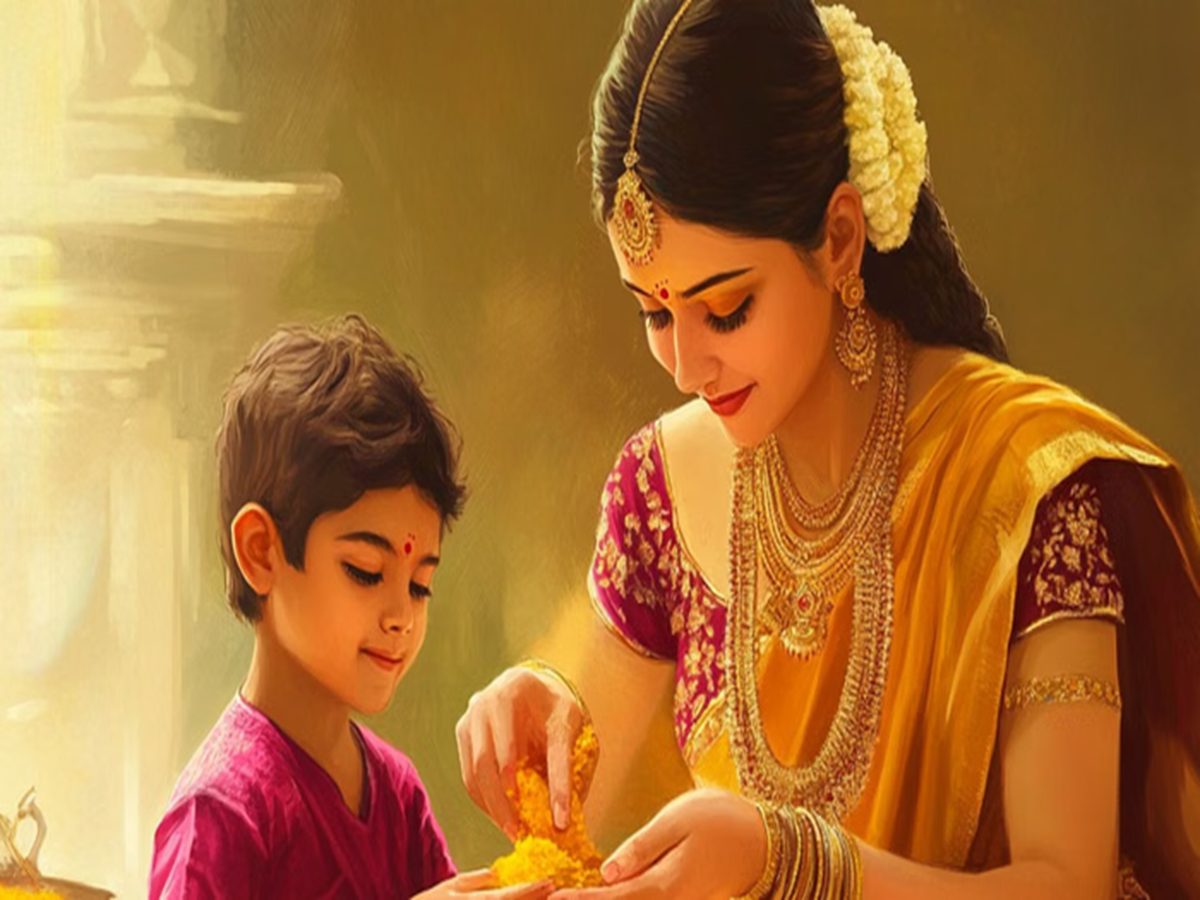

Hartalika Teej Daan (Charity): Hartalika Teej is one of the most significant fasts observed by women in the Hindu religion. This fast is observed on the *Tritiya Tithi* (third day) of the *Shukla Paksha* (waxing phase of the moon) in the month of Bhadrapada. On this day, married women worship Lord Shiva and Goddess Parvati, praying for a blissful married life and the longevity of their husbands. According to religious belief, Goddess Parvati performed severe penance to attain Lord Shiva as her husband; hence, Hartalika Teej is associated with love, devotion, and enduring marital bliss.
Apart from fasting and worship, acts of charity and almsgiving hold special significance on this day. It is believed that donating useful items to the needy—according to one's faith and capacity—earns spiritual merit. Let us explore which items are considered auspicious to donate on Hartalika Teej.
What is the significance of charity on Hartalika Teej?
Hartalika Teej is not merely a festival of fasting and worship; it is also associated with service and acts of charity. According to religious beliefs, helping the needy with devotion and donating useful items on this day yields positive results. However, the most important factors when donating are faith and one's capacity; donating expensive items is not mandatory. The festival can be made meaningful by donating food, fruits, clothing, *suhag* items (symbols of marital bliss), or worship materials, according to one's means.
*Suhag* Items (Symbols of Marital Bliss)
Donating items associated with marital bliss (*suhag*) is considered auspicious on Hartalika Teej. These items can include *sindoor* (vermilion), *bindi*, bangles, *kajal* (kohl), combs, anklets, and toe rings. It is believed that donating such items is an expression of the wish for happiness and harmony in married life.
*Shringar* Items (Adornment/Beauty Items)
Goddess Parvati is also worshipped as the deity of marital bliss and adornment (*shringar*). Therefore, on the occasion of Teej, it is considered auspicious to donate *shringar* items such as red or green *chunri* (scarves), *mehndi* (henna), bangles, and *alta* (red dye for hands and feet). You may gift these items to a married woman according to your capacity.
**Betel Leaf and Areca Nut**
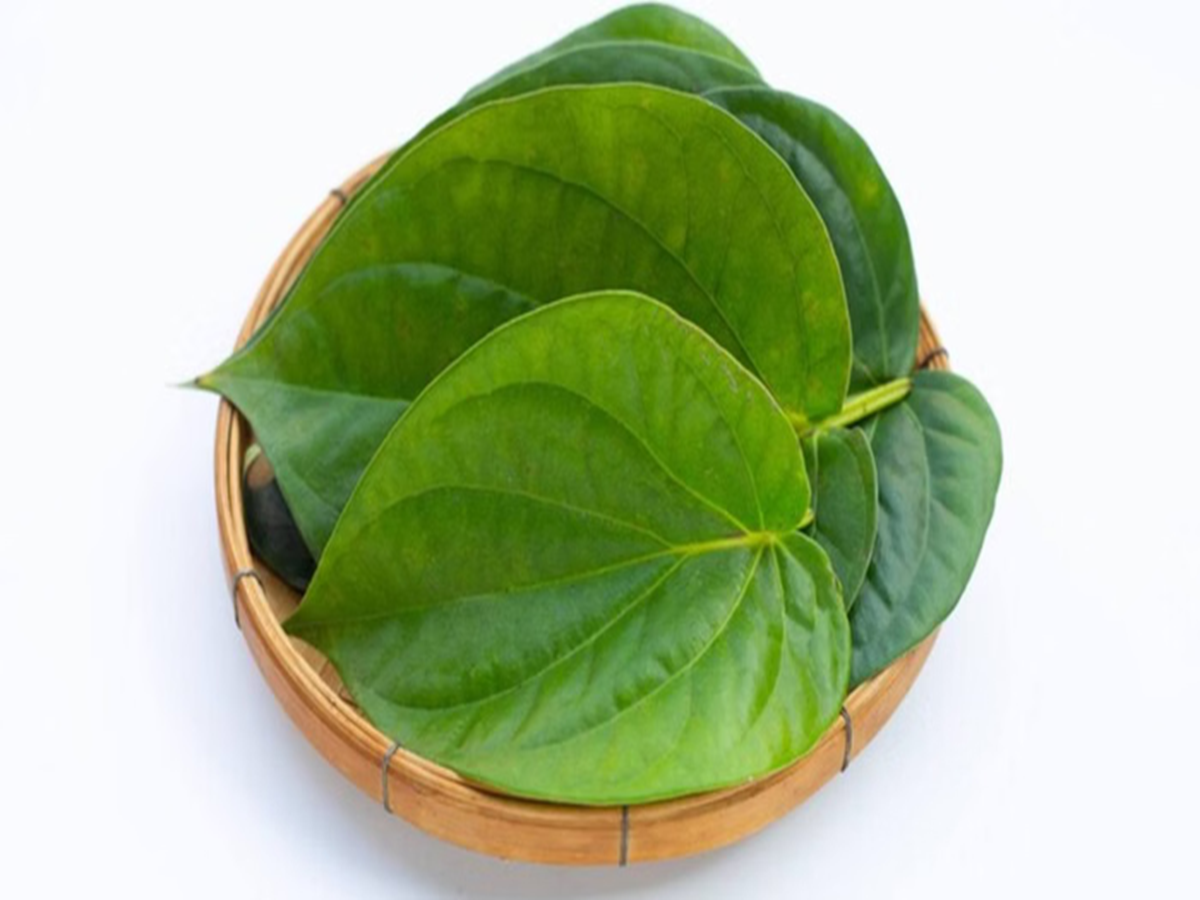
In Hindu worship rituals, betel leaves and areca nuts are considered auspicious items. They are also used during the Hartalika Teej puja. In some regions, there is a tradition of donating betel leaves and areca nuts on this day; this act is associated with the wish for happiness and mutual harmony in married life.
**Clothing and Fruits**
Donating clothing and seasonal fruits to the needy is another act of charity performed on Teej. If one has the means, garments in green or other auspicious colors can be donated. Donating fruit is not only a simple gesture but also highly beneficial for the recipient.
**Food Grains and Provisions**
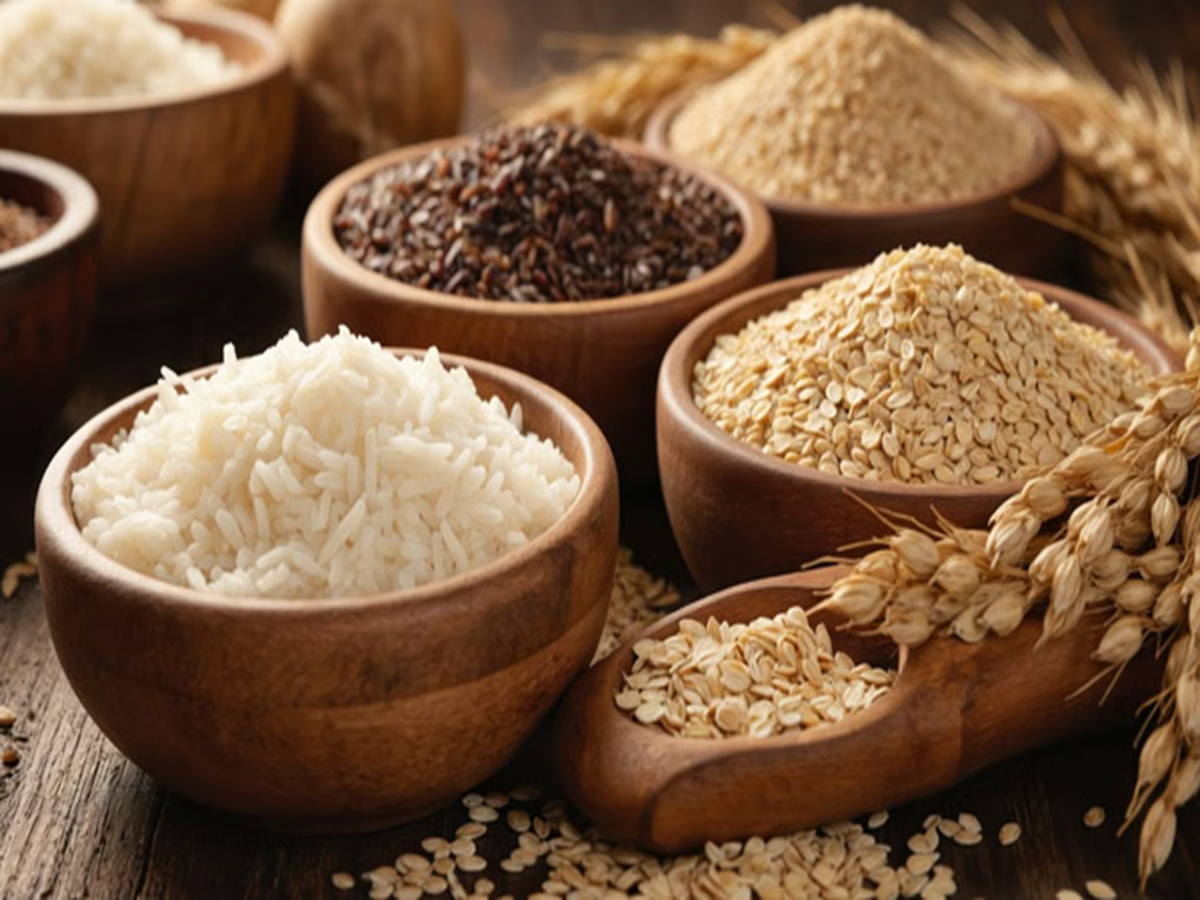
The donation of food grains (*Annadan*) is considered a significant act of charity in Hinduism. On Hartalika Teej, items such as wheat, rice, lentils, flour, jaggery, sweets, or other essential food supplies can be given to the needy. It is believed that donating food ensures continued prosperity and abundance in one's household.
**Worship Materials**
Items used for worship—such as incense, camphor, lamps, coconuts, *kalash* (ritual pots), and other ritual materials—can also be donated on Hartalika Teej. Offering such items at a temple or to a needy family is considered an act rooted in faith and devotion.
**Service to Cows and Helping the Needy**
If your means allow, you can serve cows by feeding them fodder on Hartalika Teej. Providing food, clothing, or other necessities to the needy is also considered a virtuous deed. Charity should always be performed according to one's capacity...
PC Social Media