
LIFESTYLE
Hanuman Janmotsav 2026: Hanuman Janmotsav is Today—Note the Auspicious Timings and Worship Rituals..

Today marks the *Purnima Tithi* (Full Moon day) of the *Shukla Paksha* (waxing phase of the moon) in the month of *Chaitra*, and the entire nation is celebrating the birth anniversary of *Pavanputra* (Son of the Wind) Lord Hanuman with great joy and enthusiasm. According to religious beliefs, it was on this very auspicious day that *Bajrangbali*—an embodiment of Lord Shiva himself—manifested from the womb of Mother Anjani.
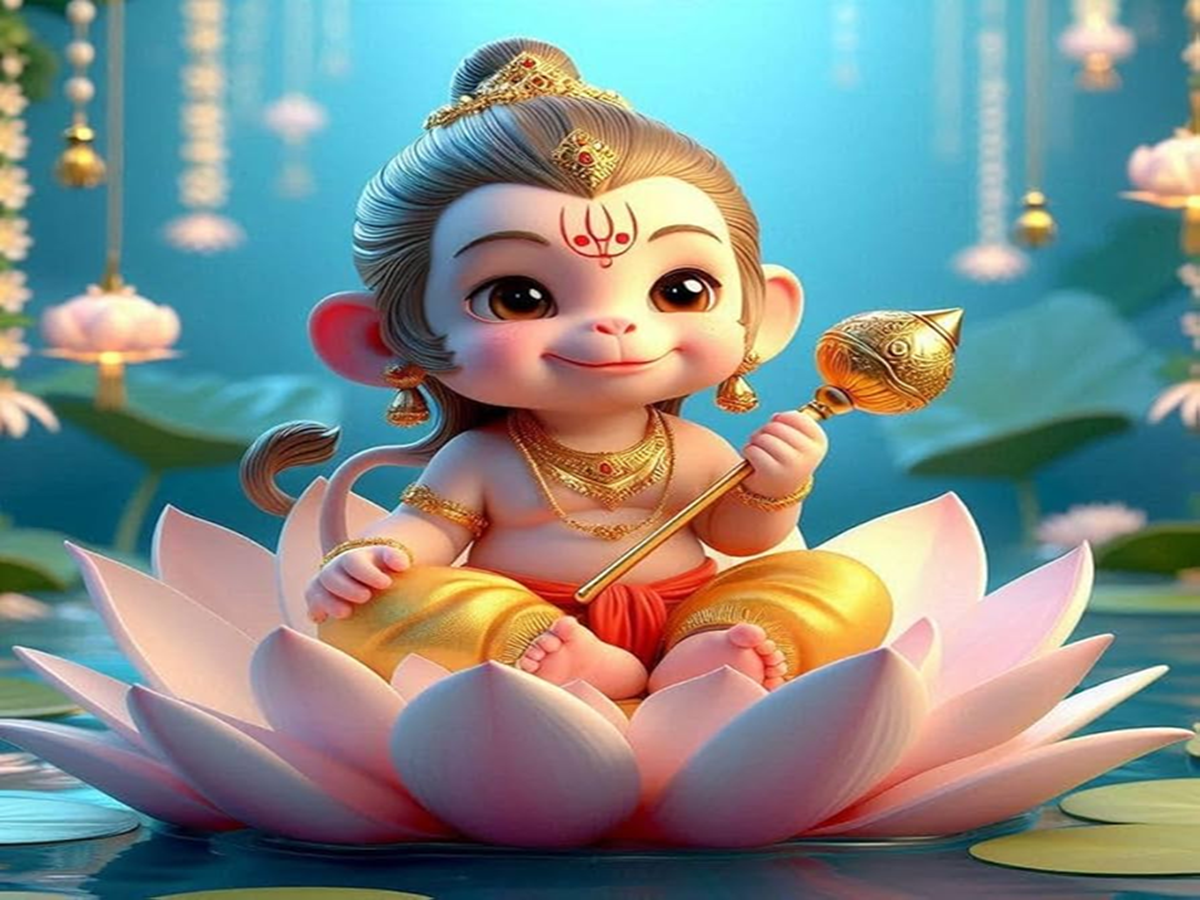
Lord Hanuman is revered as one of the *Rudra Avatars* (manifestations) of Lord Shiva, symbolizing strength, devotion, and selfless service.
According to the *Panchang* (Hindu almanac), the *Chaitra Purnima Tithi* holds special significance this year, as the festival is being observed today based on the principle of *Udaya Tithi* (the prevailing lunar day at sunrise). It is considered highly auspicious to wake up early in the morning, take a ritual bath, and then wear red or orange-colored garments. After dressing, one should fold one's hands in reverence and, with a pure heart, take a solemn pledge (*Sankalp*) to observe the fast.
**Hanuman Janmotsav 2026: Auspicious Timings
**Commencement of Purnima Tithi:** April 1, 2026, from 07:02 AM.
**Conclusion of Purnima Tithi:** April 2, 2026, until 07:42 AM.
**Udaya Tithi:** Since the *Purnima Tithi* remains active until 07:42 AM today (April 2), it is considered most appropriate—in accordance with scriptural traditions—to celebrate the birth anniversary on this very day.
The primary scriptural basis for these religious beliefs and worship rituals lies in our ancient texts, the *Shiva Purana* and the *Skanda Purana*, wherein Lord Hanuman is described as an incarnation of Lord Shiva. Furthermore, the significance of *Udaya Tithi* is derived from texts such as the *Nirnaya Sindhu*, which stipulates that the lunar day prevailing at the time of sunrise is the one considered valid for the observance of festivals.
**Hanuman Janmotsav: Simple Worship Procedure**
Wake up early in the morning, take a ritual bath, and wear clean garments—preferably in red or orange, the colors beloved by *Bajrangbali*.
Holding a small amount of water in your hands, take a solemn pledge (*Sankalp*) for the fulfillment of your wishes and for the observance of the fast (if you intend to fast).
Place a wooden pedestal (*Chowki*) at your designated place of worship; spread a clean white cloth over it, and then install an idol or framed image of Lord Hanuman upon it. Light a lamp filled with pure ghee before Lord Hanuman and offer incense sticks or *dhoop*.
Offer red vermilion (*sindoor*), sandalwood paste, and jasmine oil to Bajrangbali. On this day, offering him a *sindoori chola* (vermilion-colored vestment) is considered highly auspicious.
Perform a symbolic ritual bath (*abhishekam*) for the deity using *Panchamrit*, and then offer *Besan* or *Boondi* *laddoos* as *Bhog* (sacred food offering). You may also offer jaggery and roasted gram (*Gur-Chana*).
Using a prayer rosary (*mala*), chant the mantra 'Om Ham Hanumate Namah' at least 108 times. You may also chant the Hanuman Gayatri Mantra to invoke courage.
With deep reverence, recite the Hanuman Chalisa, Bajrang Baan, or Sundarkand.
Finally, perform the *Aarti* of Lord Hanuman using a camphor flame or a ghee lamp, and distribute the *Prasad* (sacred offering) among all family members.
PC Social Media