FASHION
Hair Care: Do you wear a helmet in the rain? Take care of your hair; it could increase the risk of hair loss..
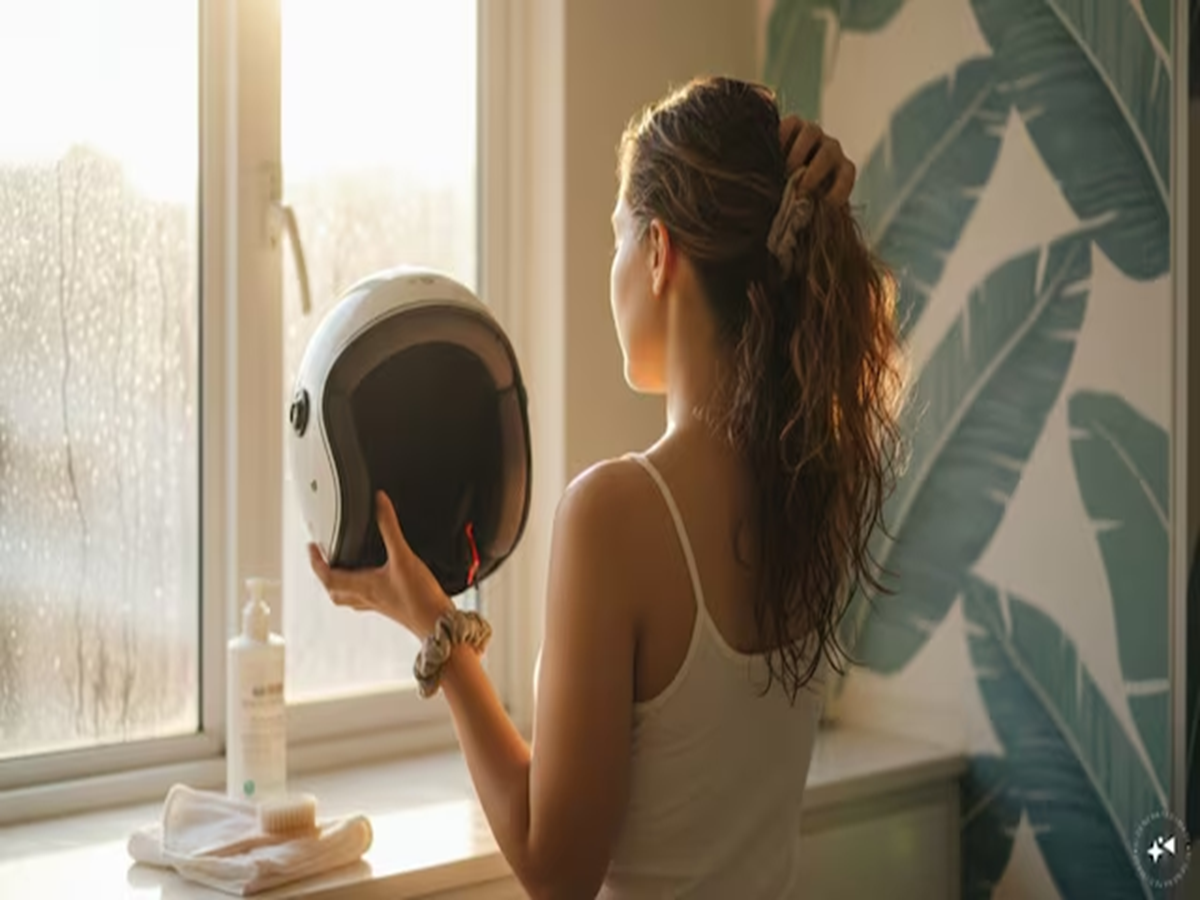
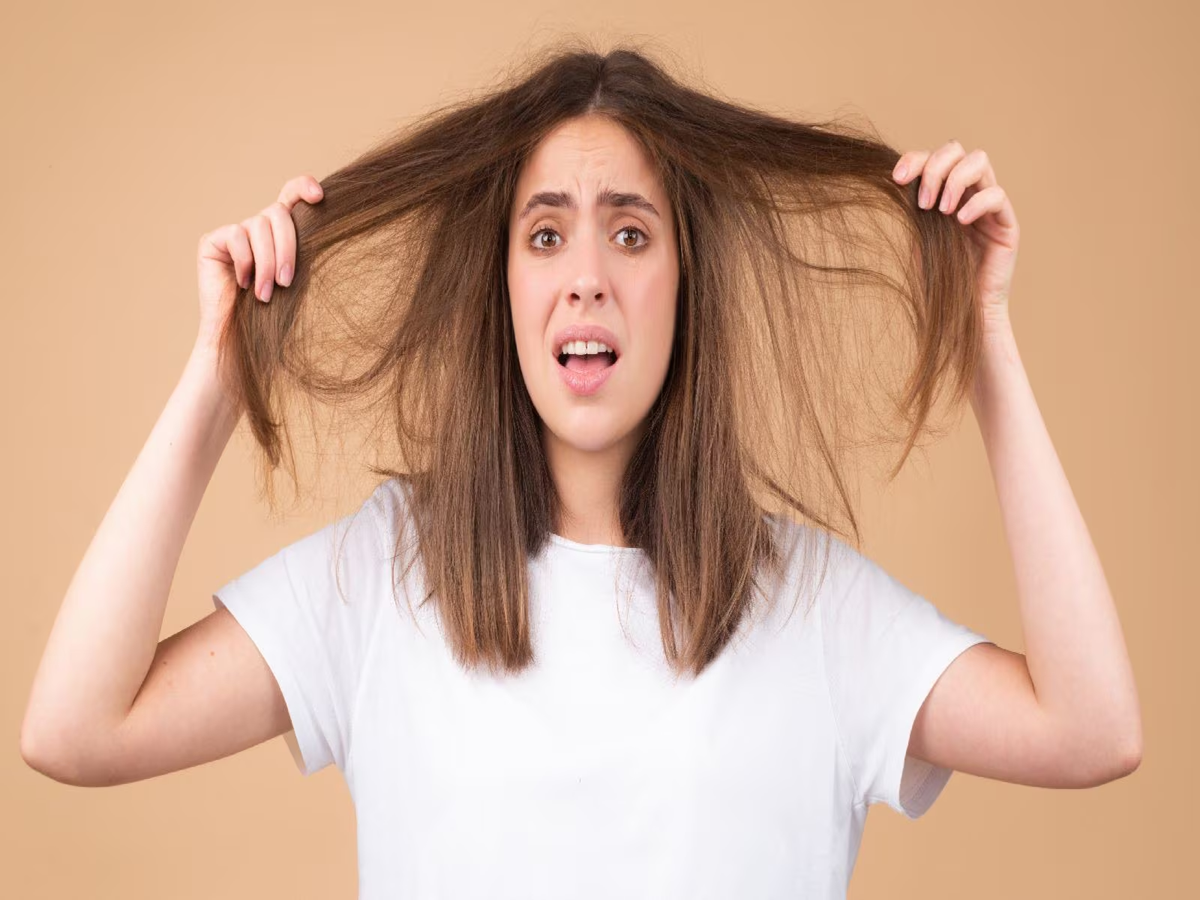
Monsoon Hair Care for Helmet Users: With the arrival of the monsoon, helmet wearers face increased issues like sticky hair, sweat odor, and an itchy scalp. Wearing a helmet for extended periods daily restricts airflow to the scalp. Compounding this, monsoon humidity can further aggravate hair and scalp health. Many people worry about hair loss during this time and try various home remedies; however, correcting a few small habits can be more beneficial than an elaborate care routine.

A hair care routine is essential for those who commute daily by bike or scooter for office, college, or work. Common mistakes include wearing a helmet over wet hair, leaving a sweat-soaked scalp unwashed for too long, and neglecting helmet hygiene. Let’s look at how helmet wearers can care for their hair during the monsoon.
**Hair Care Tips While Wearing a Helmet**
First and foremost, avoid wearing a helmet over wet hair during the monsoon. People often rush and tuck wet hair inside the helmet, which keeps the scalp damp for a prolonged period and increases hair stickiness. Try to wear the helmet only after your hair has dried completely. If you need to wear a helmet for several hours daily, avoid tying your hair too tightly; tight ponytails or buns can strain the hair roots. It is better to tie your hair loosely while commuting.
**Cleaning the Helmet Is Also Crucial**
Hair care isn't limited to just shampooing and oiling. Sweat, dust, and oil can accumulate on the helmet's inner lining. If not cleaned regularly, this accumulated grime comes into contact with your scalp again. Therefore, clean the helmet's lining regularly according to the manufacturer's instructions and ensure it is completely dry before use; if the helmet has removable pads, cleaning them becomes much easier. Also, avoid sharing your helmet with others.
What to do if you sweat excessively?
Sweating on the scalp is common during the monsoon due to heat and humidity. If your scalp is drenched in sweat after returning home, do not leave your hair in that state for too long. Cleanse your scalp with a mild shampoo as needed; washing your hair with shampoo every single day is not necessary. Determine the frequency of hair washing based on how oily your scalp is and how much you sweat. Apply shampoo primarily to the scalp and avoid vigorously rubbing the lengths of your hair.
Don't forget to use conditioner
Frequent washing can make the lengths of your hair feel dry. In such cases, you can apply conditioner to the lengths and ends of your hair after every wash. It is better to apply it to the hair strands rather than the scalp. Regarding oiling, wearing a helmet for hours after applying excessive oil is not a good habit; if you do use oil, apply it for a short while before washing your hair and ensure the scalp is thoroughly cleansed afterwards.
Don't panic if you experience hair loss during the rains, but don't ignore it either
Many people notice increased hair loss during the monsoon. It would be incorrect to blame the helmet alone for this. Factors such as humidity, scalp condition, hair care routine, stress, diet, and other issues can also affect hair health. If you experience persistent scalp itching, redness, flaking, or excessive hair loss, it is better to consult a dermatologist rather than relying solely on home remedies.
Adopt simple daily habits
After returning home from the office, place your helmet in an open area so that any accumulated moisture can dry out. Instead of rubbing your hair vigorously with a wet towel, dry it gently. Also, avoid pulling your hair while combing.
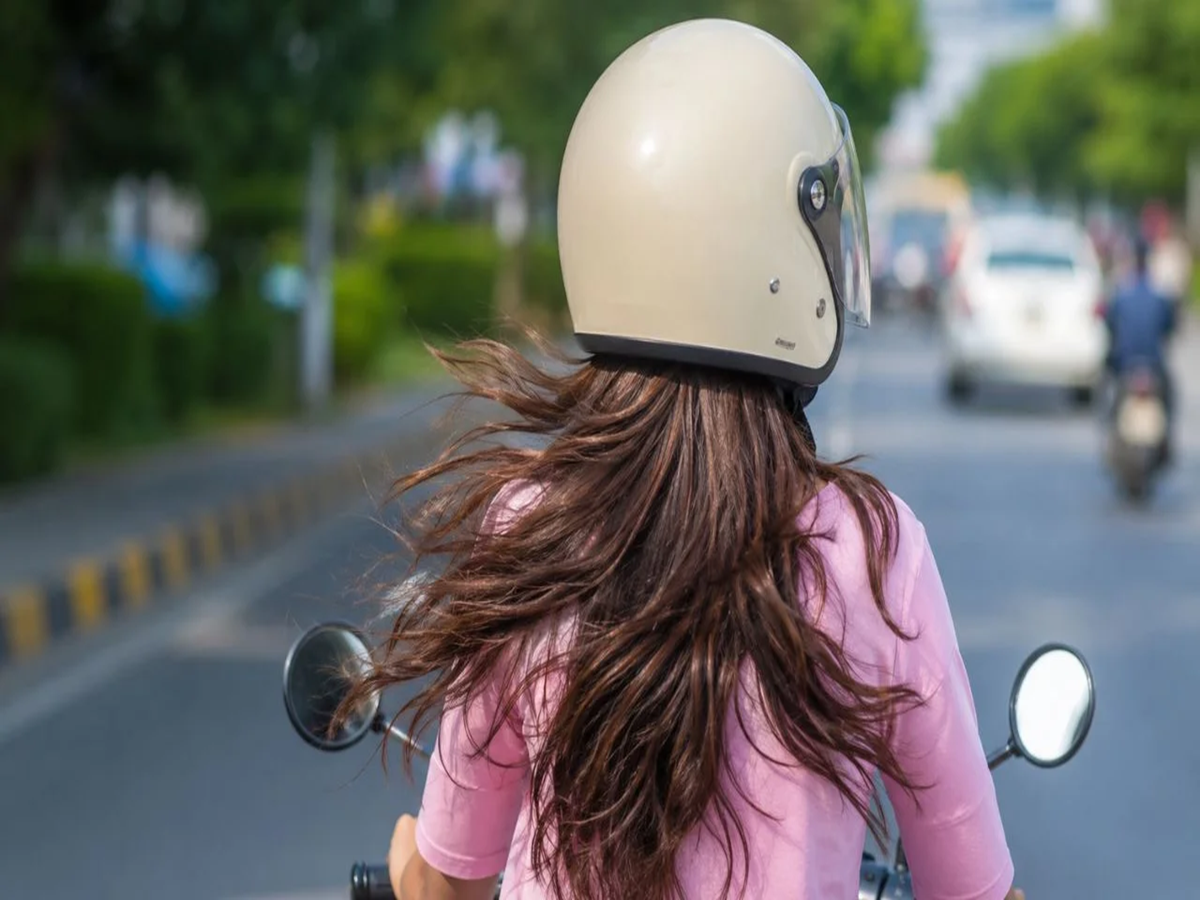
Additionally, ensure your daily diet includes sufficient protein, fruits, vegetables, and water. Hair health does not depend solely on products applied externally; a clean scalp, dry hair, a clean helmet, and a balanced hair care routine can be very beneficial during the monsoon.
PC Social Media