
LIFESTYLE
Green leafy vegetables are beneficial for health, but take these necessary precautions during the rainy season..
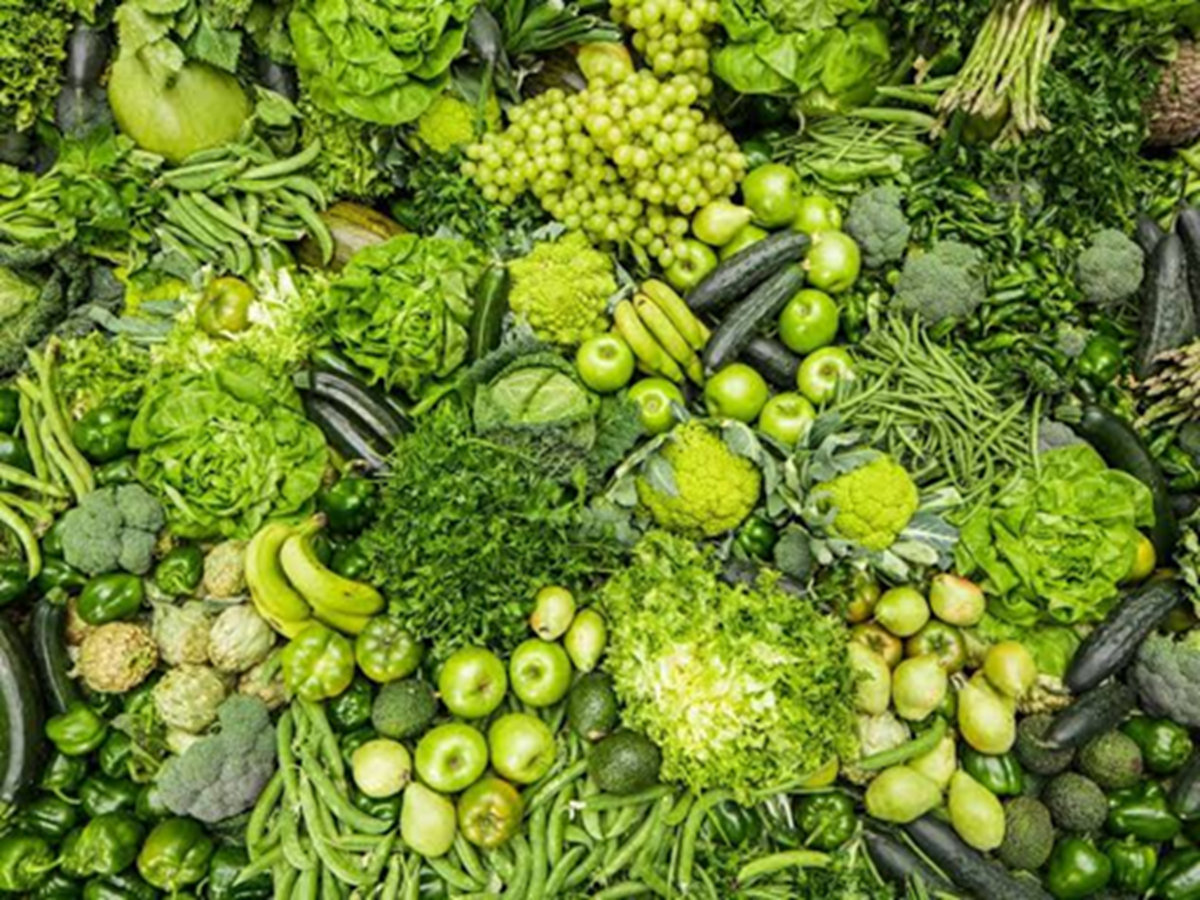
As the monsoon season begins, various types of leafy greens (*bhaji*) start appearing in households. In Chhattisgarh, these greens hold a special place in the local diet, with different varieties prepared in almost every home. However, special caution is required regarding these greens during the rainy season. Greens that grow close to the ground can become contaminated through contact with stagnant rainwater and filth. Consuming them raw or without proper cleaning can lead to various digestive issues, increasing the risk of ailments such as diarrhea, loose motions, vomiting, and indigestion. Therefore, paying close attention to how these greens are cleaned and cooked during the monsoon is essential.
**Advice on avoiding raw greens during the monsoon**
According to Dr. Aastha Mishra, an Ayurveda Medical Officer at the Government Ayurveda Dispensary (Junior Line) in Bilaspur, consuming any kind of raw food is not considered entirely safe during the rainy season. There is a higher likelihood of contamination, especially with greens that grow very close to the ground. Water accumulates in many places during the rains, and this stagnant water can become a primary source of infection and contamination.
**Pay special attention to hygiene when consuming greens**
Dr. Aastha Mishra emphasized that if one consumes leafy greens during the monsoon, hygiene is paramount. The leaves should be separated and cleaned thoroughly. One can also soak the greens in warm water mixed with salt for a short while. Thorough cleaning followed by proper cooking can significantly reduce the risk of potential adverse effects.
**Contaminated greens can disrupt the digestive system**
Consuming contaminated or infected greens during the monsoon can adversely affect the digestive system, leading to issues such as loose motions, diarrhea, vomiting, and indigestion. Furthermore, a compromised digestive system can pave the way for other health problems. Experts state that while the risk of infection during the monsoon season cannot be entirely eliminated, taking a few precautions can significantly protect against associated illnesses.
**Wash in hot water and cook thoroughly before eating**
According to Ayurvedic doctors, the potential adverse effects of leafy greens (*bhaji*) can be minimized by soaking them in hot water for a while after cleaning and then cooking them thoroughly. Therefore, ensuring cleanliness, washing them well with hot water, and cooking them adequately is crucial when consuming leafy greens during the monsoon.
**A moment of negligence can prove costly**
It is not necessary to completely stop eating leafy greens during the monsoon, but one should not be careless about it. Consuming them without proper cleaning or eating them raw can increase the risk of infections and digestive ailments. Thus, the best approach is to consume leafy greens only after ensuring they are clean and properly cooked.
PC Social Media