LIFESTYLE
Govardhan Puja 2026: What should be done with the cow dung, kheel, and batashe used in Govardhan Puja?
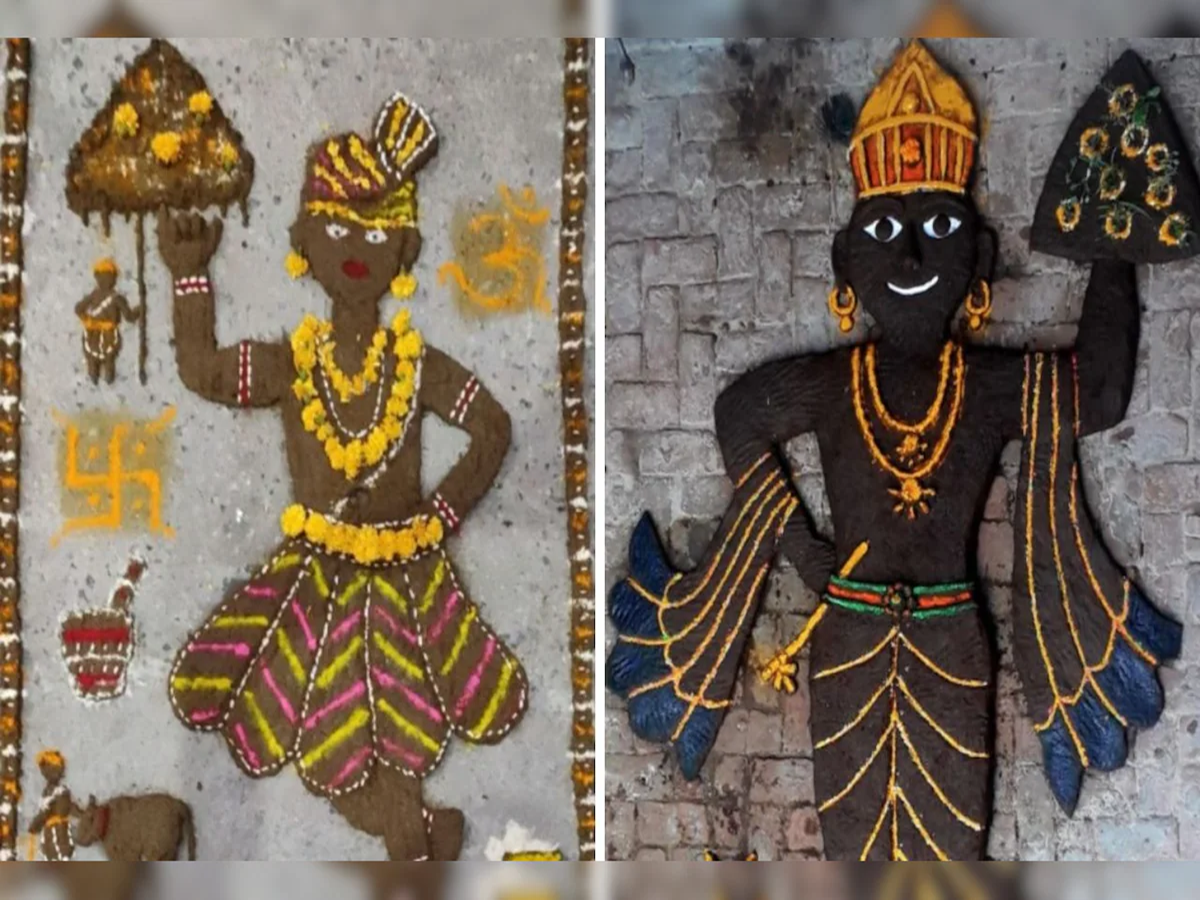
In Hinduism, the festival of Govardhan Puja holds special significance. On this day, representations of Lord Krishna and Mount Govardhan are crafted from cow dung and worshipped. According to religious beliefs, performing this ritual brings prosperity and well-being, leads to auspicious outcomes, and invites the blessings of Lord Krishna.
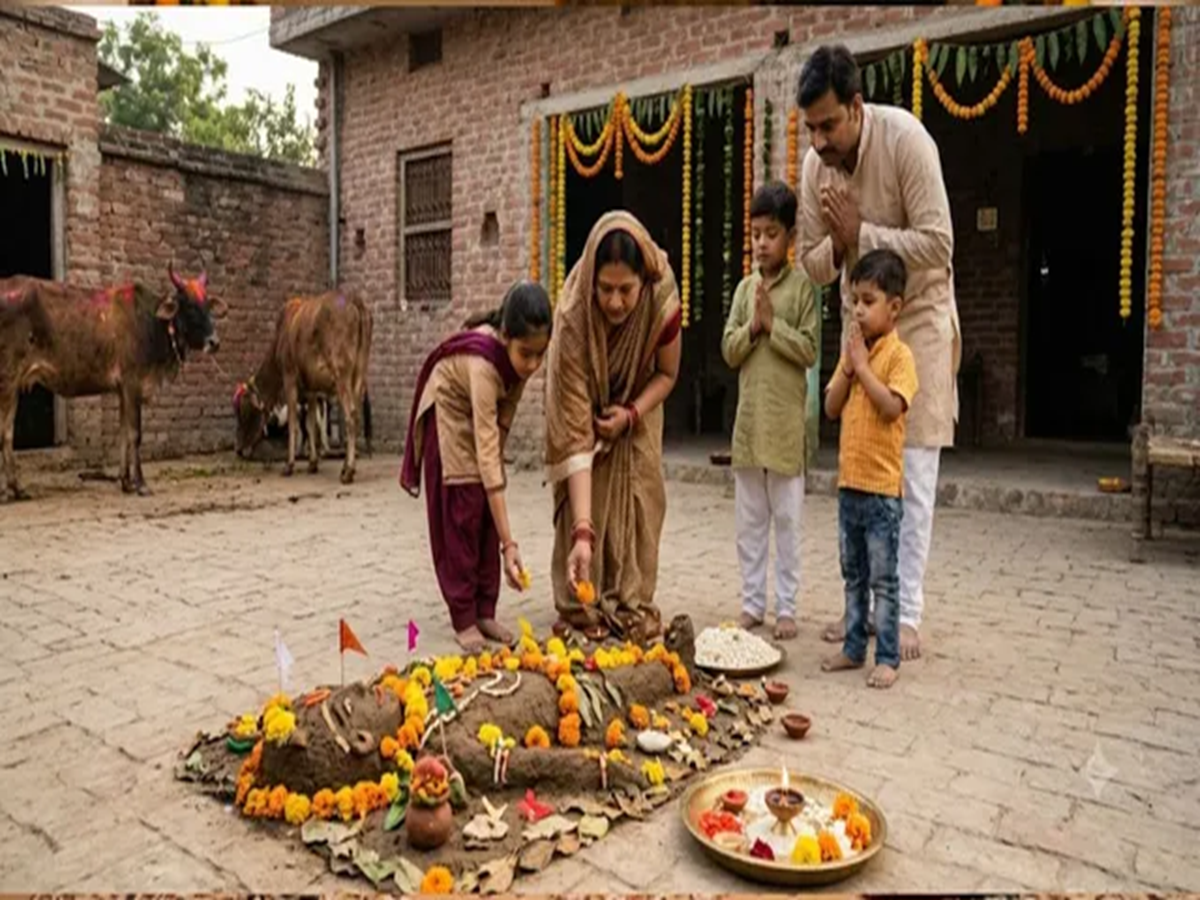
After Govardhan Puja, the cow dung and other materials used to create the representation of Mount Govardhan should be treated with respect, as they are considered sacred and sanctified through worship. In this article, we will guide you on how to properly handle these materials after the festival.
1. What to do with the cow dung?
The most traditional approach is to take the cow dung the day after the puja—on the day of Bhai Dooj—and shape it into small, flat cakes (*uple*), which are then left to dry in the sun. These dried cakes can be used for *havans* (ritual offerings into a sacred fire), other religious ceremonies, or for burning incense (*guggul-dhūp*) in the evenings.
Alternatively, you can mix the cow dung into the soil of your household plants or potted gardens; it serves as an excellent natural fertilizer. If you are unable to make the dried cakes, you may simply place the cow dung near the roots of a tree.
2. *Annakoot* offerings: *Kheel*, *batashe*, and food preparations
The *Annakoot* (a variety of food offerings), *puris*, sweets, *batashe* (sugar drops), and *kheel* (puffed rice) offered during the puja should be shared among all family members as *prasad* (blessed food). Any remaining *kheel* can be used to feed birds.
3. Flowers, garlands, and *durva* (sacred grass)
Never discard the fresh flowers, garlands, *tulsi* leaves, or *durva* grass used in the puja into a trash bin. Instead, allow them to dry and use them as compost for your potted plants, or bury them in the soil near the roots of a sacred tree.
PC Social Media