Business
Gold Price: Will gold fall further? Why are major jewellers not buying, even after it has become 24% cheaper?
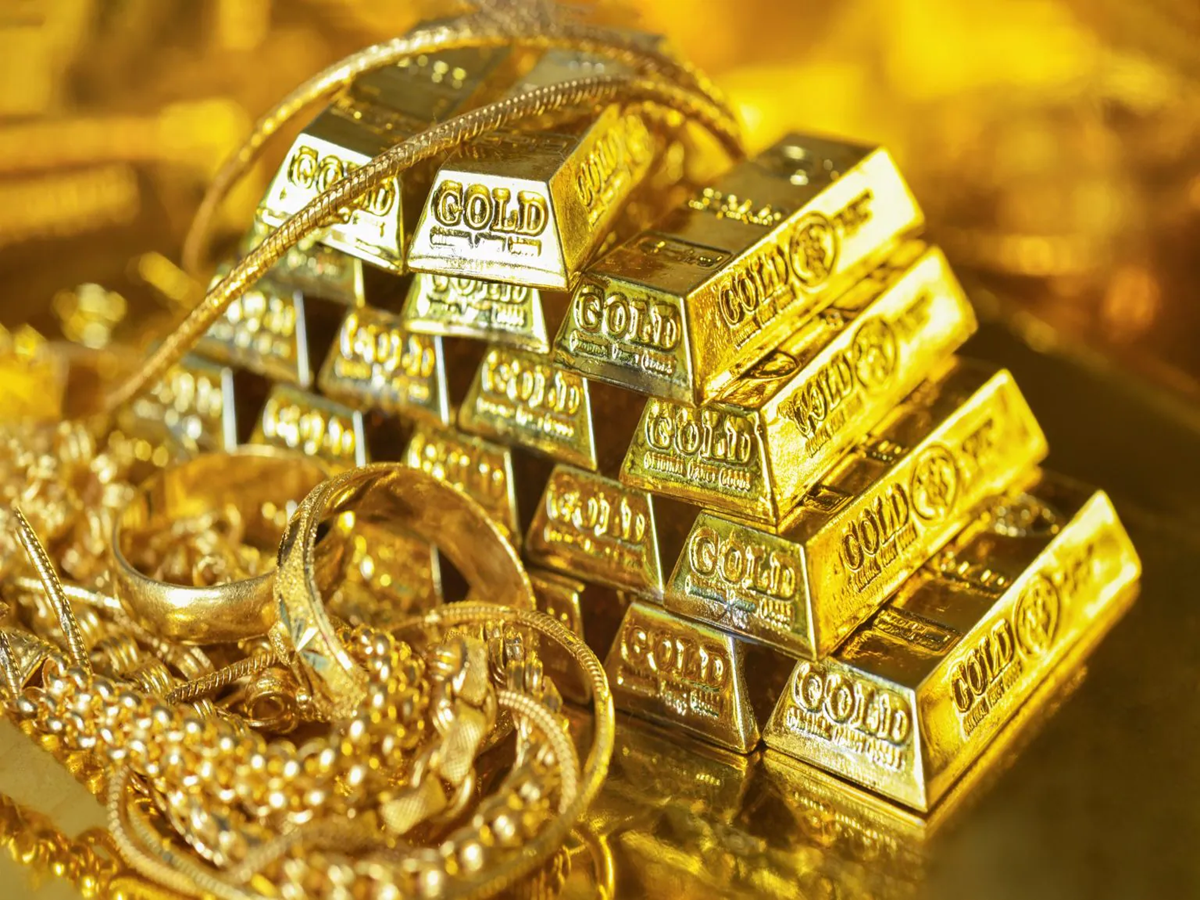
It is rare for the Indian bullion market not to see the glitter of gold during the festive season of Diwali and Dhanteras. However, the market appears subdued this time around. Leaving aside the average consumer, even major jewelers are showing reluctance to purchase gold. Despite a 24% decline in gold prices across both international and domestic markets, jewelers in the country are avoiding large-scale purchases. Typically, when gold prices drop, major jewelers tend to buy significant quantities; however, this time, they have adopted a "wait and watch" approach.
This stance raises a question: is gold set to become even cheaper?
In January of this year, gold reached a record high, surpassing $5,400 per ounce. Since that peak, prices have fallen by approximately 24%. Last week, the price of gold even slipped below the $4,000 per ounce mark. The silence from industry stalwarts, despite such a sharp decline, has left even ordinary buyers wondering what might happen next.
Why are jewelers not buying gold?
According to a report by CNBC Awaaz, Sameet Guha, CEO and Managing Director of MMTC-PAMP India—one of the country’s most prominent bullion refineries—notes that major jewelry companies are currently refraining from aggressive buying. There is a long-standing strategy in the bullion market: when prices are consistently rising, jewelers accumulate stock to hedge against future price increases. Conversely, when there is a sustained downward trend in prices, they assume that the market has not yet hit its absolute bottom. Major jewelers believe that prices could fall further; consequently, they are waiting for the "right time" and the lowest possible price point before making their move. Currently, only small and medium-sized jewelers are purchasing gold, and that too only to meet immediate requirements.
Impact of Import Duty
Domestic policies are also a major factor behind the sluggish demand for gold. In May, the government increased the import duty on gold to 15 percent, which has significantly raised the landing cost of gold in the domestic market. India imports nearly all the gold required for domestic consumption, which contributes to an increase in the country's trade deficit. To address this imbalance, Prime Minister Narendra Modi has, from time to time, urged citizens to limit the import and purchase of non-essential gold. With the hike in import duty, maintaining large inventories has become a costly affair for major jewelers.
Expectations of Weak Demand During the Festive Season
The October–December quarter is considered the peak season for gold in India, driven by festivals like Diwali and Dhanteras, as well as the wedding season. However, with major players holding back, there are concerns that the overall demand during this festive season could be impacted. According to an estimate by Citi Research, India's total gold imports for the October–December period could fall to just 106 tonnes.
Sameet Guha notes that MMTC-PAMP has seen a softening in total sales compared to the same period last year, although there has been a slight pick-up in retail buying during the first fortnight of October. Industry experts believe that once the market signals that gold prices have hit rock bottom—or show signs of a slight reversal—major jewelers may begin making significant purchases again.
PC Social Media