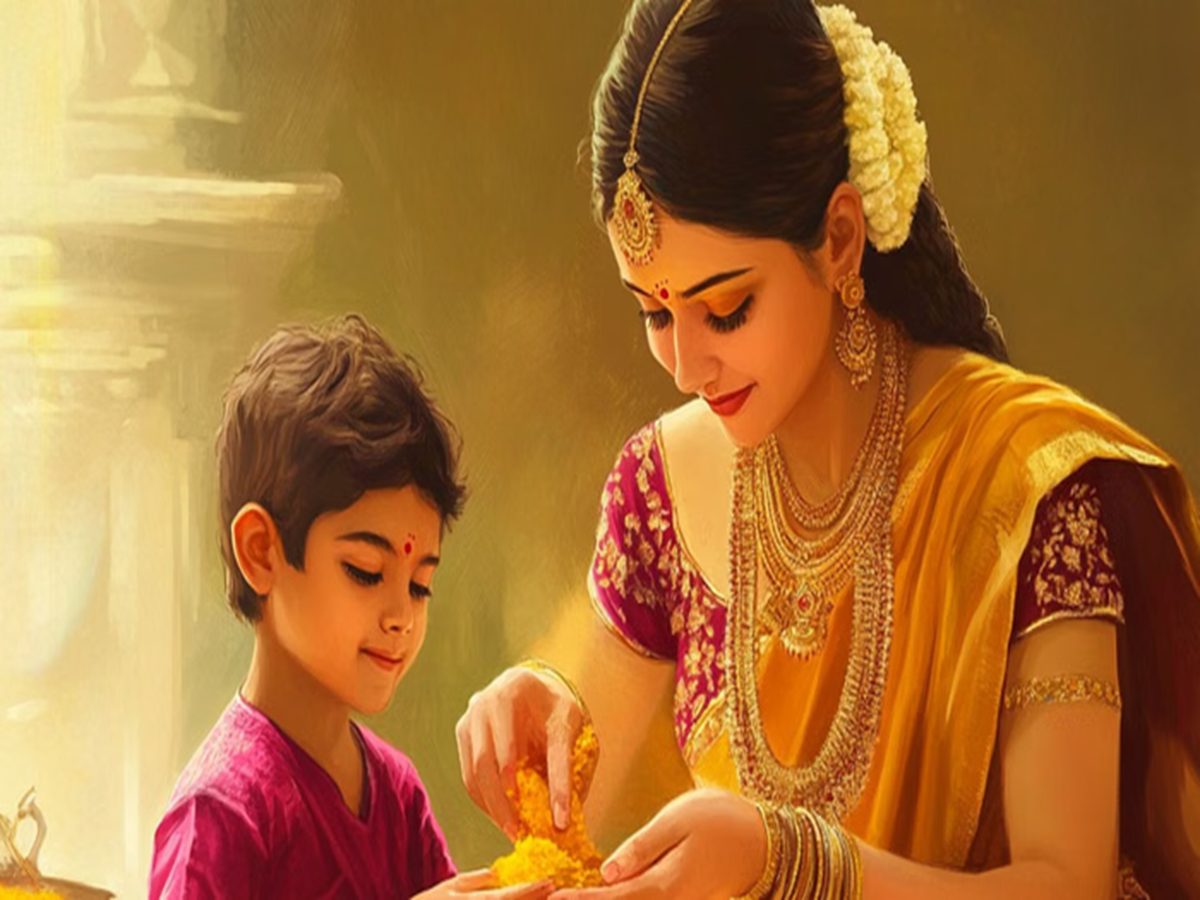
In the Sanatan tradition, the act of charity (*Daan*) has always held special significance. It is an act of nobility, voluntariness, gratitude, and spiritual surrender. Hindu tradition holds that donating any object purifies the mind, thereby uplifting the soul.

Sacred texts like the Bhagavad Gita mention that charity performed with faith and humility brings happiness and prosperity to the individual. It is believed that donating the following five items is even more powerful than donating money at a temple.
**Donation of Food (*Anna Daan*)**
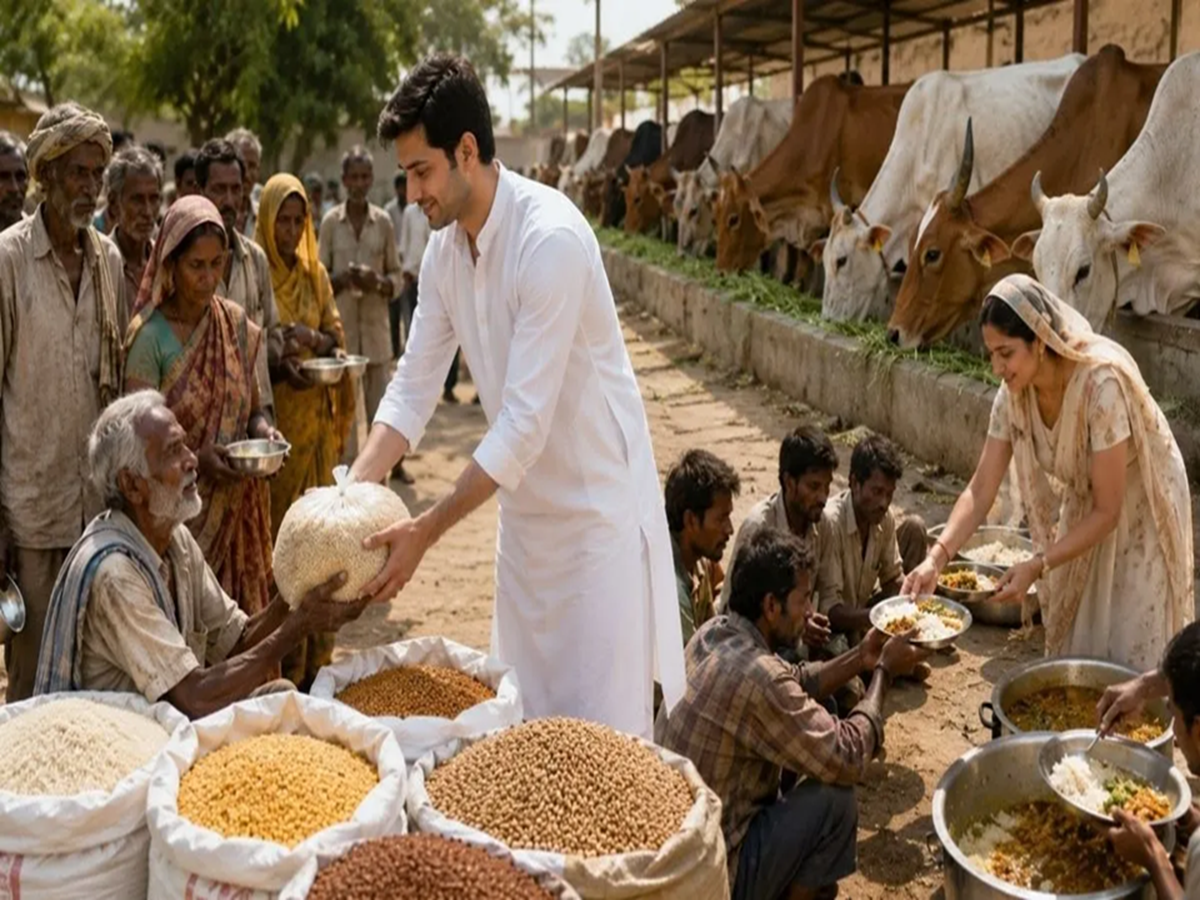
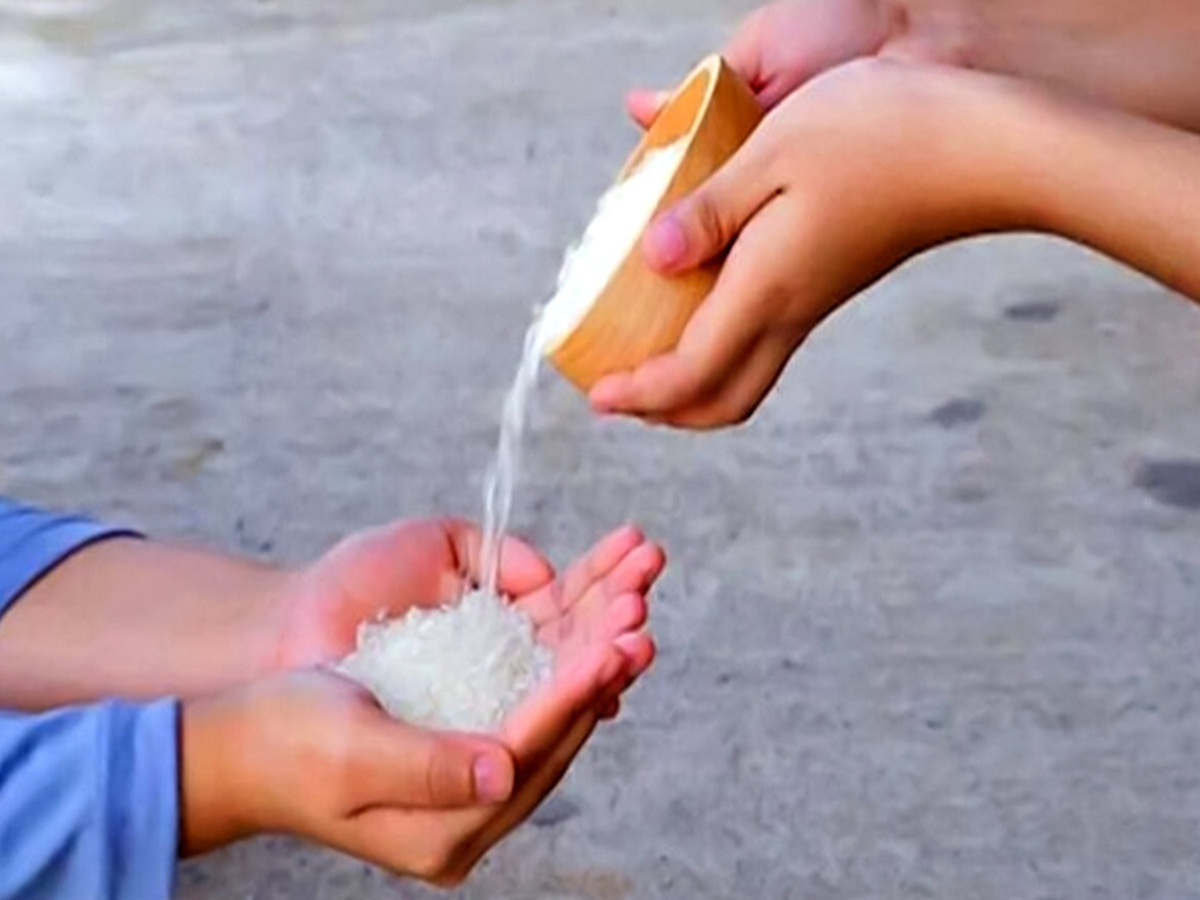
In Hindu tradition, the donation of food is considered the most powerful and supreme form of charity. Donating rice, grains, lentils, or cooked food to a temple not only supports the temple's kitchen, community meals (*langar*), and daily offerings (*bhog*), but also spiritually and physically nourishes the donor.
Hindu Puranas describe food as a form of sacred energy. Donating food at a temple helps alleviate scarcity and fosters karmic balance; it cultivates compassion and reminds devotees that true prosperity comes from feeding others.
**Donation of Clothing**
Donating clothes at temples is also considered highly auspicious. Such donations are vital from both spiritual and social perspectives, symbolizing respect for the human body and compassion for the needy.
Clothes are distributed to temple priests, pilgrims, staff, and local communities, allowing the needy to cover their bodies with dignity. While Indian philosophy regards the body as mortal, respect and humility are eternal. Donating new or gently used clothing helps one let go of ego, arrogance, and the desire for ostentation.
**Significance of Charity**
**Oil or Ghee for Lamps**
Many people donate ghee or oil for temple lamps. In Indian tradition, lamps symbolize awareness and the triumph of light over darkness. When a devotee donates mustard oil, sesame oil, or pure cow's ghee to a temple, they symbolically help keep the flame of knowledge burning. Unlike decorative offerings, these oils are fully utilized, reflecting a spirit of selfless surrender. According to Hindu tradition, lighting a lamp dispels illusion and negative thoughts.
**Donation of Cows**
Caring for cows holds special significance in many temples dedicated to Lord Krishna or Lord Shiva. Contributing fodder, green grass, or grain to the temple's *gaushala* (cow shelter) is considered highly auspicious and noble.
In Hinduism, the cow is revered as a mother figure, symbolizing abundance, gentleness, and motherhood. Supporting the welfare of cows fosters compassion and stability.
**Donation of Time and Service**
Devoting time and service to a temple is considered a profoundly powerful form of offering. Voluntary acts such as cleaning, serving food, assisting the elderly, or helping with temple arrangements constitute *Seva* (selfless service).
Unlike money or material possessions, time cannot be reclaimed. Dedicating time to the Divine cultivates humility in life. Engaging in service dissolves the ego and aligns one's actions with *Dharma* (righteousness). Many devotees find deep inner peace through such silent, selfless service.
PC Social Media