
LIFESTYLE
Food Safety Tips: Is it right to knead dough in bulk and store it in the fridge? Find out the major downsides..
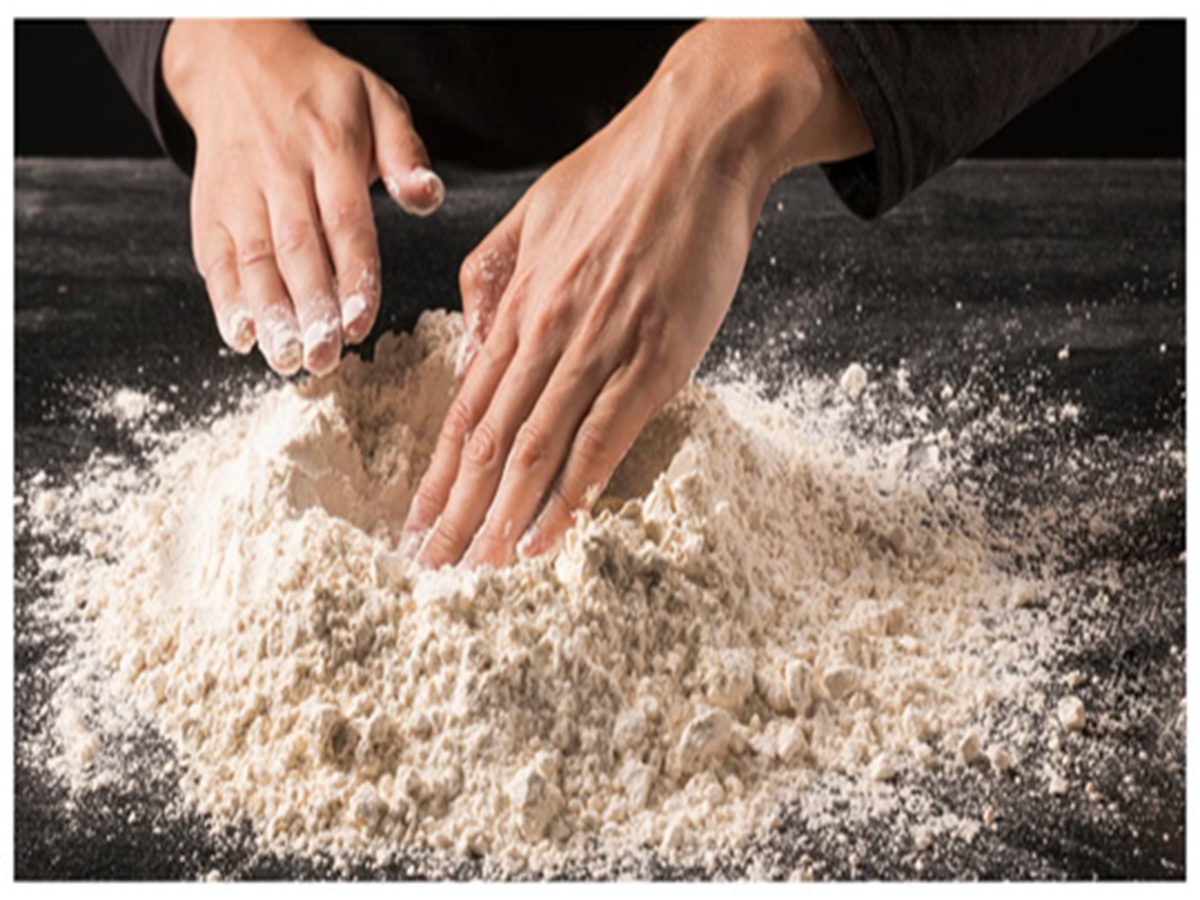
Food Safety Tips: In today's fast-paced life, people adopt various kitchen hacks to save time. One such hack involves kneading dough in bulk, storing it in the refrigerator, and using it hours later when needed. While this method certainly appears easy and convenient, is it equally safe for your health?
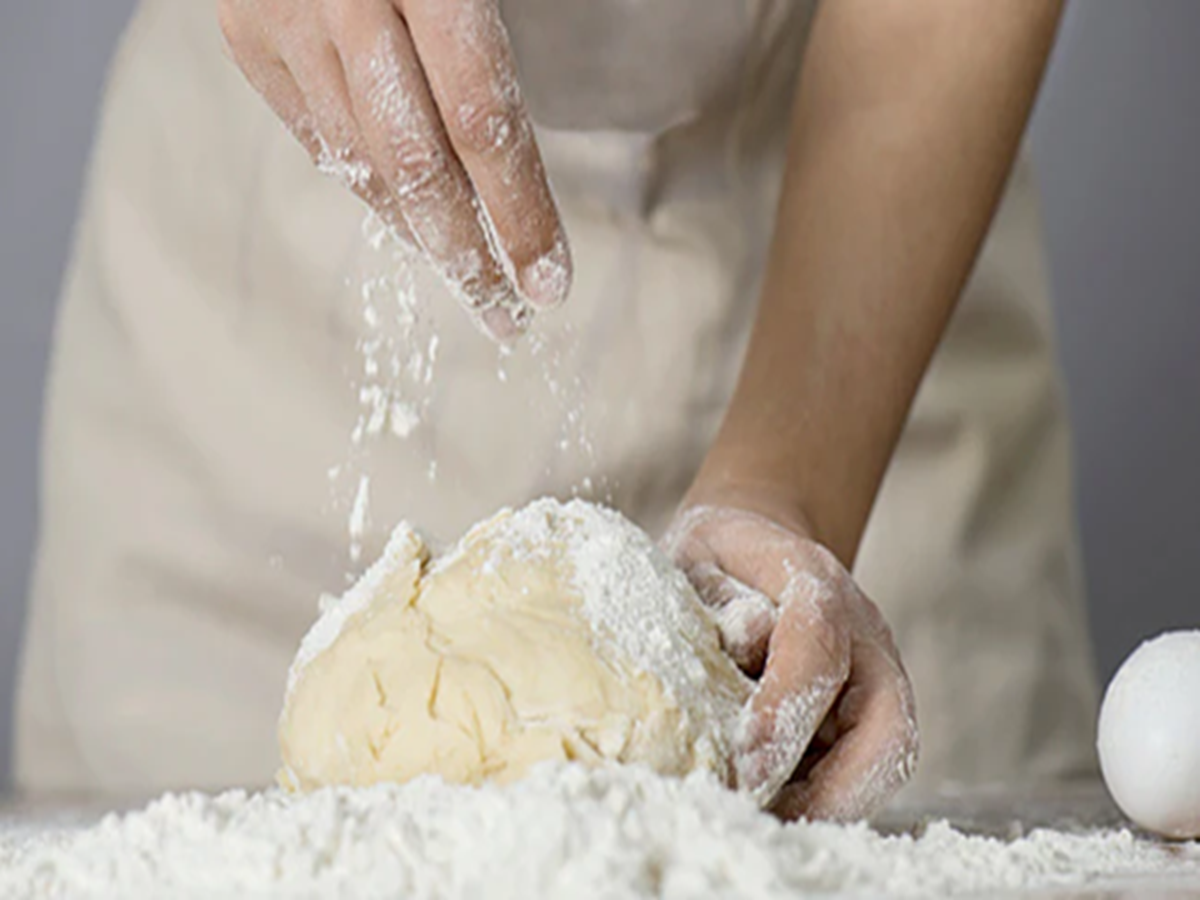
Many consider this an excellent way to save time amidst the daily hustle, but some experts argue that storing kneaded dough in the refrigerator for extended periods can compromise its freshness, nutritional value, and quality. Therefore, it is important to understand how long dough can be kept in the fridge and the correct way to store it.
Let’s explore the key details. Here, we will first discuss the potential downsides in detail and then explain how long dough can safely be stored in the refrigerator.
**Loss of Freshness and Nutritional Value**
When kneaded dough is stored in the refrigerator for a long time, its natural nutrients gradually begin to deplete.
The vitamins and minerals in the dough start losing their quality upon exposure to air and moisture.
Consequently, the resulting roti (flatbread) is not as nutritious as one made from freshly kneaded dough.
The dough also loses its freshness, which affects its taste and texture.
**Onset of the Oxidation Process**
Over time, the process of oxidation can begin in dough stored in the refrigerator.
During this process, the dough's natural components change upon contact with air, potentially altering its color, taste, and aroma.
This directly impacts the flavor of the roti, making it taste bland or giving it an unpleasant, altered taste.
**Increased Risk of Bacterial Growth**
If dough is not stored correctly or is left in the refrigerator for too long, the risk of bacterial and fungal growth increases.
If the dough is excessively moist or left uncovered in the fridge for an extended period, it can spoil even faster.
Consuming such dough can be harmful to health and may lead to digestive issues.
Rotis are becoming heavy and hard to digest
Rotis may feel heavier than usual if made from old flour or flour that has been stored for a long time.
Rotis made from such flour take longer to digest, which can lead to issues like gas, bloating, and indigestion.
This happens due to changes in the flour's composition and a decline in its quality.
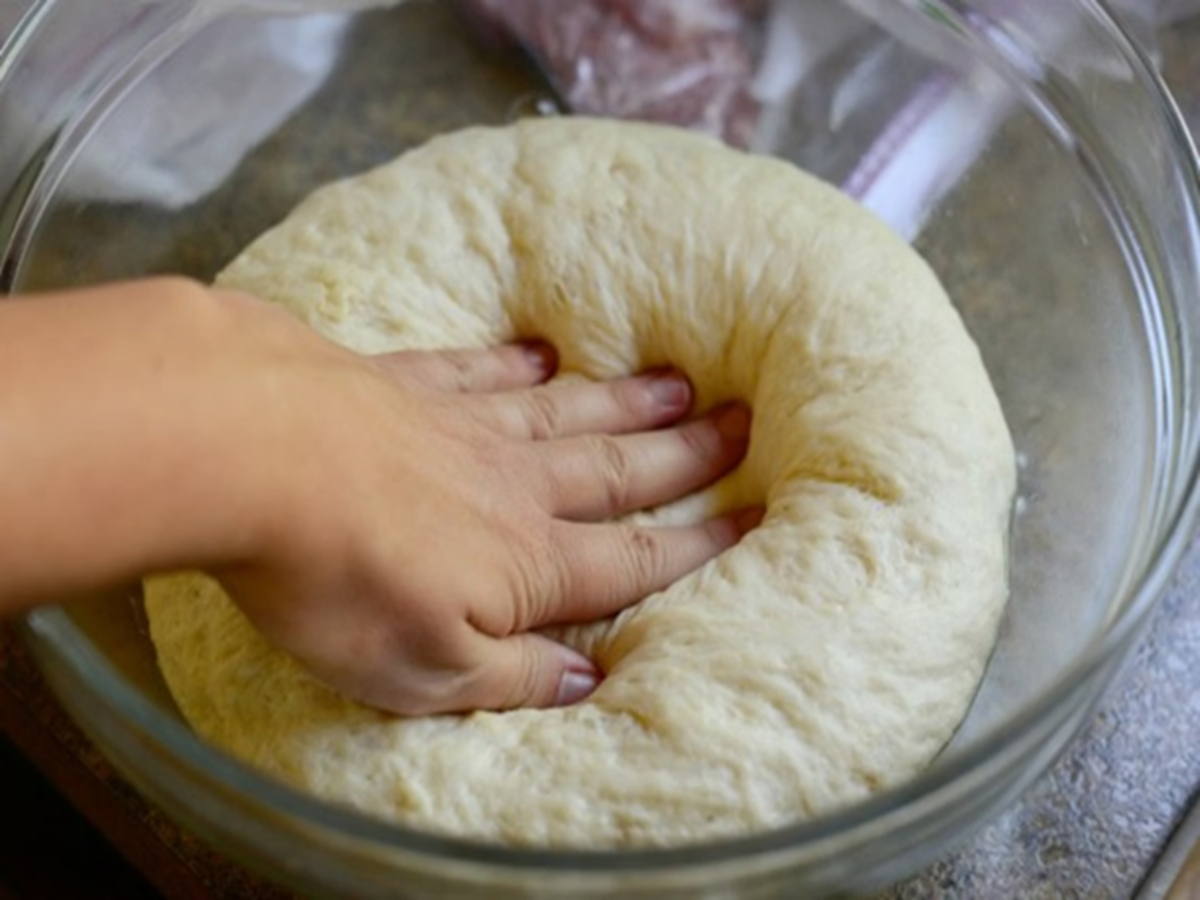
What is the right approach?
Always store flour in a clean, airtight container.
Do not keep it in the refrigerator for more than 8–12 hours.
Knead only the amount of dough required.
Bring the dough to room temperature before use.
PC Social Media