
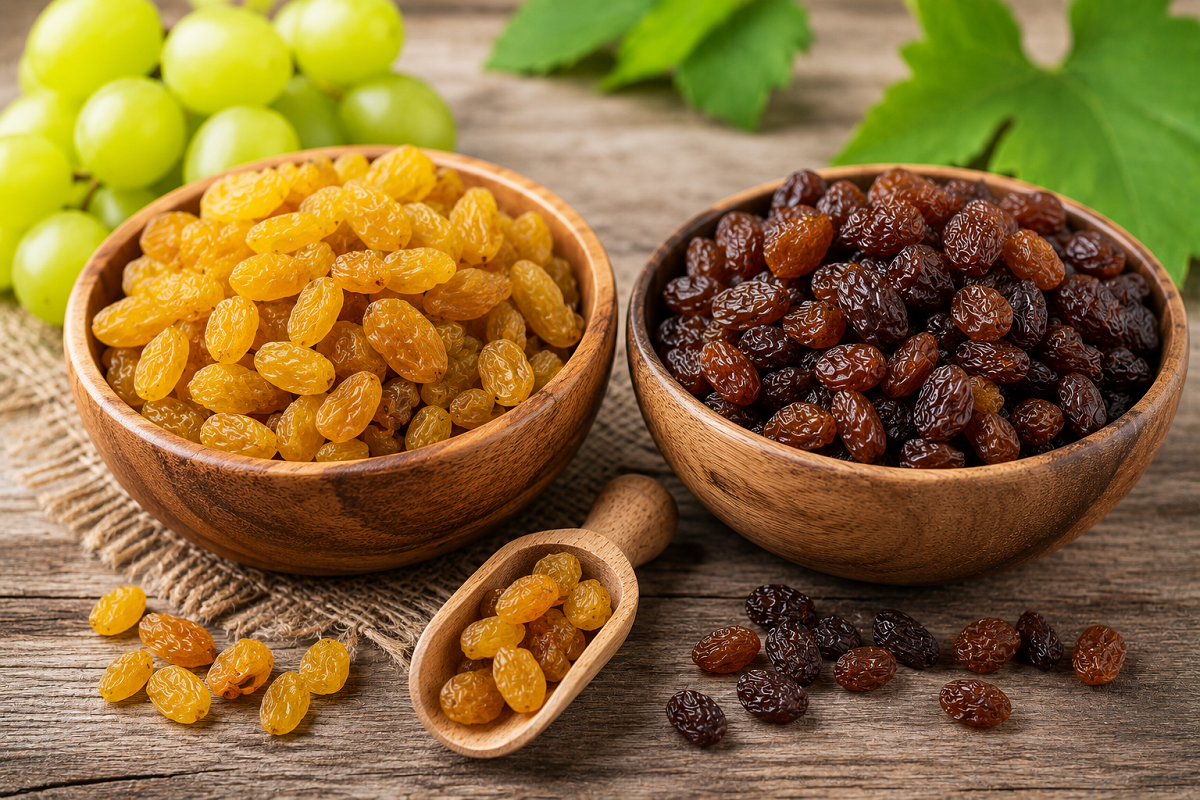
Raisins are among the most popular dry fruits, valued for their natural sweetness and nutritional benefits. They are commonly consumed as a healthy snack and are often included in breakfast, desserts, and traditional recipes. Rich in natural sugars, fiber, iron, and antioxidants, raisins can be part of a balanced diet when consumed in moderation.
However, concerns about adulteration and the use of chemicals to improve the appearance of dried fruits have made it important for consumers to pay closer attention while shopping. Some products may be treated with preservatives or other substances to enhance their colour, shine, or shelf life.
Here are a few practical tips that may help you assess the quality of raisins before purchasing or consuming them.
Perform a Simple Water Test
A basic water test may help identify whether raisins have an artificial coating or colour on the surface.
Here's how you can try it:
- Fill a transparent glass with clean water.
- Add a few raisins to the water.
- Let them remain submerged for a short period.
- Observe the colour of the water.
If the water develops noticeable colour or an unusual tint, it may indicate the presence of surface colouring or other coatings. Naturally processed raisins generally do not release colour immediately when placed in water.
After soaking, good-quality raisins also tend to absorb water and become plumper. However, this test alone cannot conclusively determine purity or safety.
Examine the Colour Carefully
The appearance of raisins can provide useful clues about their processing.
Naturally dried raisins often have slight variations in colour rather than a perfectly uniform appearance.
When purchasing raisins, be cautious if they appear:
- Unusually bright or glossy
- Extremely uniform in colour
- Artificially golden without natural variation
Some commercially processed raisins may be treated with approved preservatives or processing agents to maintain colour. Consumers who prefer minimally processed products may choose naturally dried varieties from trusted sources.
Check the Smell
Fresh raisins generally have a mild, naturally sweet fruity aroma.
Before purchasing or consuming them, smell a small quantity.
If you notice:
- A strong chemical odour
- A sharp sulphur-like smell
- Any unusual or unpleasant scent
it may be advisable to avoid the product or seek clarification from the seller regarding its processing.
A natural aroma does not guarantee purity, but an unusual smell can indicate quality issues or unsuitable storage conditions.
Feel the Texture
The texture of raisins may also offer clues about their condition.
Healthy raisins are generally:
- Soft and slightly flexible
- Dry on the surface
- Non-sticky under normal conditions
If raisins feel excessively oily, waxy, or unusually sticky, they may have been coated during processing or may have deteriorated because of improper storage.
Physical inspection should always be combined with purchasing from reliable sellers.
Buy From Trusted Sellers
One of the most effective ways to reduce the risk of purchasing poor-quality dry fruits is to buy them from reputable retailers.
While shopping:
- Choose established brands or trusted local vendors.
- Check packaging for manufacturing and expiry dates.
- Read ingredient labels where available.
- Ensure the package is properly sealed.
- Avoid products showing signs of moisture or fungal growth.
Proper packaging often helps preserve freshness and reduces the risk of contamination.
Store Raisins Correctly
Even high-quality raisins can lose freshness if stored improperly.
For longer shelf life:
- Store them in an airtight container.
- Keep them in a cool, dry place.
- Avoid direct sunlight and moisture.
- Refrigerate if storing for an extended period, especially in humid weather.
Proper storage helps maintain taste and quality.
Health Benefits of Raisins
When consumed as part of a balanced diet, raisins may offer several nutritional benefits.
They contain:
- Dietary fibre
- Natural carbohydrates for quick energy
- Iron
- Potassium
- Antioxidants
Raisins are commonly included in diets to support overall nutrition, but individuals with diabetes or other medical conditions should consume them according to their healthcare provider's advice due to their natural sugar content.
Tips for Choosing Good-Quality Raisins
Before buying raisins, remember to:
- Check their colour and appearance.
- Smell them for any unusual odour.
- Inspect the texture.
- Avoid damaged or moisture-affected products.
- Buy from reliable retailers or well-known brands.
- Store them properly after purchase.
Final Takeaway
Raisins are a nutritious addition to a healthy diet, but selecting good-quality products is essential. Paying attention to their colour, smell, texture, packaging, and source can help you make a more informed purchase. While simple home checks may provide useful indications, they cannot conclusively determine whether a product is adulterated or completely free from chemical treatment.
Choosing trusted brands, purchasing from reliable sellers, and storing raisins correctly remain some of the best ways to ensure quality and food safety.
Disclaimer: This article is intended for general informational purposes only. Home-based tests cannot scientifically confirm whether a food product is pure or adulterated. If you suspect food adulteration, consider reporting it to the appropriate food safety authorities or purchasing products from certified and reputable sources.