Parenting
Every second Indian child is a victim of cyberbullying or inappropriate content; parents must know the dark truth of the internet..
While the increasing use of the internet has opened up a wealth of information, its dangers have also increased exponentially. A recent survey by Local Circles revealed a serious concern for Indian parents.
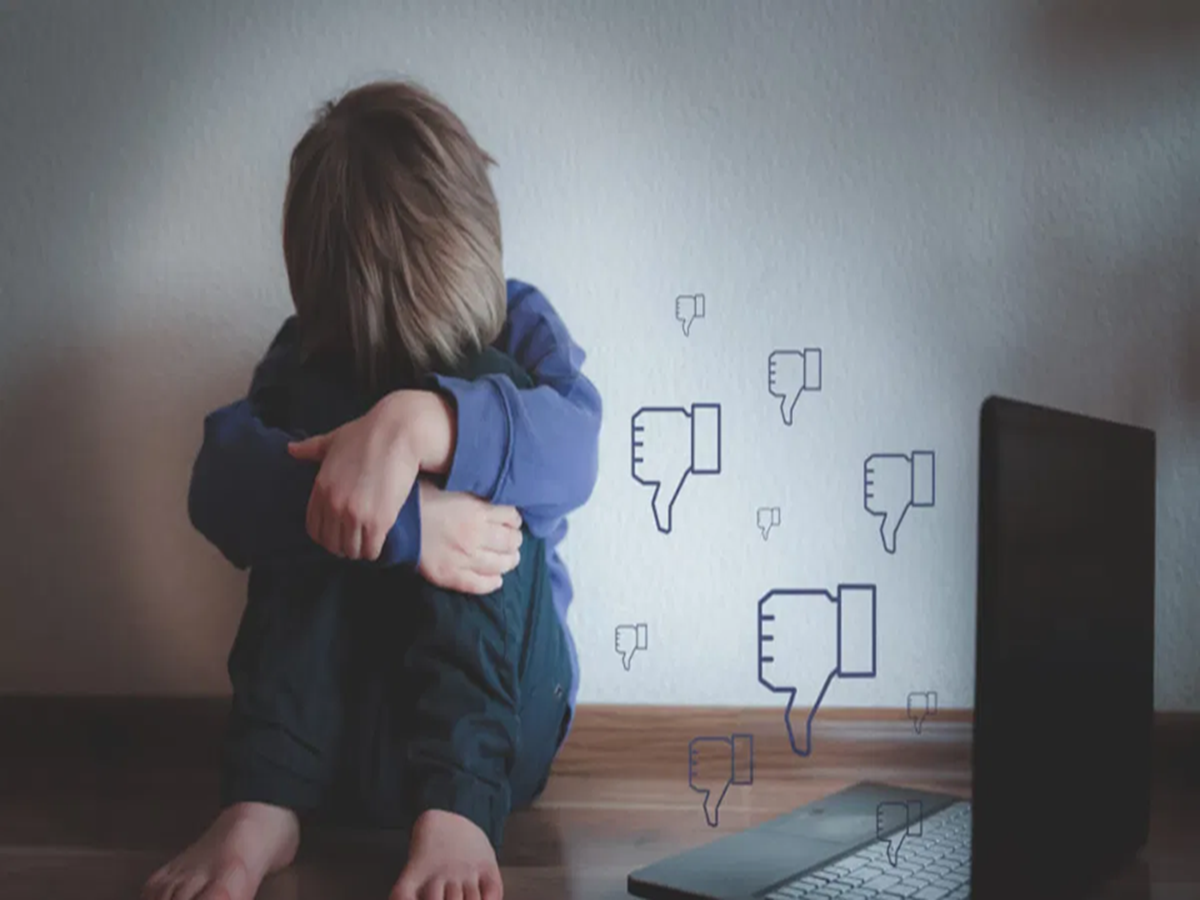
According to this survey, one in every two parents in more than 300 cities across the country believes that their children have either viewed inappropriate content on the internet or been victims of cyberbullying. Exposure to bullying and inappropriate content on the internet is having a profound impact on children's mental and behavioral development. Let's explore the negative impact this is having on children.
Effects on Children's Behavior
When children view violent or pornographic content before their age, or face any kind of online bullying, it can lead to several changes in their personality, such as:
Aggression in Behavior - Violent games and videos available on the internet can so impact children's minds that they start getting angry over trivial matters in real life. The survey also revealed that children's behavior has become more aggressive than before. They begin to lose control of their emotions.
Social isolation - Children who are victims of cyberbullying often become overwhelmed with feelings of inferiority. They fear that if they go out, people will make fun of them or that they will be targeted again. This fear leads them to lock themselves in their rooms and isolate themselves from family and friends, leading to loneliness.
Mental stress and depression - Online bullying can cause problems such as sleeplessness, loss of appetite, and lack of interest in studies. If this situation persists for a long time, it can lead to anxiety or depression.
System flaws and reporting challenges
The most shocking aspect of the survey is that, among the more than 30,000 responses, most parents questioned the system. Parents say that:
If a child is being bullied online, there is no clear information available about where and how to report it.
The reporting process to government departments or social media platforms is so cumbersome that people are unable to take action even if they want to.
Digital platforms often show a slowness in removing harmful content or taking action against offenders, emboldening them.
What should parents do?
Because legal and technical processes are still in the process of improvement, the role of parents becomes crucial:
Build a relationship with your children so that they can freely share their online activities with you.
Use filters and parental control apps on children's devices to protect them from inappropriate content.
Teach children that talking to strangers online or sharing personal information can be dangerous.
PC Social Media