LIFESTYLE
During the month of Sawan, every Shiva devotee should observe not just the Monday fasts, but also these 6 important fasts..

Important Fasts of Sawan: The holy month of Sawan is considered the best time to worship Lord Shiva, and this year, the Sawan Monday fast will be observed four times. During this month, devotees seek the blessings of Lord Bholenath by observing fasts and performing rituals such as Puja, Rudrabhishek, and Jalabhishek with deep faith and devotion. While most people are aware of the Sawan Monday fast, there are other fasts and festivals—such as the Solah Somwar Vrat (Sixteen Mondays Fast) and Mangala Gauri Vrat—that are less known. Observing these fasts not only brings the blessings of Lord Shiva and Goddess Parvati but also offers relief from the malefic effects of planetary alignments and various adversities. Let us explore six major festivals and fasts observed during the month of Sawan...
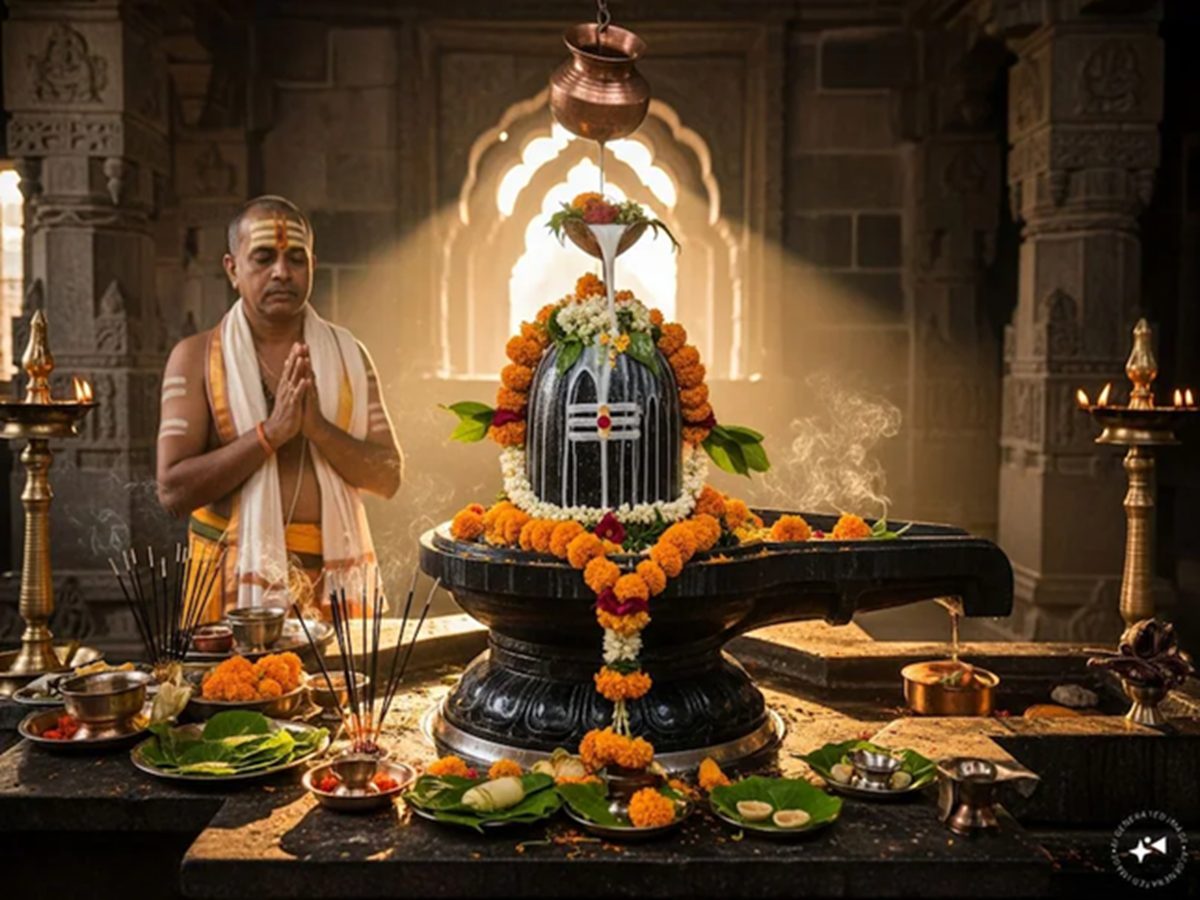
Significance of Sawan Monday Fast: There is a tradition of performing special worship of Lord Shiva on every Monday of Sawan, and this year, the fast will be observed on four Mondays. The fasts will fall on August 3rd, 10th, 17th, and 24th. It is believed that observing a fast on this day and performing *Abhishek* (ritual bathing) of the Shivling with water, milk, curd, honey, and *Belpatra* (wood apple leaves) pleases Lord Shiva quickly. This fast is considered a symbol of happiness, prosperity, good health, and the fulfillment of wishes. Unmarried men and women also observe this fast with the hope of finding a suitable life partner.
Significance of Solah Somwar Vrat (Sixteen Mondays Fast): The Solah Somwar Vrat, dedicated to Lord Shiva, is considered highly rewarding in Hinduism. Religious belief holds that observing this fast with faith and discipline for sixteen consecutive Mondays—and performing *Abhishek* of the Shivling with water, milk, *Belpatra*, *Dhatura*, and *Bhang*—pleases Lord Bholenath, who then fulfills the devotees' wishes. This fast is observed specifically to attain a happy married life, a suitable life partner, the joy of having children, good health, and financial prosperity. According to the Shiva Purana, observing the Solah Somwar Vrat with true faith and devotion removes life's obstacles and paves the way for mental peace and spiritual growth.
Significance of Mangala Gauri Vrat – Just as Lord Shiva is worshipped on Mondays during the month of Sawan, the Mangala Gauri fast is observed on every Tuesday of the month. This fast is primarily dedicated to Goddess Parvati. The first Mangala Gauri fast will be observed on August 4, the second on August 11, the third on August 18, and the fourth on August 25. Religious belief holds that married women observe this fast for enduring marital bliss, a happy married life, and family prosperity. Unmarried women also worship Goddess Gauri with devotion to find a desired spouse.
Significance of Pradosh Vrat – The evening period of the *Trayodashi Tithi* (13th day) of each lunar fortnight is known as *Pradosh Kaal*. The Pradosh Vrat observed during Sawan is considered especially fruitful. This year, the Pradosh Vrat will be observed on August 10 and August 25 during Sawan. Worshipping Lord Shiva and Goddess Parvati with proper rituals on this day washes away sins and brings happiness, peace, and prosperity into one's life. The *Shiva Purana* describes the Pradosh Vrat as highly meritorious. If you are unable to observe the Pradosh Vrat throughout the year, you should certainly observe the fast on the Pradosh date during Sawan.
Significance of Sawan Shivratri – The Shivratri that falls during the month of Sawan is considered extremely sacred. This year, the Sawan Shivratri fast will be observed on August 11. On this day, devotees engage in night-long vigils, *Rudrabhishek*, chanting of the Mahamrityunjaya Mantra, and special worship of the *Shivling*. There is also a tradition of performing worship during four specific time segments (*Pahars*) of the night on Sawan Shivratri. It is believed that worshipping Lord Shiva with a sincere heart on Sawan Shivratri pleases Lord Bholenath quickly; He fulfills the devotees' wishes and blesses them with happiness, peace, and spiritual progress.
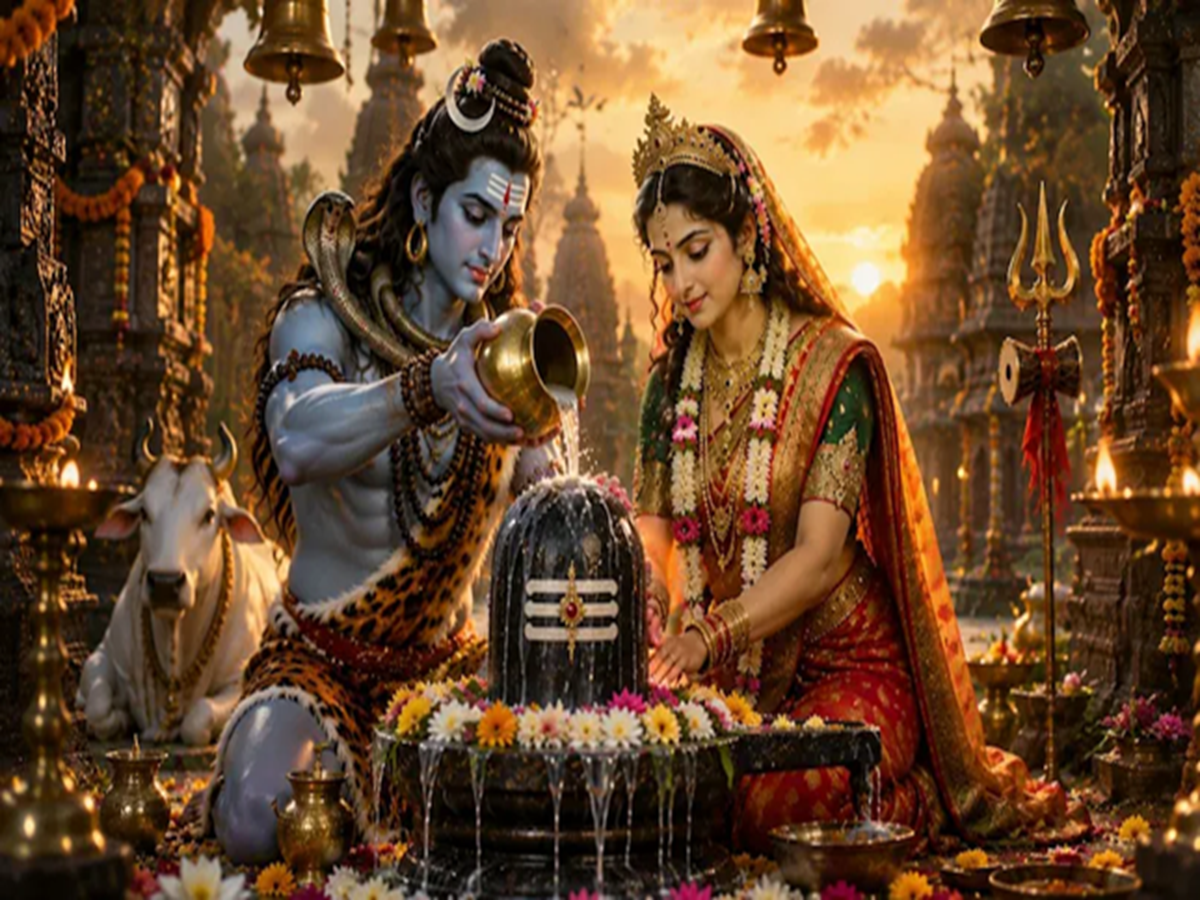
Significance of Nag Panchami – Nag Panchami is celebrated on the *Panchami Tithi* (5th day) of the *Shukla Paksha* (waxing phase of the moon) in the month of Sawan. On this day, worshipping Lord Shiva alongside the Serpent Deity (*Nag Devta*) holds special significance, as a serpent resides around Lord Shiva's neck. This year, the Nag Panchami fast will be observed on August 17. It is a religious belief that worshipping on Nag Panchami offers protection against *Kaal Sarp Dosh*, fear, and negative forces, while also ensuring happiness and prosperity within the family.
PC Social Media