Food & recipe
Don't worry if your milk has curdled; here’s how to use it—from making paneer and kalakand to kneading dough..
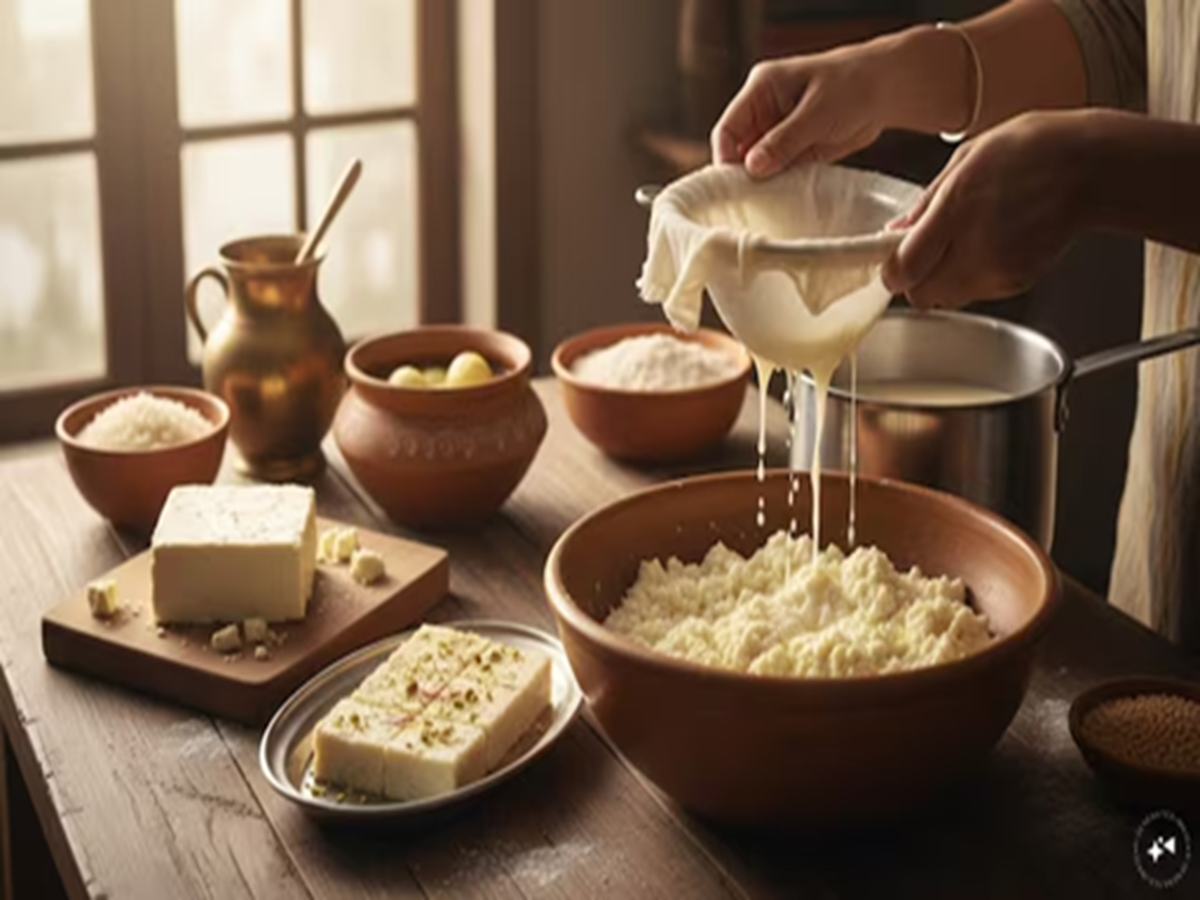
Reusing Spoiled Milk: When milk accidentally curdles while boiling, the immediate thought in most households is to discard it. However, curdled milk isn't always waste; if it has curdled simply due to souring—without any foul odor, mold, or off-putting taste—it can be used to create various delicious dishes. With a little kitchen ingenuity, curdled milk can easily be transformed into items like *paneer* (cottage cheese), *chhena* (fresh curd cheese), and *kalakand*. Moreover, the whey (the liquid remaining after straining the milk) is also useful; it can be utilized for everything from kneading dough to cooking lentils and rice.
In short, the milk you might have considered waste and poured down the sink can actually be put to good use in your kitchen. However, one crucial point to remember is this: if the milk emits a strong, putrid smell, has changed color, or shows signs of mold, do not use it.
What can you make from curdled milk?
1. Make soft, fresh *paneer* at home
The easiest way to use curdled milk is to make *paneer*. If the milk has curdled well, heat it gently on a low flame for a few minutes. Then, strain it using a cotton or muslin cloth. Once the whey has drained away, you can lightly rinse the *chhena* with fresh water, especially if it tastes very sour. Next, tie the cloth, place a heavy vessel on top, and let it press down for about 20 to 30 minutes. This will yield soft, homemade *paneer*, which can be used to make vegetable dishes, sandwiches, or stuffed *parathas*.
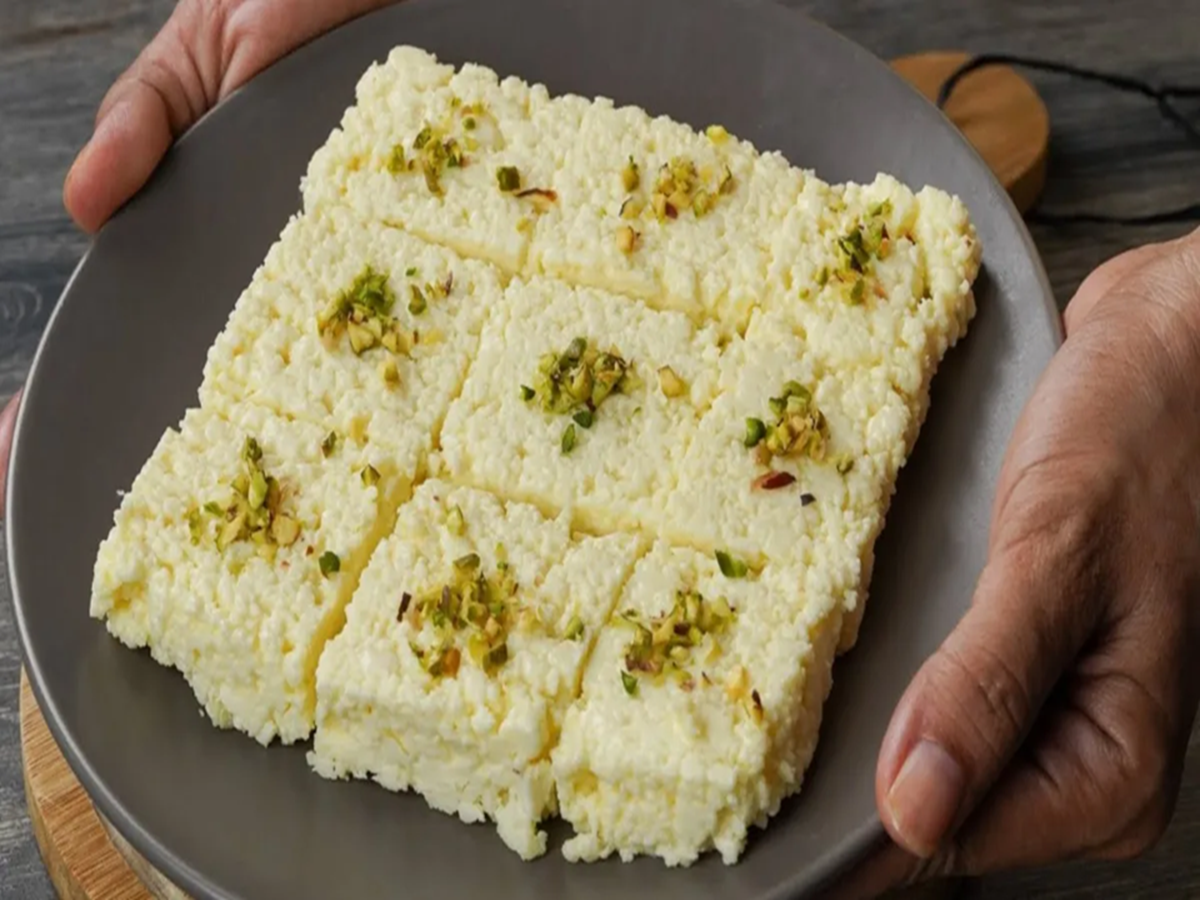
2. Make delicious *kalakand* from *chhena*
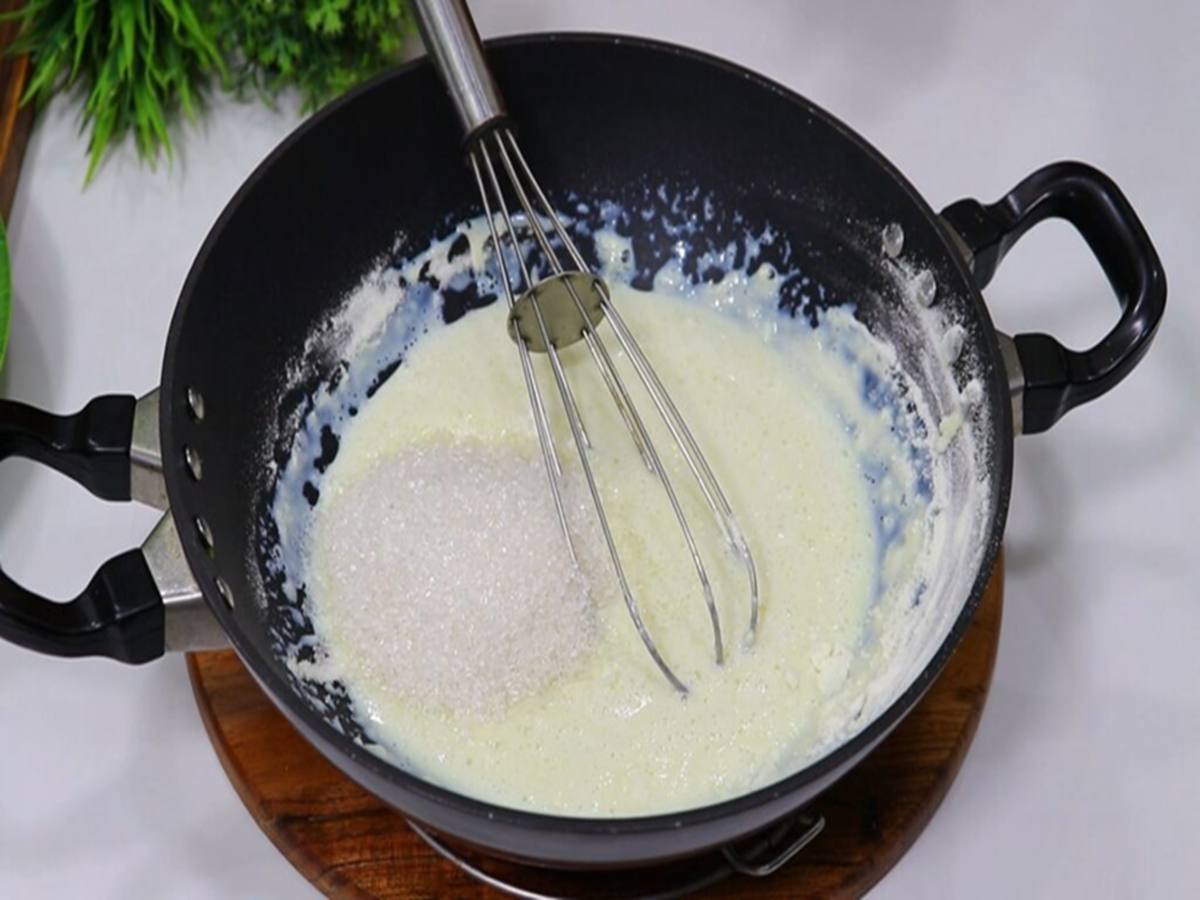
It is also easy to turn the *chhena* obtained from curdled milk into a sweet treat. Place the *chhena* in a pan and cook it over a low flame. You can add sugar to taste, a little milk powder, and cardamom powder. Stir the mixture continuously to prevent it from sticking to the bottom. Once the mixture thickens and begins to leave the sides of the pan, spread it out onto a greased plate or tray. Once cooled, cut it into pieces. This is how you can prepare grainy *Kalakand* at home.
3. Rotis and parathas will be softer
The whey (the liquid separated from curdled milk) can be used to knead dough. Using this instead of regular water can result in softer rotis and parathas. Many households use this method to avoid wasting leftovers. This simple trick is particularly useful when you plan to store rotis for a later meal.
4. Use it for cooking dal and rice
There is no need to throw away the liquid left after straining the curdled milk. It can be used to cook *dal* (lentils) or rice. This does not significantly alter the taste of the food and prevents water wastage; if you are making soup at home, a small amount of this liquid can be added to it.
5. Useful in gravies and soups
The strained whey from curdled milk can also be used in certain thick gravies or soups. It is better to add it gradually rather than pouring in a large amount all at once; this helps maintain a balanced flavor and texture in the dish. However, do not use the liquid at all if it has an unpleasant odor.
Important things to know before using curdled milk
Curdled milk and spoiled milk are not the same thing. Milk often curdles due to lemon juice, heat, or its natural acidity, and the resulting solids (*chhena*) can be used. However, if the milk has been sitting out for a long time, emits a foul odor, has changed color, or shows signs of mold, it is not safe to use—even after cooking. It is best to discard such milk.
PC Social Media