
Food & recipe
Don't make the mistake of throwing away mango peels! From sherbets to face packs, here are ways to put them to use!
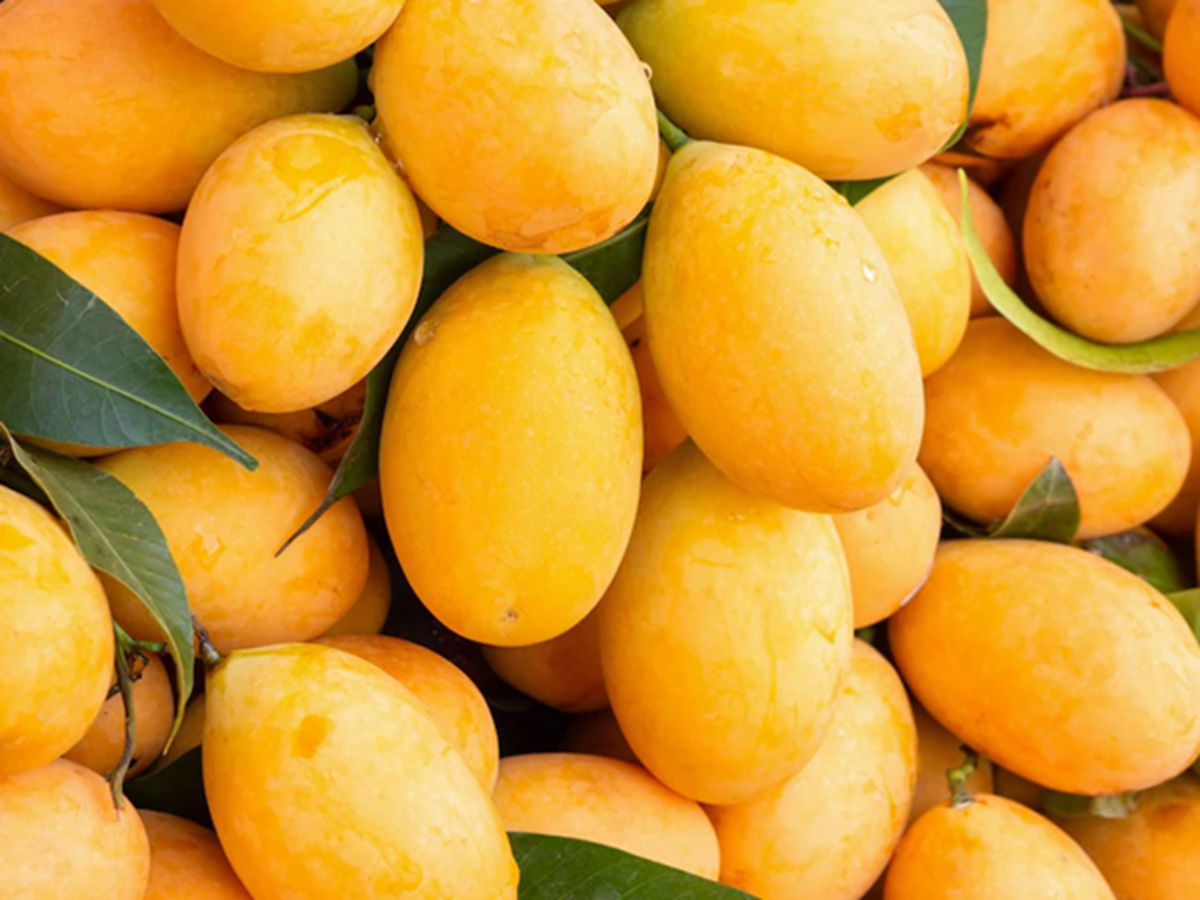
During the summer months, when the aroma of *Dasheri*, *Malda*, and *Bambaiya* mangoes wafts from the orchards, every household delights in savoring their taste. However, once the mangoes have been consumed, their peels are typically discarded, deemed to be mere waste. It is now time to change this mindset, as mango peels are packed with nutrients and aromatic compounds. If utilized correctly, these peels can serve a multitude of purposes—ranging from culinary applications in the kitchen to additions to your beauty regimen.
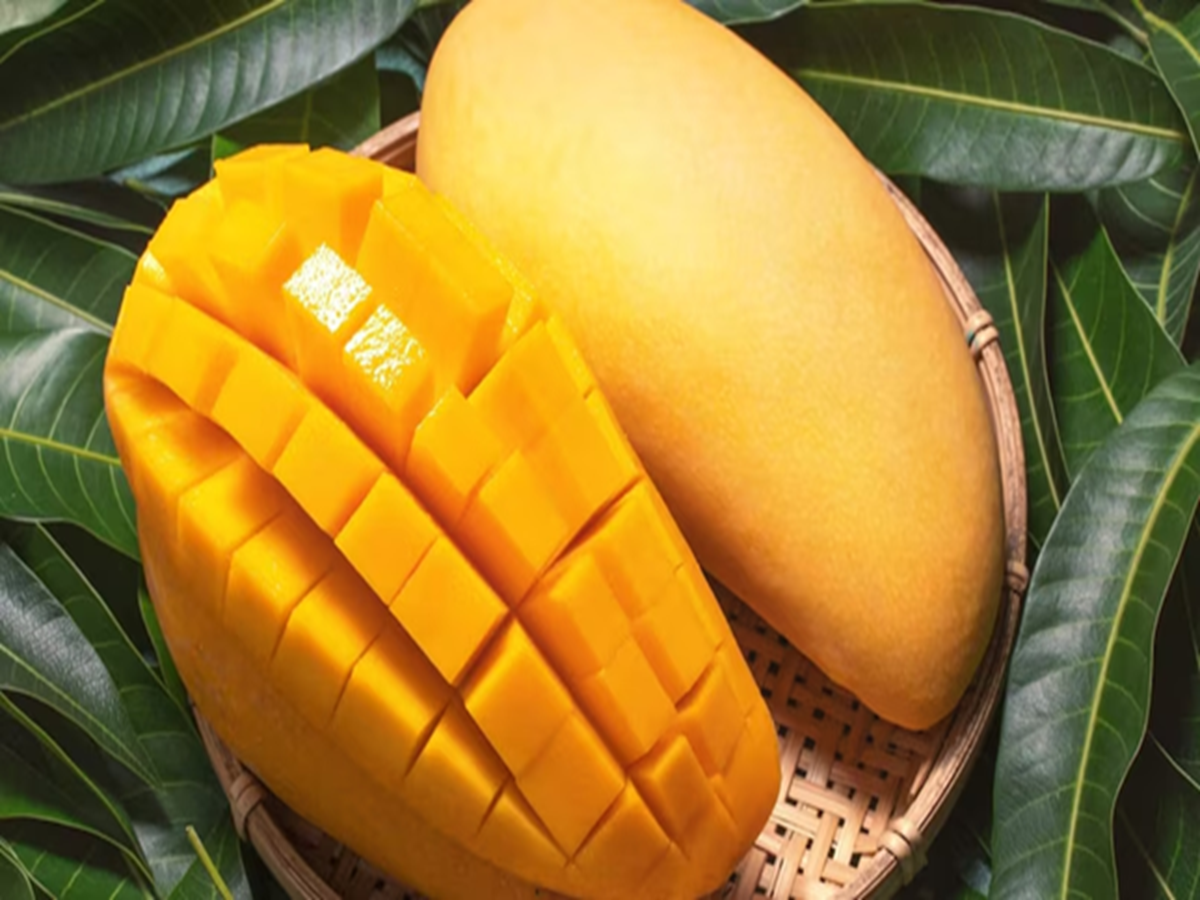
Eating raw mangoes is a common practice during the summer season. Both children and adults enjoy the tangy delight of raw mangoes, yet they typically discard the peels. Experts at the Krishi Vigyan Kendra (Agricultural Science Centre) in Pusa state that raw mango peels contain just as much Vitamin C, polyphenols, and antioxidants as the pulp itself. Furthermore, they are an abundant source of dietary fiber. Therefore, discarding the peels is detrimental to both health and flavor.
Eating raw mangoes is a common practice during the summer season. Both children and adults enjoy the tangy delight of raw mangoes, yet they typically discard the peels. Experts state that raw mango peels contain just as much Vitamin C, polyphenols, and antioxidants as the pulp itself. Furthermore, they are an abundant source of dietary fiber. Therefore, discarding the peels is detrimental to both health and flavor.
You can utilize raw mango peels in various creative ways, one of which is transforming them into chips. To prepare these crispy snacks, simply wash the peels and sprinkle them with a pinch of salt, black pepper, and *chaat masala*. Air-fry them or bake them at 160°C for 8–10 minutes. Your delicious, oil-free chips will be ready to eat! Whether packed in kids' lunchboxes or served with evening tea, these crispy snacks are sure to be enjoyed by everyone.
A face pack can also be made using raw mango peels. Wash the peels, dry them in the shade, and then grind them into a powder in a blender. Prepare this face pack by mixing 2 tablespoons of gram flour, 1 tablespoon of yogurt, and half a teaspoon of mango peel powder. Wash your face after 15 minutes. The vitamin C and antioxidants in this mixture moisturize and brighten the skin. For the women of Mithila, this is a modern take on the traditional 'ubtan' (skin scrub).
A face pack can also be made using raw mango peels. Wash the peels, dry them in the shade, and then grind them into a powder in a blender. Prepare this face pack by mixing 2 tablespoons of gram flour, 1 tablespoon of yogurt, and half a teaspoon of mango peel powder. Wash your face after 15 minutes. The vitamin C and antioxidants in this mixture moisturize and radiate the skin. For the women of Mithila, this is a modern take on the traditional "ubtan."

Place the washed peels in a clean glass jar. Boil 2 teaspoons of jaggery in 1 liter of water. Cover the jar with a cloth. Store in a sunny, shaded area for 10-15 days. Stir every other day. Strain after fermentation is complete. A sweet-sour, aromatic natural vinegar will be ready. Add it to salads, chaat, and dressings. Its flavor is so unique that you'll forget the vinegar available in the market.
PC Social Media