Food & recipe
Does your homemade paneer turn out hard and rubbery? A mistake made while curdling the milk could be the reason..
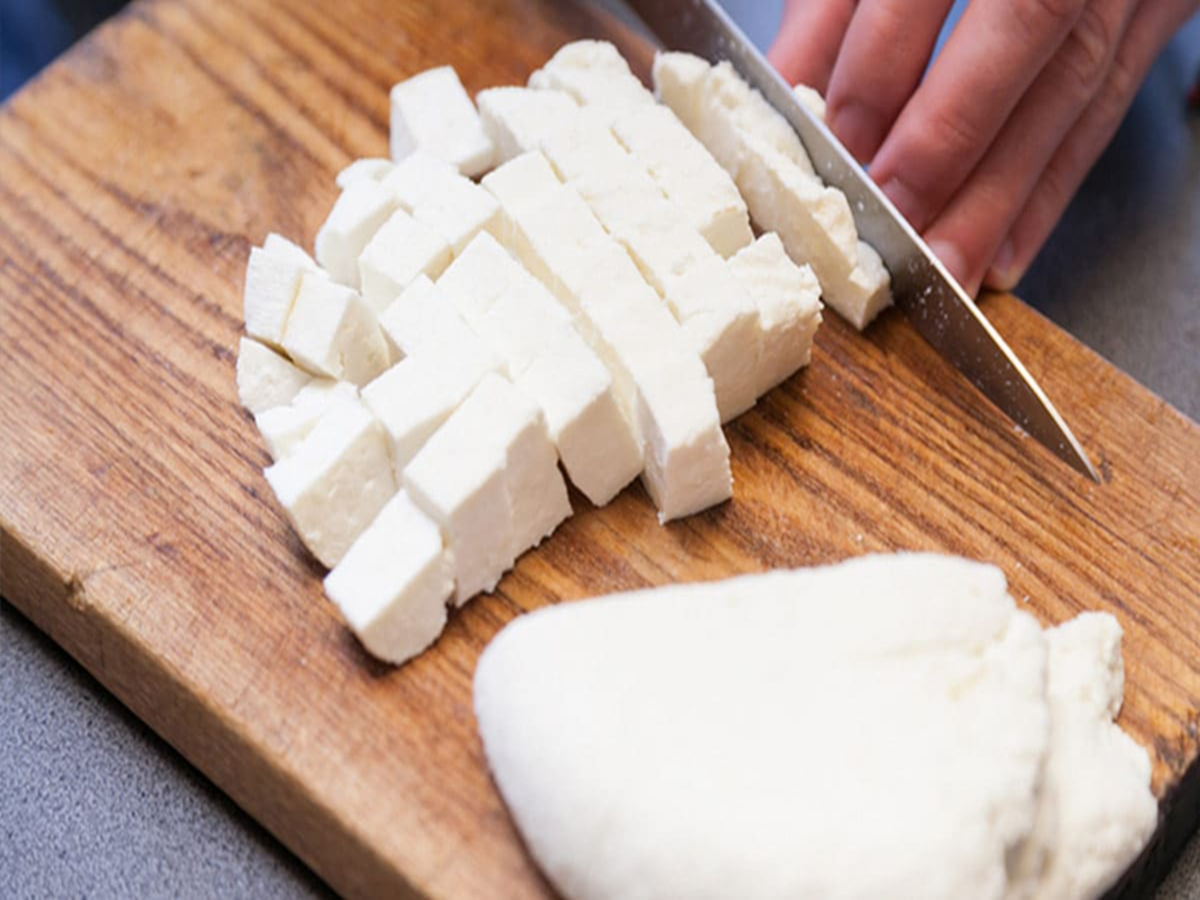
Paneer is a beloved component of Indian cuisine, used in dishes like Shahi Paneer, Matar Paneer, Paneer Tikka, and many others. Since store-bought paneer can be expensive, many people prefer making fresh paneer at home. However, a common complaint when making it at home is that it fails to turn out soft, often ending up with a rubbery texture.

In reality, the softness of paneer depends not only on the quality of the milk but also significantly on the method used to curdle the milk, the temperature, and the process of draining the whey.
**A common mistake when curdling milk can ruin the paneer**
Curdling the milk is an essential step in making paneer. Lemon juice, vinegar, or other acidic agents are typically used for this purpose. However, if an excessive amount of acid is used, the milk proteins can contract too quickly, resulting in hard paneer. The lemon juice or vinegar should be added gradually; pouring in a large amount all at once can spoil the paneer's texture.
**Milk temperature matters too**
It is difficult to make good paneer from very cold milk; it is best to curdle the milk only after heating it thoroughly. Once the milk begins to boil, lower the heat and slowly add the lemon juice. There is no need to cook it further once the milk has curdled and the whey has separated. Many people press the paneer too hard while draining the water; this reduces its moisture content, causing it to become hard instead of staying soft. For soft paneer, press it gently after draining the whey and allow it to set for a while.
PC Social Media