
Parenting
Does your child start crying the moment they lose? Here are 7 ways parents can teach them the significance of winning and losing..
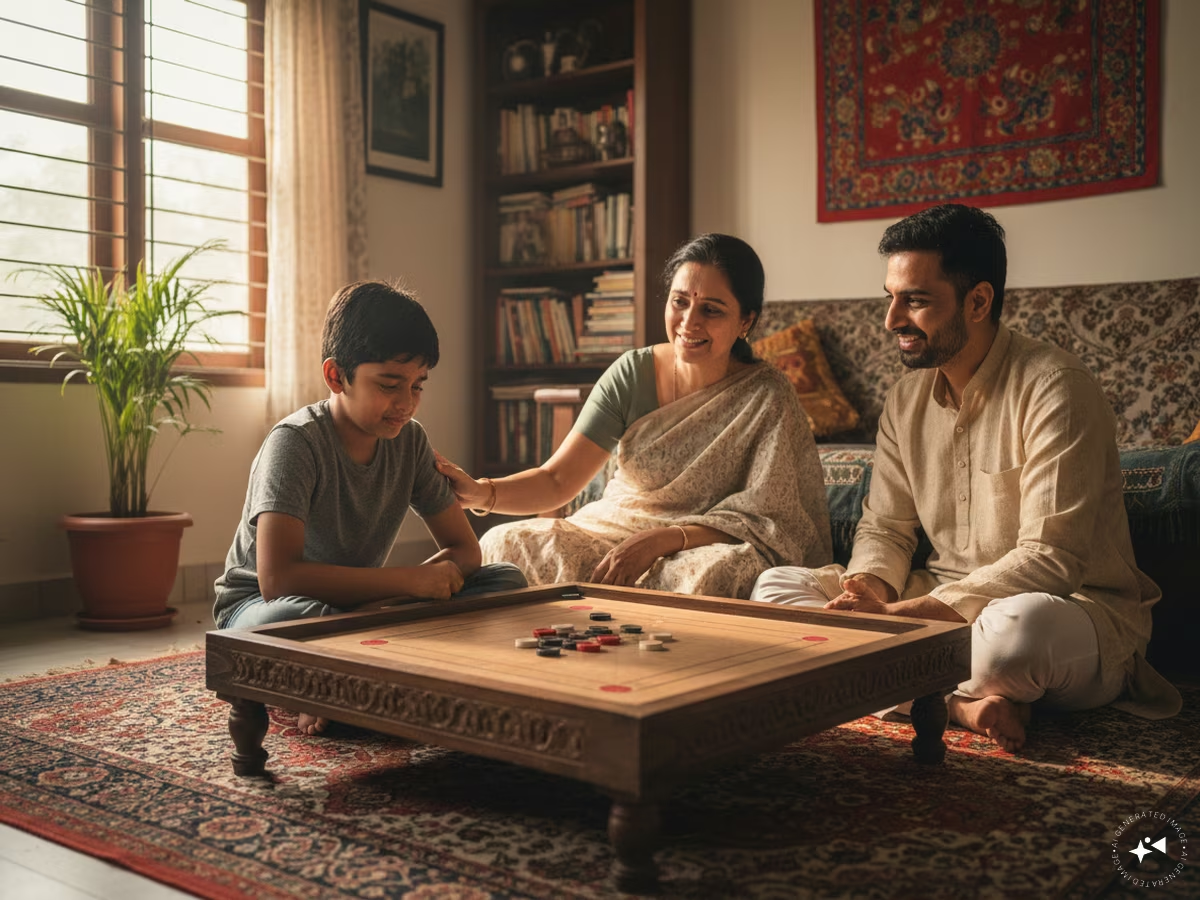
Teaching Kids to Accept Failure: Children love to win. Whether it’s a game at school, a board game with friends, or a small competition with siblings at home, every child wants to come out on top. However, when things don’t go their way, some children may cry, get angry, or even quit the game midway. Often, they simply refuse to accept defeat. If your child struggles to handle losing, don’t get upset—instead, view it as a valuable learning opportunity.
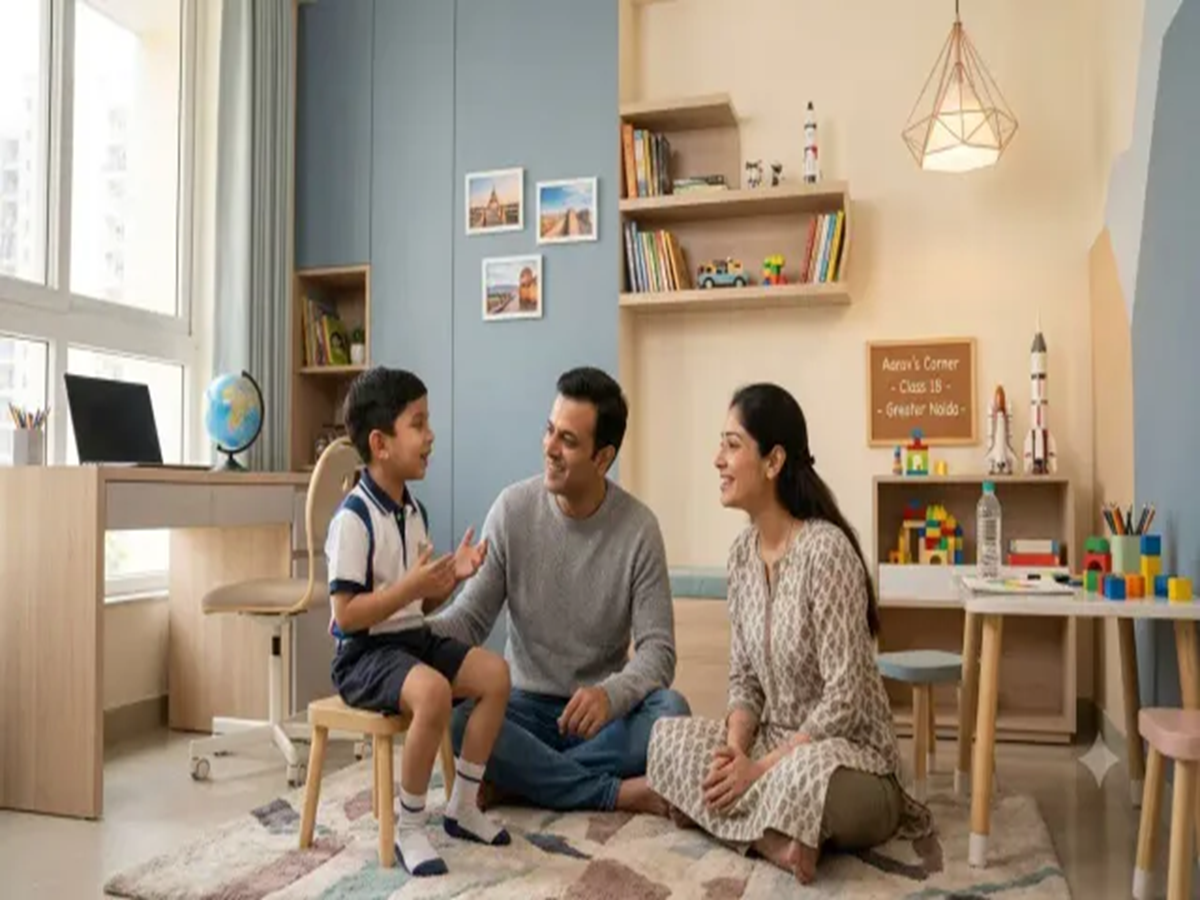
In reality, it is not easy for children to manage their emotions. Losing can trigger feelings of disappointment, anger, or embarrassment. In such moments, a parent’s responsibility goes beyond teaching a child how to win; it also includes teaching them how to accept defeat. Remember, it is not possible to win every single time in life. Therefore, it is essential to teach children from a young age that losing is not a bad thing.
How to teach children about winning and losing:
Do not scold your child for losing.
If your child starts crying after losing a game, avoid scolding them. Comments like "Why are you crying over something so small?" or "You don't even know how to play!" can be hurtful. Instead, acknowledge that it is natural to feel bad when losing—even you, as an adult, may not succeed at everything you attempt. This helps the child understand that their feelings are valid and encourages them to talk about them openly.
Do not let your child win every time.
Many parents intentionally lose to their children just to keep them happy. While this might seem fine at first, it leads the child to expect a win every single time. When they eventually lose to other children, they end up feeling deeply disappointed. Therefore, allow your child to experience genuine defeat in games from time to time. Teach them that the joy of a game lies not just in winning, but also in the act of playing and learning something new.
Turn defeat into a learning opportunity.
If a child loses, don’t just point out where they went wrong. Instead, gently ask them what they might do differently next time. For instance, if they get out in a game of cricket or fall behind in a race, ask them how they might prepare to do better in the future. This helps the child view defeat as an opportunity for improvement rather than a sign of personal weakness.
Avoid making comparisons with others.
Comments like "Look how well your friend plays" or "Even a child younger than you managed to win" can undermine a child's self-confidence. Every child has their own unique strengths and pace of learning. Rather than comparing them to others, compare their current performance to their own previous efforts. If they have performed better than before, be sure to praise them; this helps them understand the value of their hard work.
In reality, it is not always easy for children to manage their emotions.
Show them how to handle losing.
Children learn a great deal by observing their parents. If you react with anger or start arguing when you lose a game, your child may adopt the same behavior. Therefore, when you play with your child and happen to lose, respond calmly by saying, "It’s alright—you won this time! I’ll try again next time." This teaches the child that it is possible to remain calm and positive even after a loss.
Praise the effort, not just the victory.
If a child participates in a competition, do not limit your praise to instances where they win a medal or secure a victory. Encourage them by acknowledging how hard they worked, how well they prepared, and how they persisted despite facing challenges. This helps the child understand that hard work and dedication are just as important as success itself—ensuring that, should they lose in the future, they won't view themselves as a failure.
Teach your child how to manage their emotions.
If your child is crying or angry after a loss, do not try to silence them immediately. Give them some time first. Once they have calmed down, talk to them. Teach them techniques like taking deep breaths, having a drink of water, or taking a short break from the game. Over time, they will learn how to manage their behavior even when feeling disappointed.
Finally, there is one important point to understand:
Teaching a child to accept defeat does not mean they should abandon their desire to win. Rather, it is about helping them understand that both winning and losing are part of the game. In life, there will be times when, despite your best efforts, you may not achieve the desired outcome. True courage lies in getting back up and trying again. Therefore, help your child become someone who can celebrate a win, yet remain resilient in the face of a loss. This lesson will serve them well as they navigate challenges in school, friendships, and life.
PC Social Media