Parenting
Does your child eat while watching a screen? Try these four tips to help them eat without looking at a screen..
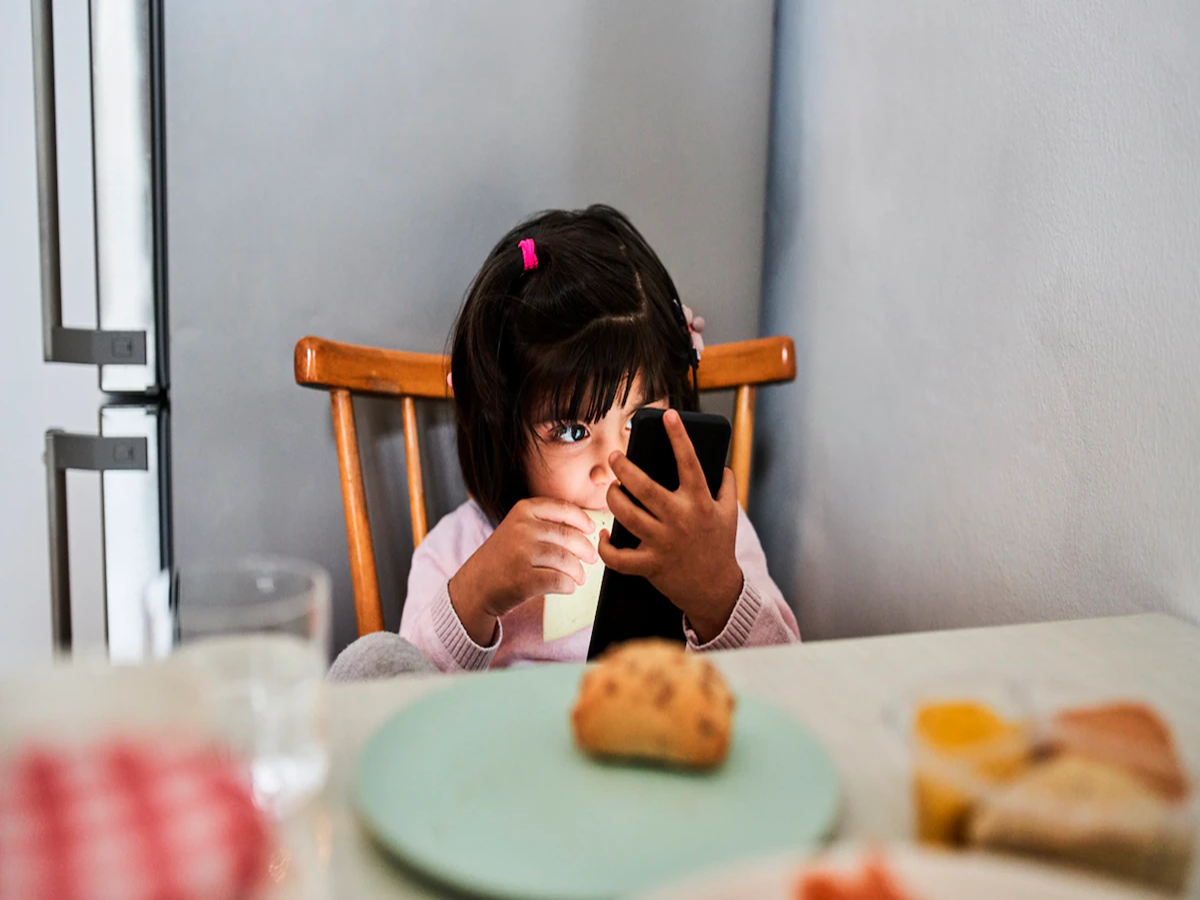
Parenting Tips for Feeding Children Without Mobile Phones: Parents often rely on mobile phones or televisions to get their children to eat. While children may eat their meals while watching cartoons or videos, they can gradually develop a habit of needing a screen to eat. It is therefore important for parents to encourage their children to eat without the use of mobile phones or televisions. Making mealtime an enjoyable and pleasant experience can be very helpful in this regard. If your child resists eating without a phone, you can try a few simple methods to change this habit. Here are four easy tricks that might prove useful:
1. Establish a Consistent Meal Schedule
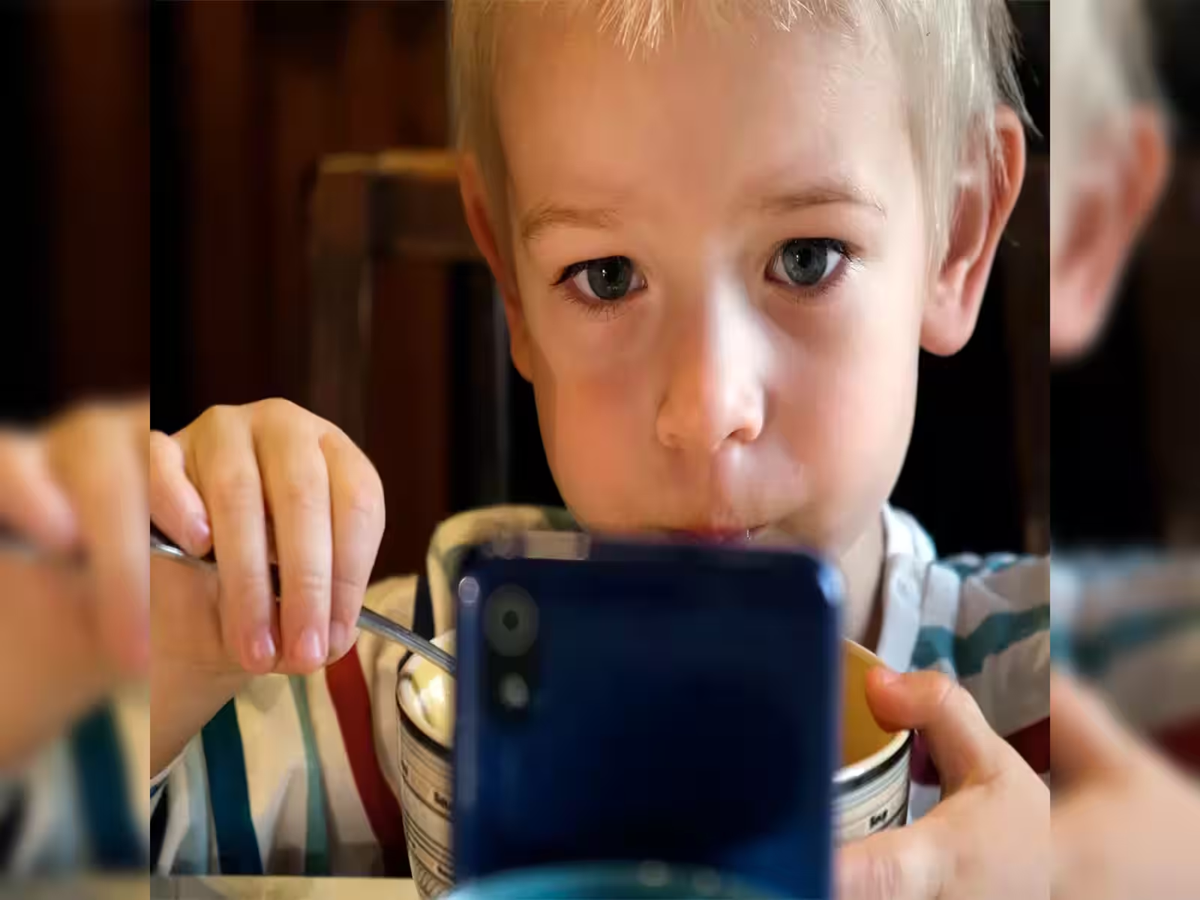
To foster healthy eating habits, it is essential to set a regular schedule for meals and snacks. Try to ensure that your child has breakfast, lunch, an afternoon snack, and dinner at the same time every day. If your child is reluctant to eat, avoid chasing them around or repeatedly offering different food items. Instead, provide two nutritious options—for example, an apple or a banana—which allows the child to make a choice. Remember not to scold or force the child while feeding them. If they eat less on a particular day, try not to worry; instead, look at their overall food intake throughout the entire day.
2. Eat Together as a Family
Children often learn habits—both good and bad—by observing their parents and other family members. To encourage children to eat without screens, it is helpful for the entire family to sit down and eat together. Avoid using mobile phones or televisions during this time. Use mealtime to talk to your child about their day, their school, their games, and their friends. This will help shift their focus away from mobile devices and toward their food and the time spent with their family. Additionally, parents should adopt the habit of eating healthy food themselves, as children often learn their own eating habits by observing adults. Therefore, ensure that the atmosphere at home during mealtimes remains calm and pleasant.
3. Involve the child in meal preparation
To get children excited about food, you can involve them in the preparation process. Assign them small, age-appropriate tasks—such as washing fruits and vegetables, placing plates or napkins on the table, or choosing between two healthy food options. This can increase a child's interest in food and foster a sense of self-reliance. However, keep young children away from stoves, knives, and hot cookware; assign them only tasks that they can perform safely. When children feel that they have contributed to preparing a meal, they may become more enthusiastic about trying new things.
4. Make mealtimes fun
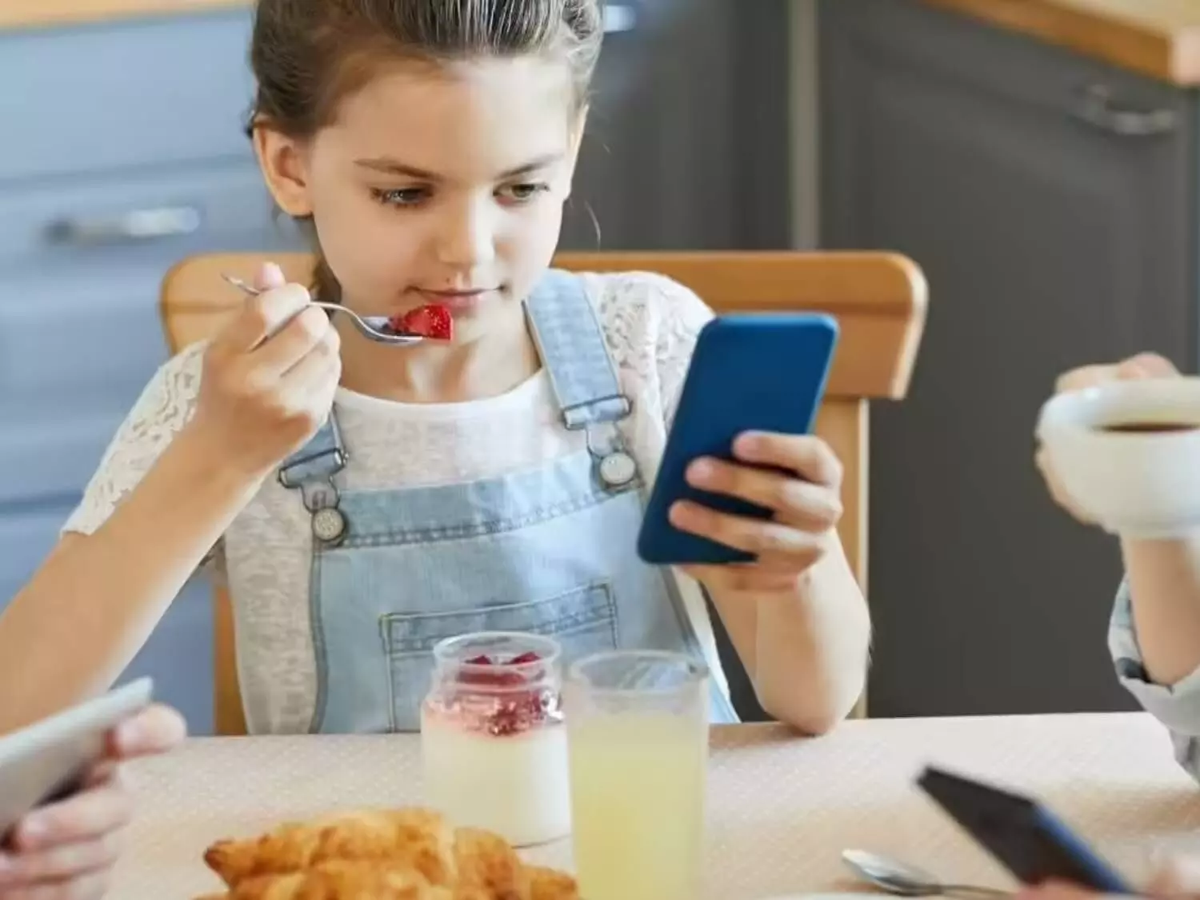
When feeding children, it is also important to pay attention to the presentation of the food. If a meal is not only delicious but also visually appealing, children are more likely to show an interest in eating it. You can achieve this by cutting fruits, vegetables, bread, or sandwiches into various shapes and arranging them on the plate.
Shapes like stars, hearts, and flowers can be very appealing to children. Furthermore, incorporate a variety of colorful foods, such as carrots, cucumbers, paneer (cottage cheese), bananas, and strawberries. Using the child’s favorite plate, bowl, and spoon can also make mealtimes more enjoyable. However, avoid serving too much food on the plate at once; start with smaller portions and offer more if needed.
PC Social Media