LIFESTYLE
Does spotting the dance of a pair of snakes during the month of Sawan really bring good fortune? Find out the whole truth..
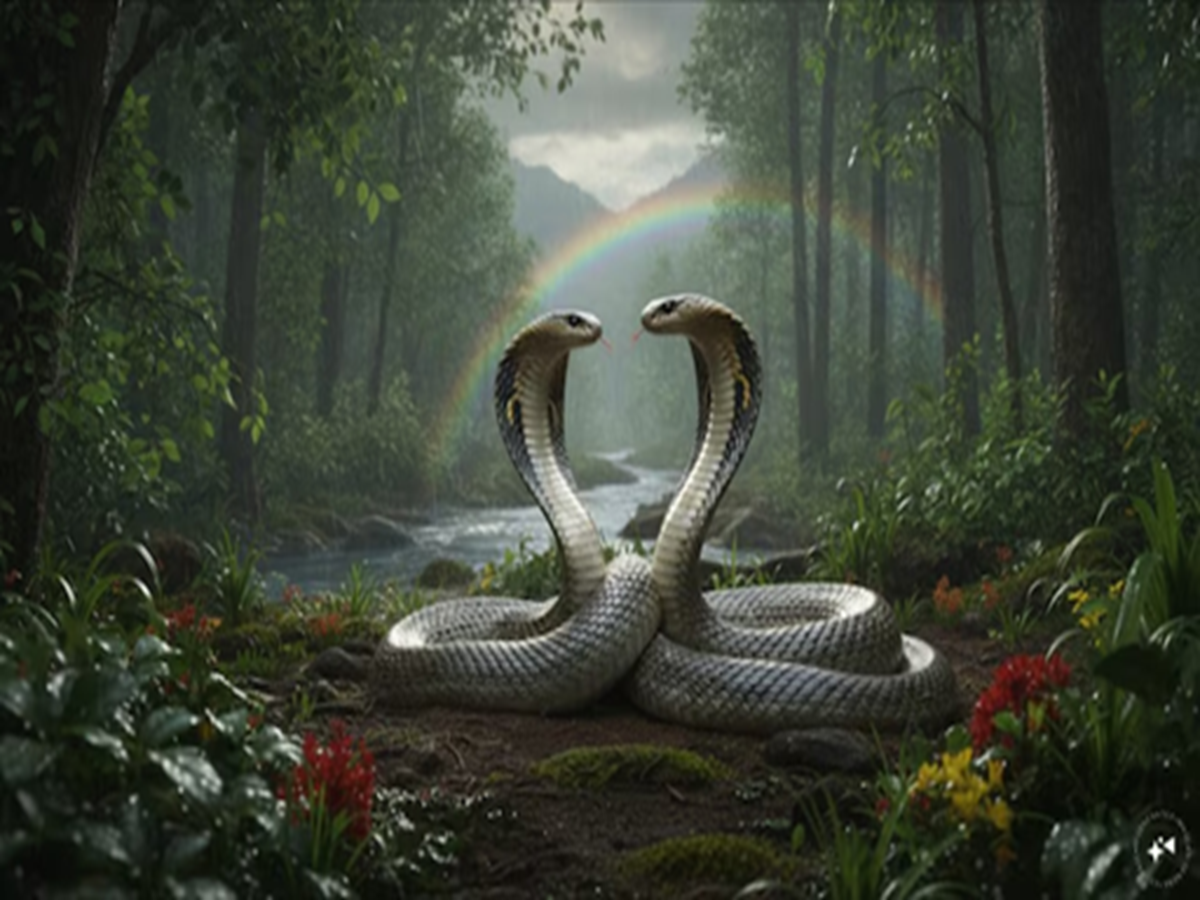
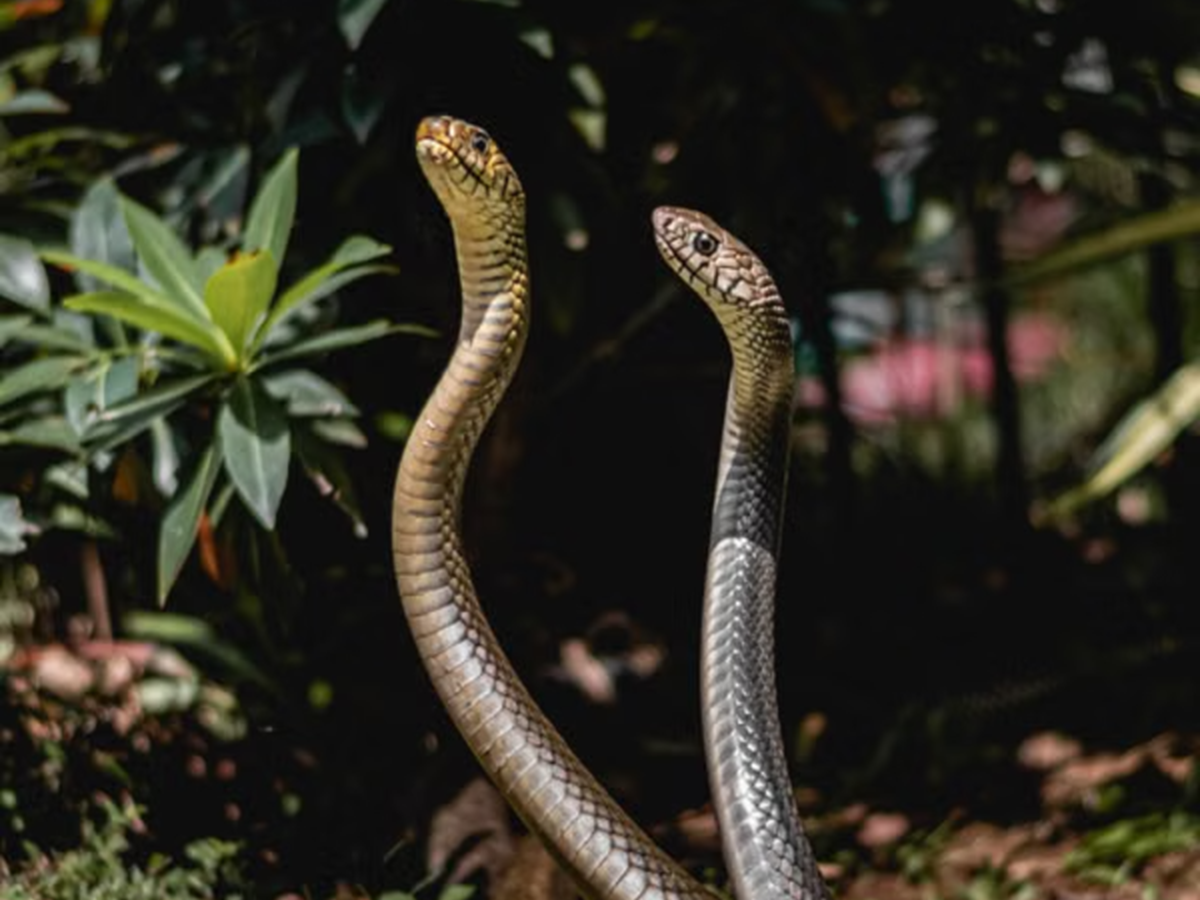
The Dance of the Serpent Pair in Sawan: With the arrival of the month of Sawan, various religious beliefs gain prominence alongside devotion to Lord Shiva. One such belief is that spotting a pair of serpents (male and female) dancing during this holy month is considered a sign of good fortune, prosperity, and auspiciousness. People across both rural and urban areas view this rare sight from different perspectives; some see it as a sign of Lord Shiva's grace, while others interpret it as a harbinger of good times ahead.
But does witnessing this truly change one's destiny? Is there a mention of this in religious scriptures, or is there a scientific reason behind it? Let us explore what both faith and science have to say on this matter.
Why is the connection between Sawan and serpents considered special?
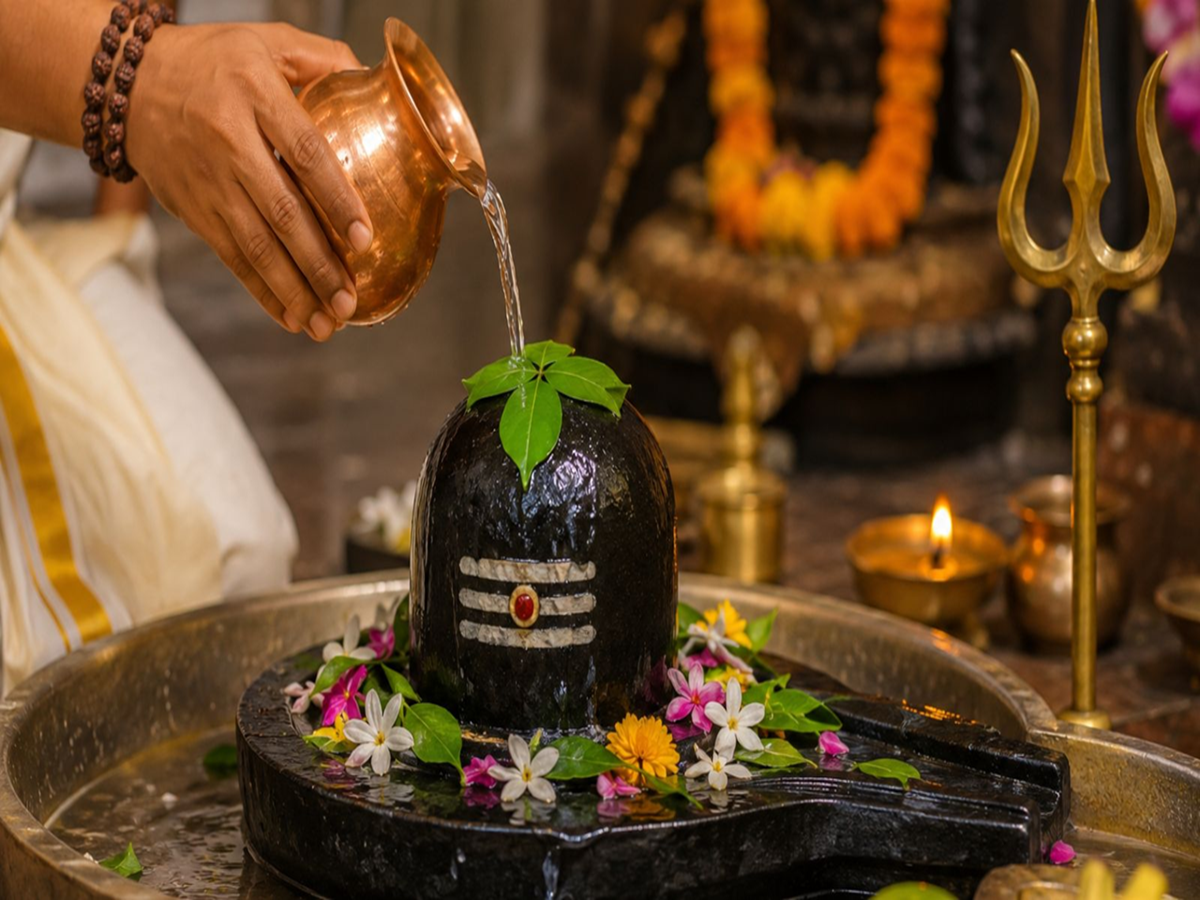
In Hinduism, the month of Shravan (Sawan) is dedicated to Lord Shiva. The serpent adorning Lord Shiva's neck is not merely an ornament but a symbol of power, fearlessness, and balance with nature. This is why reverence and respect for serpents intensify during Sawan. Festivals like Nag Panchami further reinforce this tradition; on this day, people worship the serpent deity and pray for their family's happiness, prosperity, and safety. Consequently, if a pair of serpents is spotted during Sawan, many attribute it to the special grace of Lord Shiva.
Do scriptures describe the dance of the serpent pair as auspicious?
It is important to distinguish between religious beliefs and scriptures.
While the dance of the serpent pair is considered auspicious in folklore and popular belief, ancient Hindu scriptures contain no explicit mention that witnessing this during Sawan guarantees good fortune, financial gain, or exceptional success in life. Religious experts state that such beliefs are part of folk traditions passed down through generations. They can be viewed as matters of faith, but they cannot be considered scripturally proven facts.
What does science say? In reality, this is natural behavior for snakes.
According to wildlife experts, what is commonly referred to as the "dance of the male and female cobra" is actually a natural behavior associated with their mating season. During the monsoon, humidity levels rise and temperatures become favorable, making this the time when many snake species are most active. Often, two snakes are seen intertwining or rearing up and moving about; while this may look like a dance from a distance, it is simply part of their natural behavior.
Respecting both faith and nature is essential.
If someone spots a pair of cobras during the month of *Sawan*, there is no need to be afraid or to disturb them. Experts advise maintaining a safe distance and refraining from interfering with their natural behavior. From a spiritual perspective, a divine element is believed to reside within all living beings. Therefore, showing respect for these snakes, avoiding harm to them, and embracing the message of nature conservation is considered the highest form of reverence.
PC Social Media