
LIFESTYLE
Do not make these mistakes—even inadvertently—while offering sugarcane juice to Lord Shiva..

Offering Sugarcane Juice to Lord Shiva: Everyone is familiar with the tradition of offering water, milk, curd, honey, *Belpatra* (wood apple leaves), and *Dhatura* during the worship of Lord Shiva; however, have you ever wondered why sugarcane juice is offered to the *Shivling*? Especially during the month of *Sawan*, on *Mahashivratri*, or on Mondays, devotees visit temples with fresh sugarcane juice to perform *Abhishek* (ritual bathing of the deity) with deep reverence. This is not merely a religious custom; it is deeply rooted in faith and long-held beliefs.
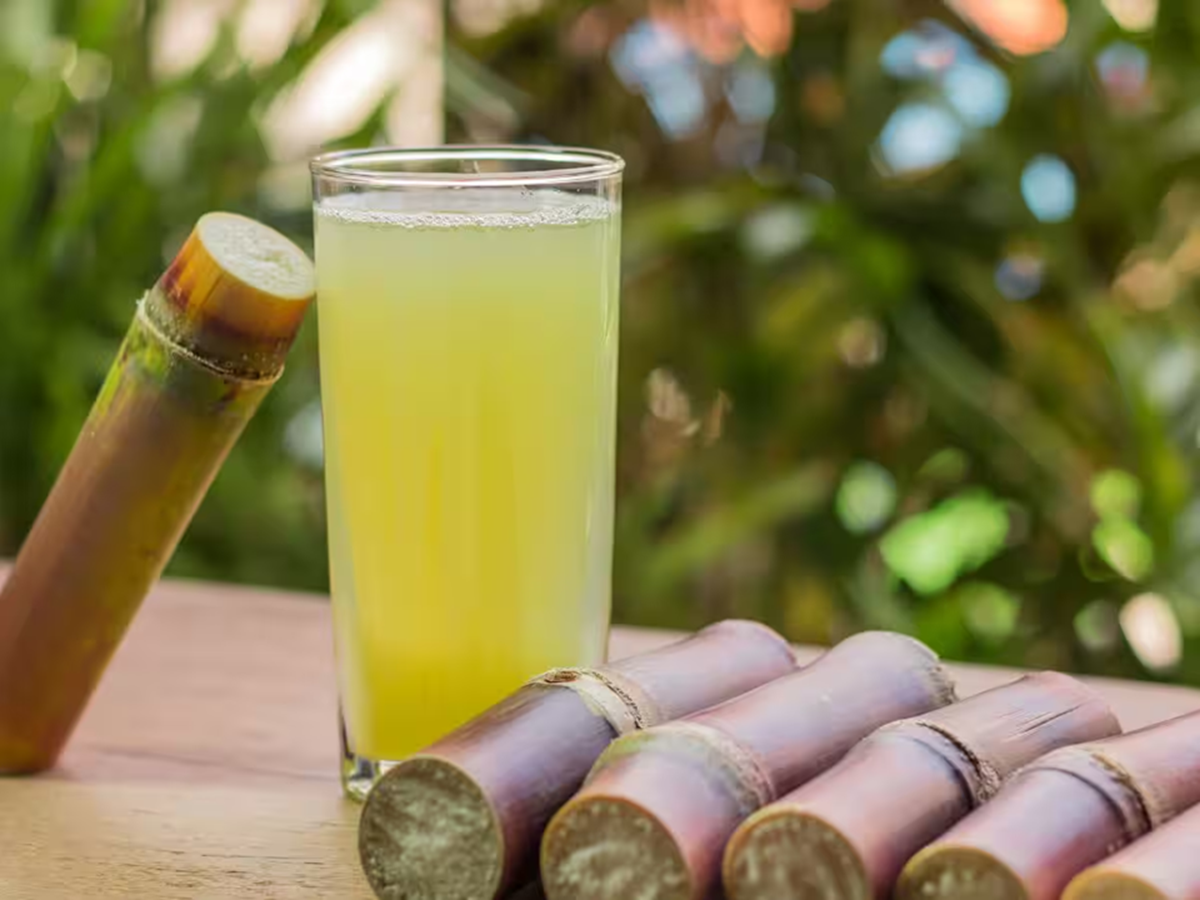
It is said that offering sugarcane juice to Lord Shiva alleviates the bitterness of life and paves the way for happiness and prosperity. However, the fruits of worship are reaped only when it is performed with the right intent and the correct procedure. If you are considering offering sugarcane juice to Lord Shiva, it would be beneficial to first understand its significance, the associated rules, and the beliefs linked to it.
Religious Significance of Offering Sugarcane Juice to Lord Shiva
According to religious beliefs, sugarcane juice symbolizes sweetness, prosperity, and positive energy. Offering this juice to Lord Shiva signifies the devotee's prayer to dispel life's troubles, stress, and bitterness. It is believed that this act of worship brings peace of mind and fosters happiness and harmony within the family. The tradition of performing *Abhishek* with sugarcane juice is observed with special fervor in many places during the month of *Sawan*. During this period, a large number of devotees visit temples to offer sugarcane juice to the *Shivling*.
What are the benefits of offering sugarcane juice?
1. Belief in Financial Prosperity
It is believed that offering sugarcane juice to Lord Shiva helps gradually alleviate financial woes. Many people perform this ritual with the hope of securing a new job, achieving success in business, or attaining financial stability.
2. Peace of Mind and Positive Thinking
Stress has become a common part of our fast-paced lives. Religious belief holds that worshipping Lord Shiva with devotion calms the mind and fosters a positive mindset within the individual. Sugarcane juice is considered a symbol of this very sentiment.
3. It fosters harmony within the family
Just as sugarcane is sweet in taste, this ritual conveys a message of maintaining sweetness and mutual love in relationships. Many families come together to perform this worship on the Mondays of the Sawan month.
The correct way to offer sugarcane juice
If you are offering sugarcane juice to the Shivling, ensure you use fresh and clean juice. Meditate on Lord Shiva before the ritual and then slowly pour the juice over the Shivling. Following this, performing an *Abhishek* (ritual bath) with clean water is also considered auspicious. Finally, offer *Belpatra* (wood apple leaves), white flowers, and incense sticks while chanting the mantra "Om Namah Shivaya."
What points should be kept in mind?
Special attention should be paid to cleanliness during the worship. Stale or spoiled sugarcane juice should never be offered; additionally, if the temple has specific rules regarding the *Abhishek*, it is essential to follow them. Furthermore, worship should be performed with devotion and faith, not merely to fulfill a specific desire. In religious beliefs, the sentiment behind the act is considered paramount.
Why does its significance increase during Sawan?
The month of Sawan is considered the holiest time for worshipping Lord Shiva. During this period, there is a tradition of performing *Abhishek* using water, *Rudra-Abhishek*, and various other ritual offerings. Sugarcane juice is also counted among these offerings. Many devotees observe a fast on Mondays, perform *Abhishek* on the Shivling with sugarcane juice, and pray for their family's happiness and prosperity. In rural areas, the tradition of bringing fresh sugarcane from the fields, extracting its juice, and offering it at the Shiva temple is still observed. Similarly, in cities, arrangements for sugarcane juice are made outside temples during Sawan so that devotees can easily perform the *Abhishek*.

A tradition rooted in faith
Religious traditions are founded on faith and belief. The benefits associated with offering sugarcane juice are also based on these beliefs. The objective is to express devotion to Lord Shiva and to pray for positivity, peace, and happiness in life. If worship is performed with a sincere heart, self-restraint, and good deeds, it also fosters self-confidence and balance within the individual.
PC Social Media