
LIFESTYLE
Dharma & Faith: Commit This Major Mistake During Worship, and You May Have to Face the Lord's Wrath..
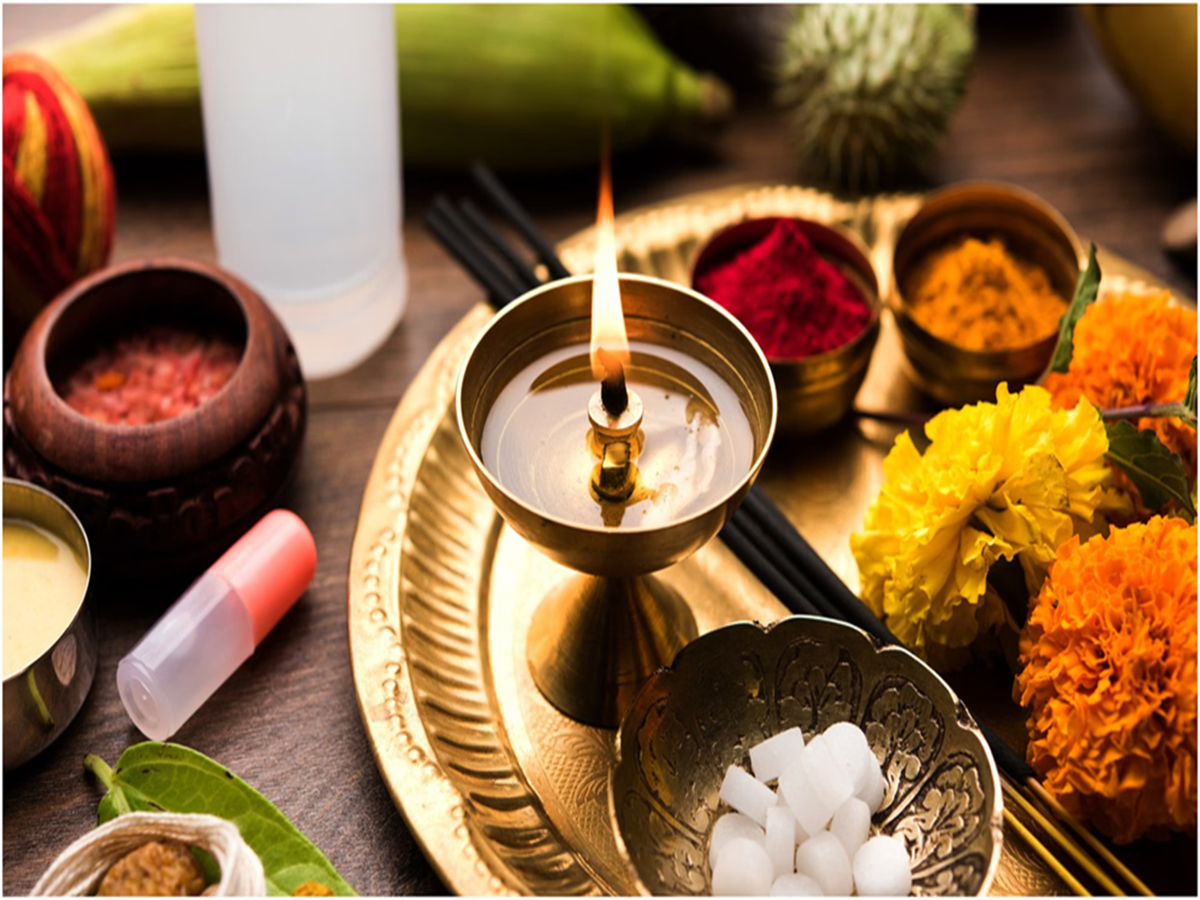
In Sanatan Dharma, worship is performed according to specific rituals and procedures to facilitate inner purification and the adoration of the Divine. The aim is to please God, thereby fulfilling our desires and ushering positivity into our lives. However, inadvertently committing minor errors during worship can prove highly detrimental; rather than bringing happiness, such mistakes can invite poverty and negativity. Yogesh Kukreti, an astrologer from Dehradun, explains the immense benefits of performing worship correctly and highlights the adverse effects that may befall a person's life if these practices are neglected.
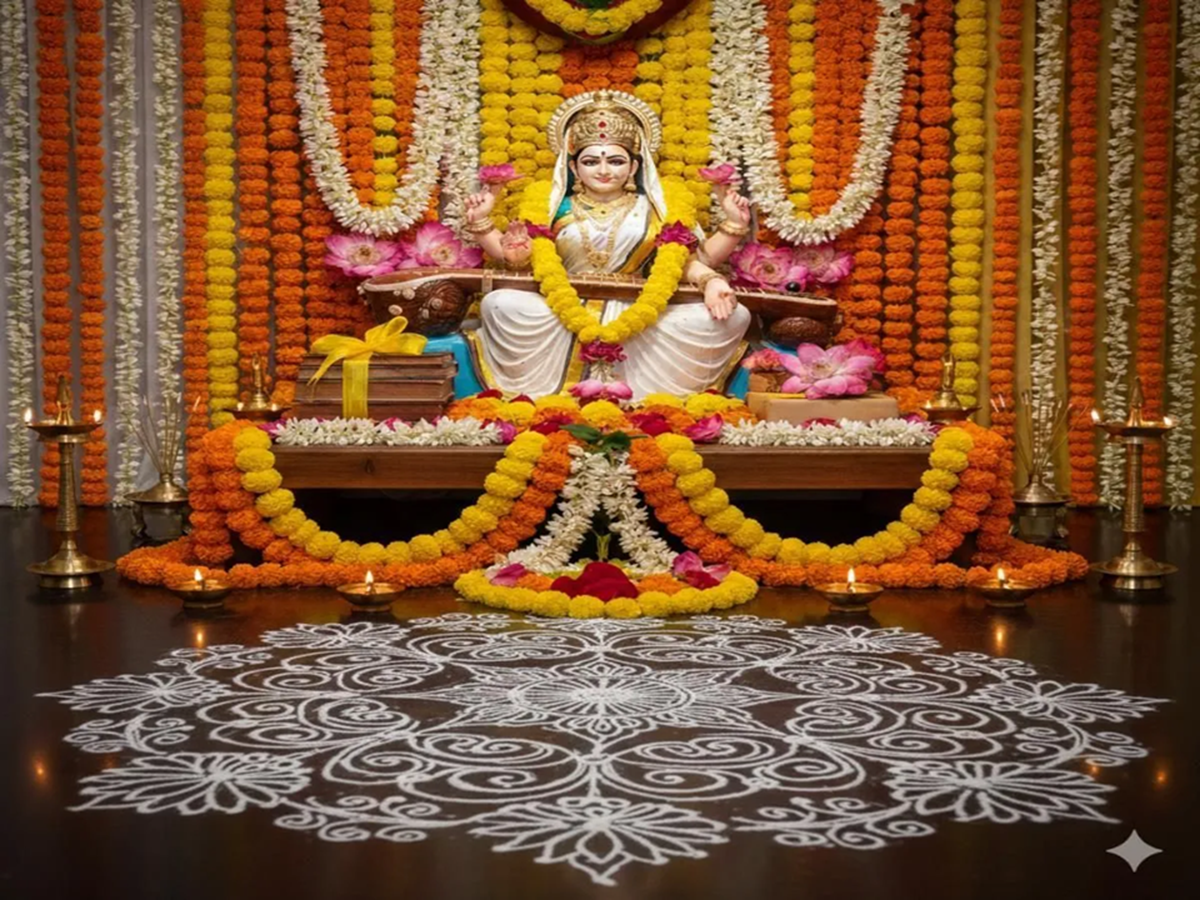
**Avoid These Mistakes During Worship**
Astrologer Kukreti points out that your errors can displease the Divine. During worship, you must pay close attention to cleanliness and hygiene. He advises that before worshipping God, you should purify yourself—both internally and externally. Along with taking a ritual bath, you should cleanse your mind of negative thoughts. He further states that one should refrain from using leather items—such as wallets or belts—during worship; instead, it is recommended to perform the rituals while wearing a *dhoti*. Broken rice grains should not be used as *Akshat* (sacred rice offerings), and one should not immediately consume the *Bhog* (food offering) after presenting it to the deity. Furthermore, incense sticks (*agarbatti*) should not be used during worship, as they contain bamboo, the burning of which is considered inauspicious.
**Key Points to Remember While Worshipping**
He emphasizes that adhering to the correct procedures and rules during worship is paramount. If we do not perform our worship correctly, our efforts will yield no meaningful results. The priority while worshipping is to maintain the purity of both our own minds and the designated place of worship. One should never perform worship without having first taken a ritual bath. Similarly, one should not touch the deity without having bathed. The ideal time for morning worship is considered to be between 4:00 AM and 11:30 AM. One should avoid worshipping between 12:00 PM and 4:00 PM, as it is believed that the deities are resting during this period. Evening worship may be performed between 5:30 PM and 7:30 PM. All items used in the worship—including flowers, lamps, sweets, milk, etc.—must be pure and fresh. Do Not Light a Lamp Directly on the Ground
In any act of worship (*Puja*), one should first offer prayers to Lord Ganesha.
Only after worshipping Him should one turn their attention to other deities, as, in our Sanatan Dharma, Lord Ganesha is revered as the foremost deity. He advised against ever using incense sticks (*Agarbatti*) during worship, noting that they are traditionally used during funeral rites and their use in the home could therefore have an adverse effect. Never light a lamp (*Diya*) by placing it directly on the ground; instead, always place a small plate or a small bowl underneath it. Furthermore, during worship, Tulsi (Holy Basil) leaves are never offered to Lord Shiva or Lord Ganesha.
He explained that Lord Shiva is particularly fond of *Bhang*, *Dhatura*, and *Belpatra* (Bael leaves); conversely, according to tradition, Tulsi is the beloved plant of Lord Vishnu. For this reason, Tulsi leaves are not offered to Lord Shiva. Regarding the flowers offered during worship: once they wither, do not discard them in the trash; instead, place them at the base of a plant or immerse them in a sacred river. When lighting a lamp during worship, one should use pure *Desi Ghee* (clarified butter) or sesame oil, as this invites positive energy into the home.
Avoid Wearing Black Clothing
Pay special attention to one specific detail: whenever you light a lamp, ensure that its wick faces towards your left hand. Furthermore, do not immediately remove the food offering (*Bhog*) presented to the deity, nor should you leave it there for an excessively long period. After five minutes, remove the offering and partake of it as *Prasad* (sanctified food). Perform the *Aarti* (ritual waving of lamps) only after the main worship ceremony has concluded; thereafter, while keeping your mind focused on the deity, reverently perform three circumambulations (*Parikrama*) around the altar. One should never perform worship while wearing black clothing. Additionally, one should never hang curtains in shades of blue, black, or deep purple within the temple area, as doing so is considered inauspicious.
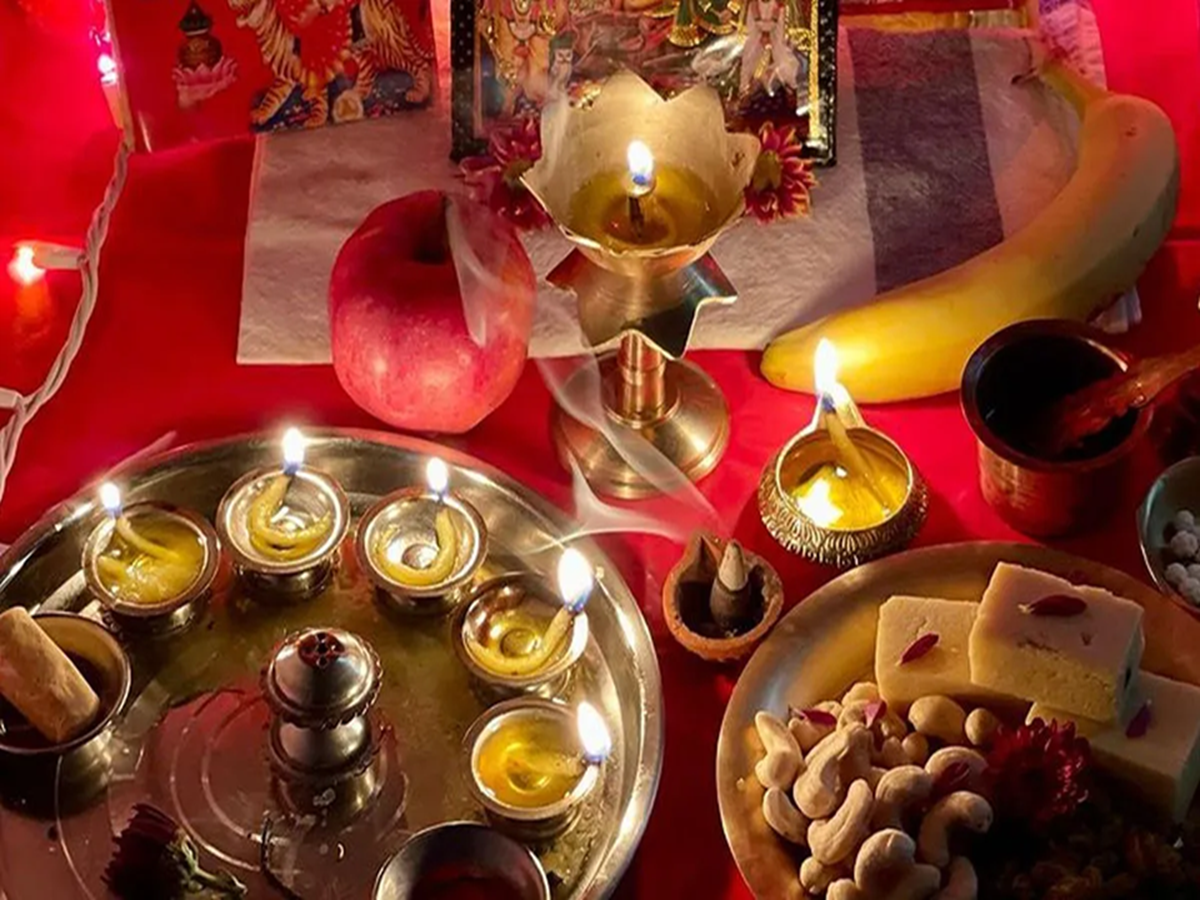
He stated that worship is not merely a religious tradition, but rather an expression of the reverence within our hearts—our deep sentiment towards the Divine. The greater the sincerity and devotion with which we worship, the more pleased the Lord will be with us, and the more bountiful the spiritual rewards we shall reap from that worship. Engaging in worship brings peace to our minds; simultaneously, it creates a serene atmosphere within our home, ensuring the perpetual presence of positive energy.
PC Social Media