LIFESTYLE
Devshayani Ekadashi Tulsi Rules: Keep these points in mind while worshipping Tulsi on Devshayani Ekadashi..
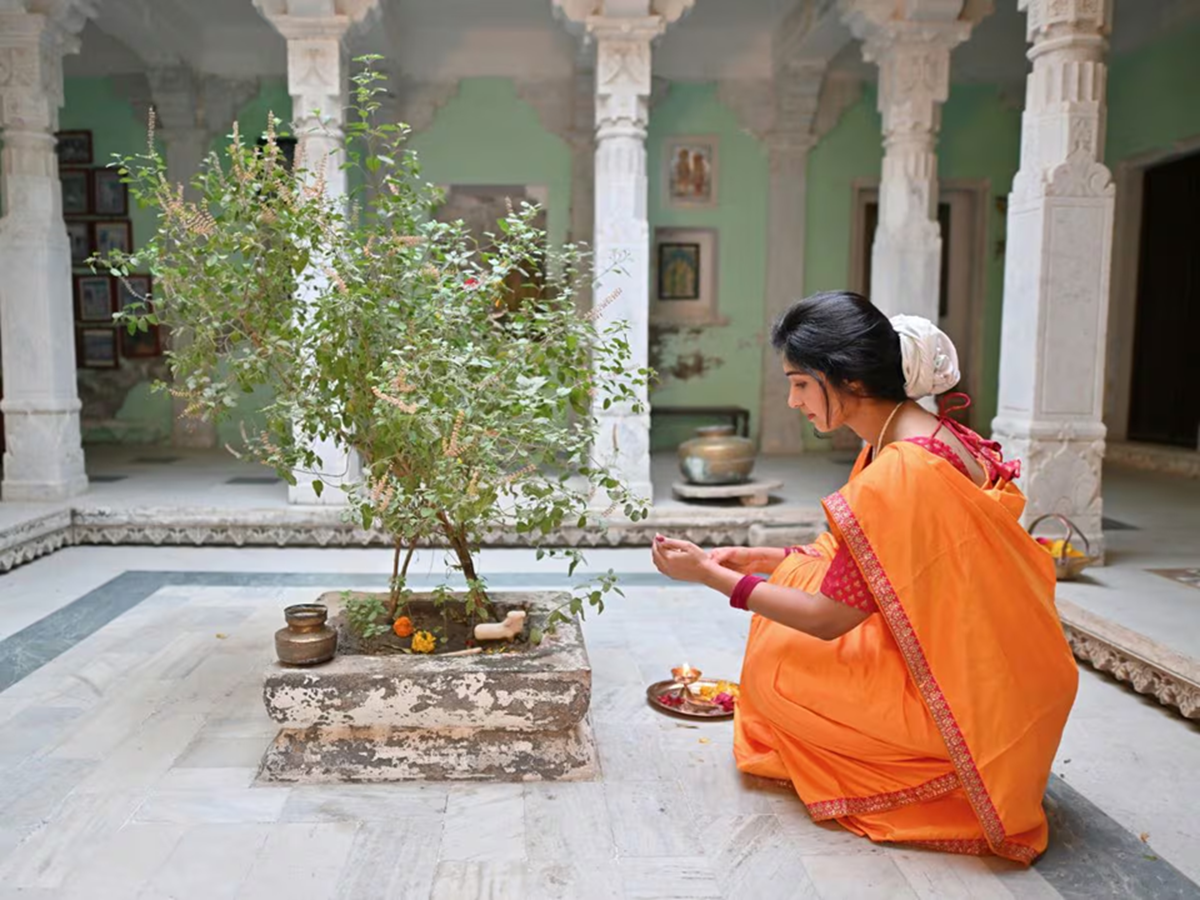
Devshayani Ekadashi Tulsi Rituals: The fast of Devshayani Ekadashi is being observed today; this fast takes place annually on the Ekadashi of the bright fortnight (Shukla Paksha) of the Ashadha month. According to religious beliefs, Lord Shri Hari Vishnu enters a state of cosmic slumber (*Yoganidra*) on this day, marking the beginning of the four months known as *Chaturmas*. The Tulsi plant, which is dear to Lord Vishnu, holds special significance during the worship performed on this day. Scriptures state that performing Tulsi worship with proper rituals and adhering to specific guidelines on Devshayani Ekadashi invokes the blessings of Lord Vishnu and Goddess Lakshmi, while also dispelling various types of negative energies or flaws (*doshas*) within the home. However, it is also considered essential to keep certain points in mind while worshipping Tulsi on Ekadashi.

Significance of Tulsi Worship on Devshayani Ekadashi
According to astrologers, worshipping Tulsi on Devshayani Ekadashi is not merely a religious ritual but a symbol of devotion, purity, and positive energy. It is believed that worshipping Mother Tulsi alongside Lord Vishnu on this day fosters happiness, prosperity, mental peace, and family well-being. Worship performed with faith and proper rituals marks an auspicious beginning to *Chaturmas* and grants the devotee spiritual progress, in addition to liberating the home from various negative influences.
What to do during Tulsi worship?
After a morning bath, clean the Tulsi altar (*Tulsi Chaura*) and offer sandalwood paste, vermilion (*roli*), unbroken rice grains (*akshat*), and flowers.
Note that water is not offered to the Tulsi plant on Ekadashi, as Tulsi herself observes a waterless (*Nirjala*) fast on this day.
Light a ghee lamp before Mother Tulsi in the morning and evening, and perform circumambulation (*parikrama*) 11 or 21 times.
Offer Tulsi leaves to Lord Vishnu and chant the mantra ‘Om Namo Bhagavate Vasudevaya’.
Sitting near the Tulsi plant and reciting the *Vishnu Sahasranama* or *Vishnu Chalisa* is considered auspicious.
Consume *Sattvic* food and engage in acts of charity according to your means.
What not to do during Tulsi worship?
Water should not be offered to the Tulsi plant on the day of Ekadashi.
One should not touch the Tulsi plant on Ekadashi, even inadvertently.
It is advised to reverently pluck and set aside the Tulsi leaves required for worship a day in advance.
Do not keep the area around the Tulsi plant unclean, and avoid consuming *tamasic* food, meat, or alcohol, as well as smoking, in its vicinity.
On this special day, refrain from anger, lying, harsh speech, and arguments.

Significance of Devshayani Ekadashi
Devshayani Ekadashi, which falls during the waxing phase (Shukla Paksha) of the month of Ashadha, holds special significance in Sanatan Dharma. According to religious belief, on this day, Lord Shri Hari Vishnu enters a state of cosmic slumber (*Yoganidra*) on the bed of Sheshnag in the *Kshir Sagar* (Ocean of Milk). This marks the beginning of *Chaturmas*, a period spanning four months. According to the scriptures, observing the Devshayani Ekadashi fast and worshipping Lord Vishnu and Goddess Lakshmi with proper rituals brings happiness, prosperity, and peace into one's life. It is believed that observing a fast and engaging in prayer, penance, charity, and the chanting of Lord Vishnu's mantras with devotion on this day destroys sins and yields imperishable merit. Religious beliefs also hold that donating food, clothing, water, and *dakshina* (offering/alms) to the needy on this day invokes the special grace of Lord Vishnu.
PC Social Media