
LIFESTYLE
Delhiites, take note: A morning workout habit could prove costly; PM 2.5 in the air is increasing inflammation in the blood vessels..
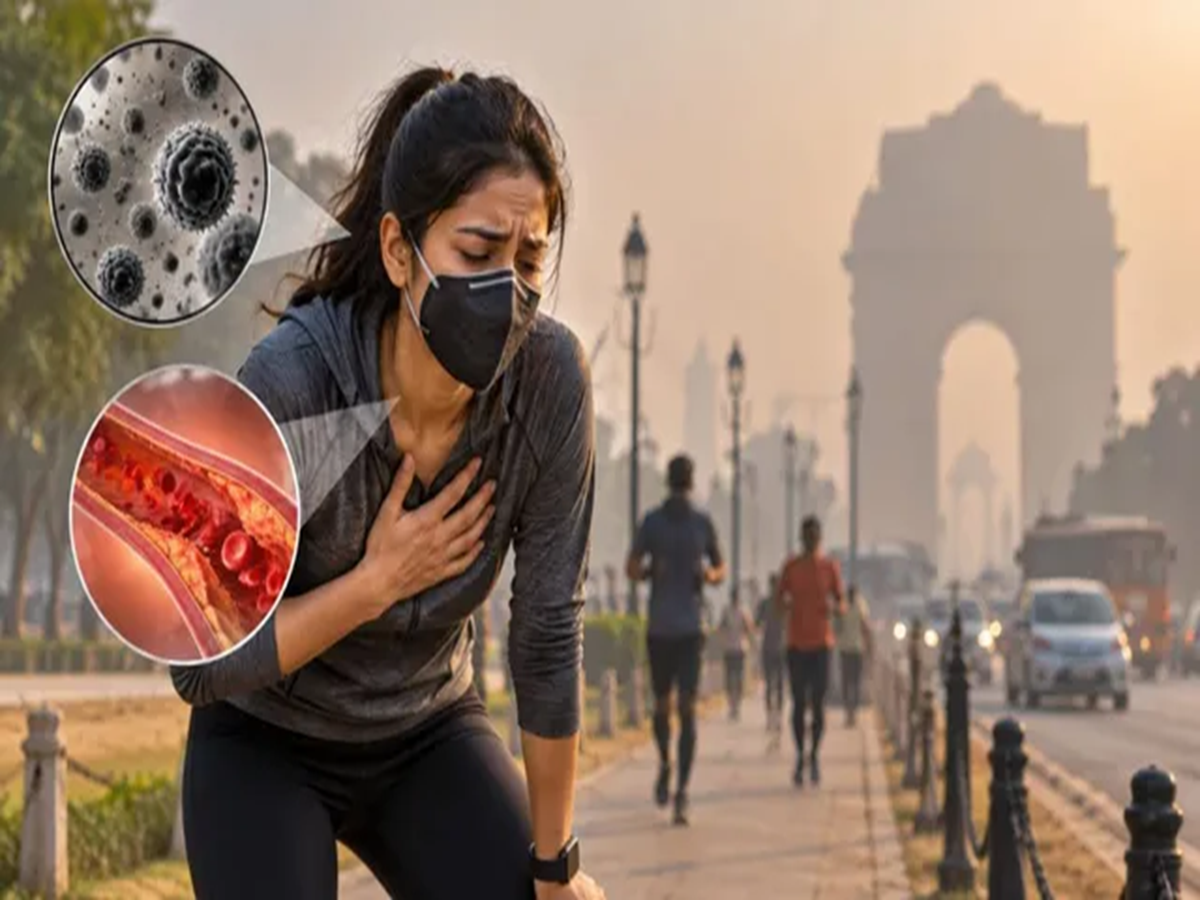
Delhi's polluted air can pose a threat to the heart health of young people. Doctors state that prolonged exposure to PM2.5, combined with poor sleep, stress, and physical inactivity, can exacerbate existing risks to heart health.
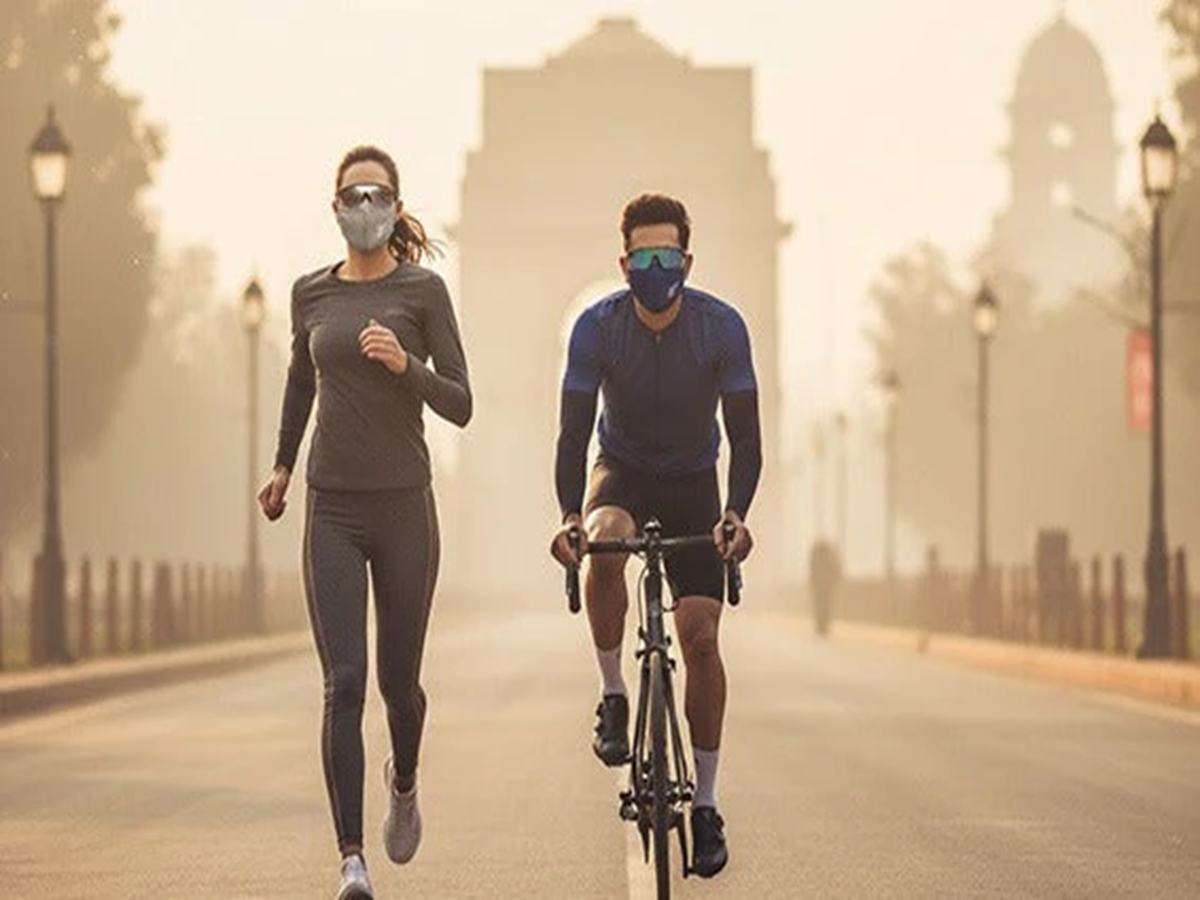
A recent study by researchers from Delhi University's Hindu College and Zakir Husain College found that the average PM2.5 level in the capital during winter was 269.35 micrograms per cubic meter. This is approximately seven times higher than the national standard and nearly 18 times higher than the WHO guidelines cited in the study.
**Most PM2.5 readings exceeded national standards**
Approximately 98 percent of the PM2.5 readings recorded during the study exceeded national standards, with levels surging past 700 micrograms per cubic meter in late December. According to the study results—published in the journal *Frontiers in Sustainable Cities*—the average winter level was more than five times higher than the levels recorded during summer and the monsoon season.
Dr. Udgeath Dhir, Principal Director of Cardio-Thoracic and Vascular Surgery at Fortis Hospital, Gurugram, stated that the risk of heart disease in young people is rarely attributable to a single cause. Prolonged exposure to air pollution, inadequate or irregular sleep, chronic stress, and physical inactivity can collectively aggravate common risk factors such as high blood pressure, diabetes, and high cholesterol. He stated that fine particles can trigger vascular inflammation, oxidative stress, and endothelial dysfunction (impairment of the inner lining of blood vessels), while poor sleep can interfere with blood pressure regulation and metabolic function, thereby increasing the risk of heart disease.
**Higher Risk Among Adolescents and Young Adults**
Dr. Dhir advised young people to exercise caution regarding physical exertion, especially when pollution levels are high. Suddenly engaging in prolonged running or high-intensity workouts without proper training can place undue stress on the cardiovascular system. Among the young people surveyed, 60.7 percent reported an increase in symptoms such as coughing, sneezing, breathing difficulties, or eye irritation during the polluted winter months. Dr. Dhir emphasized that adequate sleep is crucial for protecting against cardiovascular risks, particularly in young people.
PC Social Media