LIFESTYLE
Chaturmas: Why does the significance of worship and spiritual practices increase during Chaturmas? Discover the religious significance..
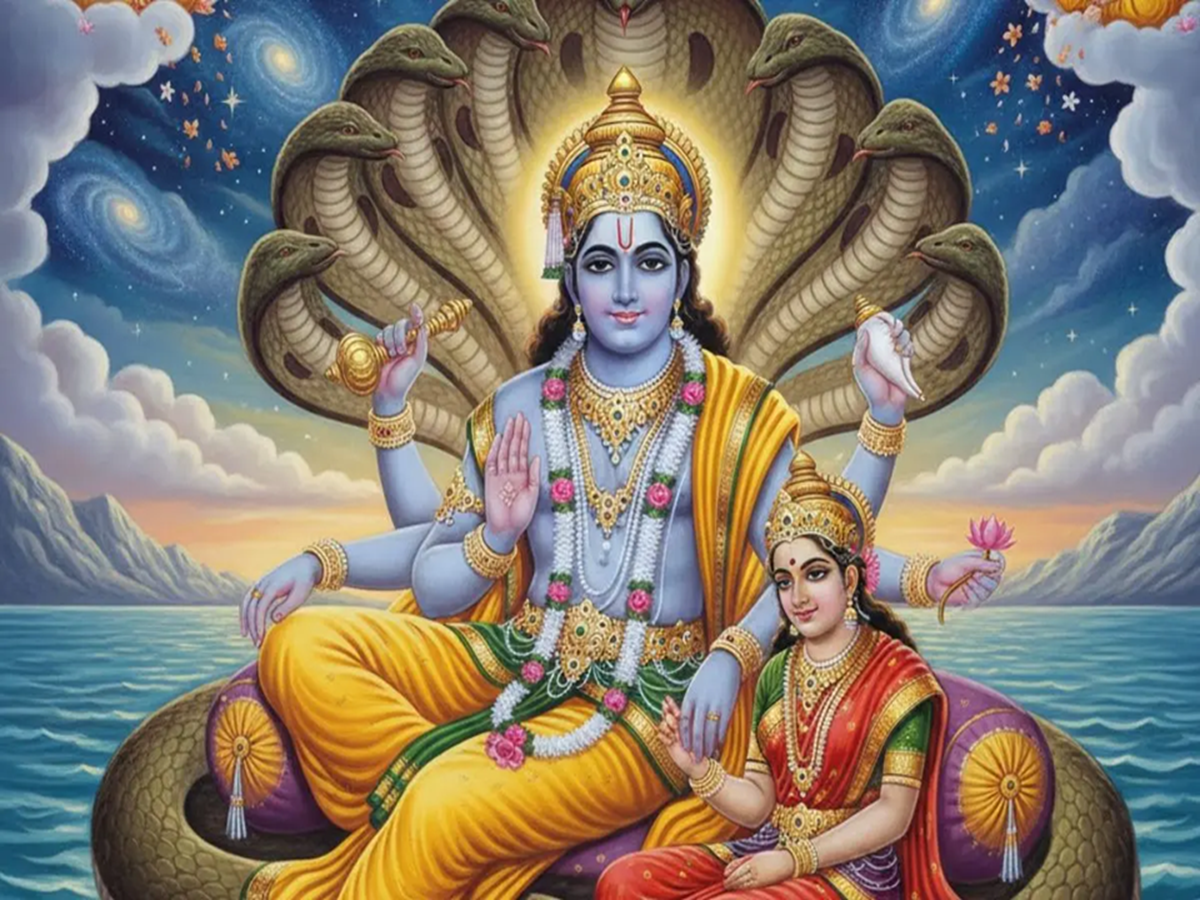
In the Sanatan tradition, Chaturmas is considered the most significant period for spiritual practice, self-restraint, and spiritual growth. These four months hold special importance in both Hinduism and Jainism. During this time, devotees worship the Divine through rituals, chanting, penance, charity, fasting, meditation, and self-purification. According to the Hindu calendar, Chaturmas begins on Devshayani Ekadashi (during the bright fortnight of the Ashadha month) and concludes on Devutthana Ekadashi (during the bright fortnight of the Kartik month).
**Historical Significance Linked to the Monsoon Season**
Varun Das, a scholar from Ayodhya, explains that Chaturmas is not merely a religious tradition but also an opportunity to bring discipline to one's life. In ancient times, major rivers would flood during the monsoon season, and undertaking long journeys was difficult due to the lack of bridges and resources. Consequently, a rule was established requiring sages, saints, and ascetics to remain in one place and dedicate themselves to spiritual practice.
**Many Major Religious Festivals Fall Within These Four Months**
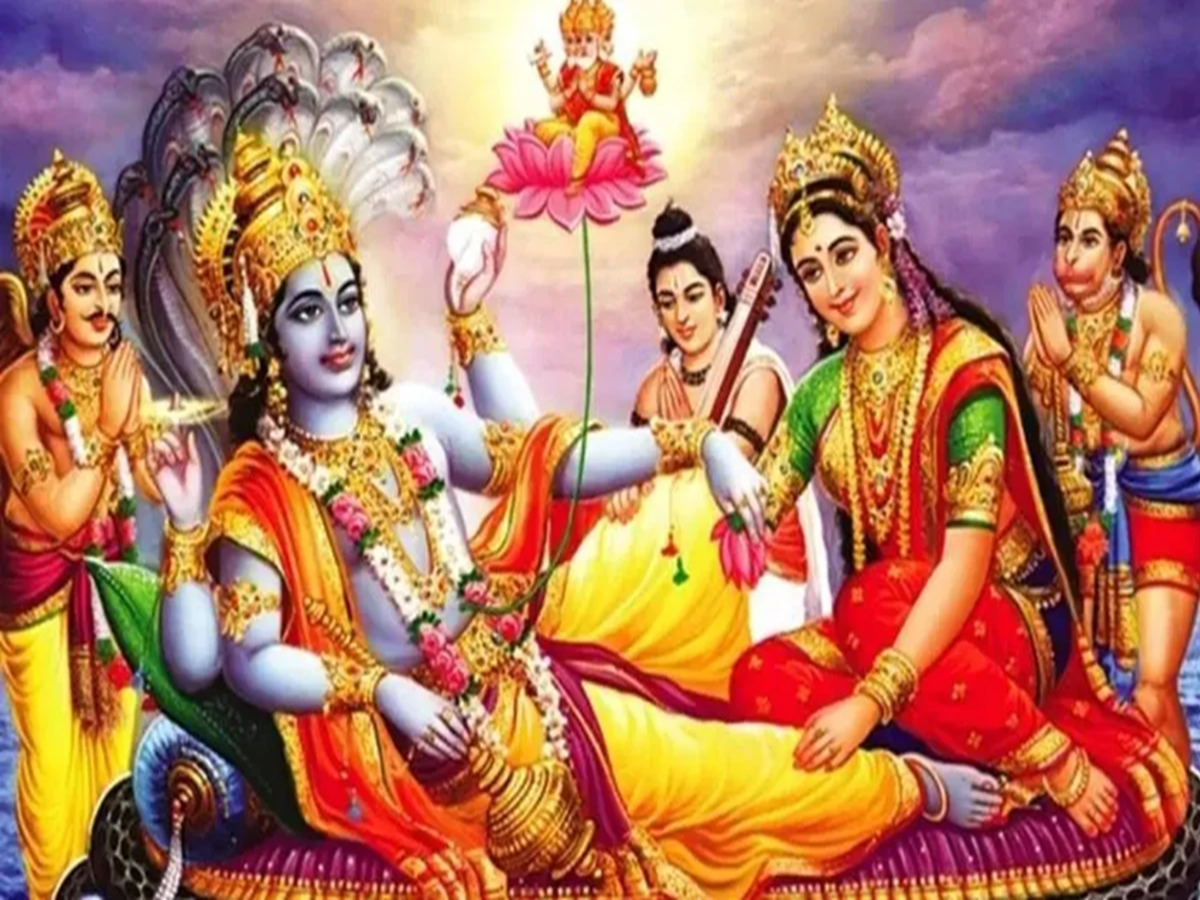
According to religious belief, Lord Vishnu enters a state of cosmic slumber (*Yoganidra*) on Devshayani Ekadashi and awakens on Devutthana Ekadashi. Numerous major festivals are celebrated during the intervening four months. These include the month of Shravan, Sawan Mondays, Jhulnotsav, Nag Panchami, Shri Krishna Janmashtami, Ganesh Chaturthi, Anant Chaturdash, Pitru Paksha, Sharadiya Navratri, and the special spiritual observances of the Kartik month. Therefore, this entire period is considered highly auspicious from a religious perspective.
**Mention of Chaturmas in the Ramcharitmanas**
Varun Das notes that Lord Shri Ram also spent the monsoon season staying in one place. Goswami Tulsidas mentions this in the *Kishkindha Kanda* of the *Ramcharitmanas*. While describing the rainy season, Tulsidas explains that traveling amidst torrential rain is arduous and that proceeding on a journey was considered appropriate only after the arrival of the autumn season. For this reason, Chaturmas is regarded as a time for stillness, spiritual practice, and devotion.
Saints and sages practice spiritual discipline while staying in one place.
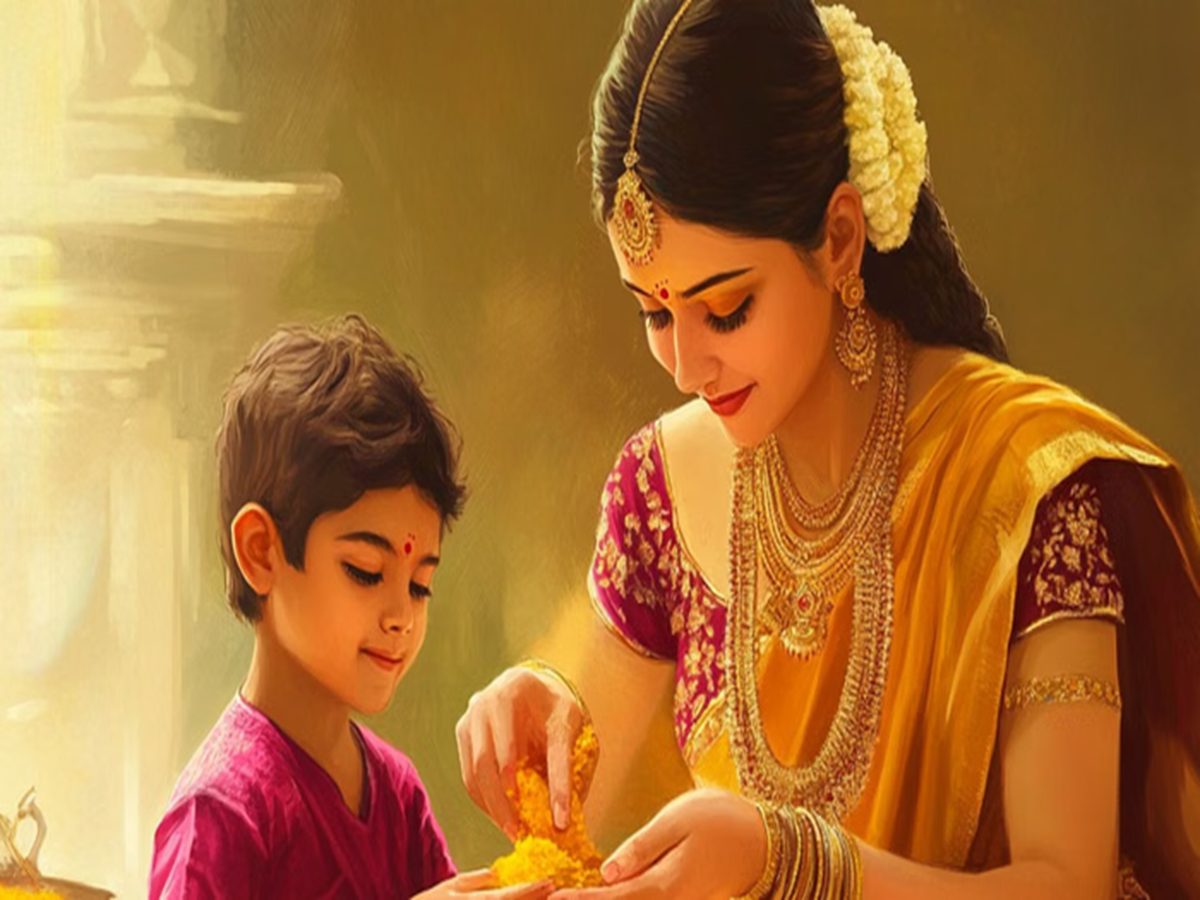
During Chaturmas, *Dandi Sannyasis* and numerous saints and sages reside in a single location. They suspend their travels to devote their time to *Japa* (chanting), *Tapa* (austerities), religious discourses, and rituals. During this period, devotees also resolve to adopt a *Sattvic* (pure) diet, a disciplined lifestyle, and a spirit of service.
Acts of chanting, penance, and charity yield manifold spiritual merit
Religious belief holds that acts such as chanting, penance, charity, fasting, and service performed during Chaturmas yield far greater spiritual merit than those performed on ordinary days. For this reason, Sanatan tradition regards these four months as the most auspicious time for introspection, spiritual practice, and spiritual advancement.
Disclaimer: This content has been sourced and edited from News18 Hindi. While we have made modifications for clarity and presentation, the original content belongs to its respective authors and website. We do not claim ownership of the content.