
LIFESTYLE
Chandipura Virus in Children: Why Young Kids Are at Higher Risk and What Parents Should Know
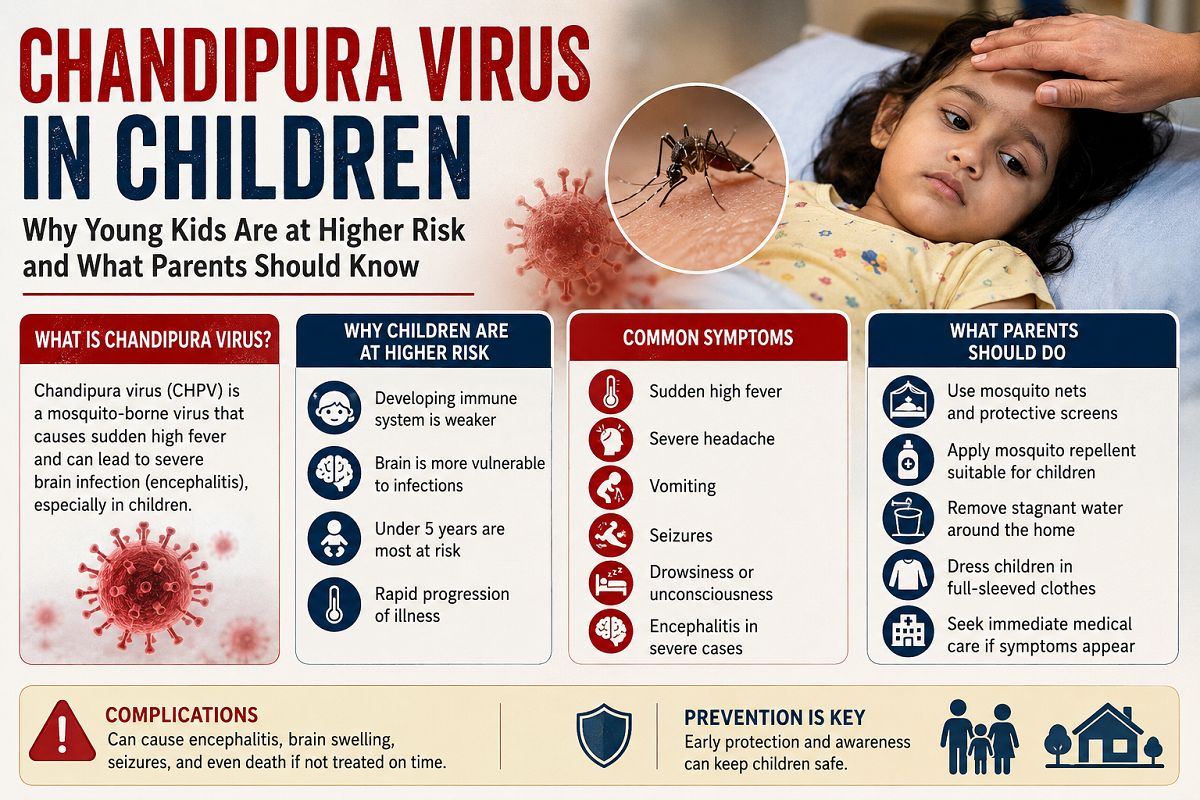
Chandipura Virus in Children: Health experts are urging parents to stay alert as Chandipura virus (CHPV) infections have once again raised concerns in parts of India. While the virus can infect people of different age groups, severe illness and most reported fatalities have largely been seen among young children, particularly those under the age of five.
Doctors say the virus can rapidly affect the brain and nervous system, making early diagnosis and timely medical care crucial. Here's why children are more vulnerable, the symptoms to watch for, and how parents can help reduce the risk of infection.
What Is Chandipura Virus?
Chandipura virus is a viral infection that has been reported in several parts of India over the years. It is known to cause acute fever and, in some cases, serious complications involving the brain, including encephalitis (brain inflammation).
The disease can progress quickly, especially in young children, making prompt medical attention essential if symptoms appear.
Why Are Children More Vulnerable?
According to doctors, the virus does not specifically target children. However, young children are more susceptible because their brain and nervous system are still developing, making them less capable of coping with severe inflammation caused by the infection.
One of the main reasons is that children below the age of five have an immature blood-brain barrier. This protective layer normally prevents harmful substances from entering the brain. Since it is not yet fully developed in younger children, viruses and inflammatory responses can more easily reach brain tissue and cause damage.
At the same time, the brain undergoes rapid growth during early childhood. Any severe inflammation during this critical developmental period may interfere with normal brain development and affect important functions such as movement, speech, learning, and cognitive abilities.
How the Virus Affects the Brain
When Chandipura virus reaches the central nervous system, it can trigger inflammation in the brain. Because a young child's brain is still developing, the damage caused by swelling may occur much faster than in older children or adults.
If treatment is delayed, neurological complications may develop rapidly, increasing the risk of serious illness.
Common Symptoms of Chandipura Virus
Parents should seek immediate medical attention if a child develops:
- High fever
- Severe headache
- Vomiting
- Extreme weakness or unusual drowsiness
- Irritability or confusion
- Seizures (fits)
- Loss of consciousness
- Difficulty responding or abnormal behavior
Since the disease can worsen within a short period, early hospitalization can be critical.
Why Early Diagnosis Is Important
Doctors emphasize that timely recognition and treatment significantly improve the chances of managing the illness. Children with persistent high fever or neurological symptoms should not be treated at home without medical advice.
Prompt evaluation allows healthcare professionals to provide supportive care and monitor the child for complications affecting the brain and nervous system.
How Parents Can Help Reduce the Risk
Although no single preventive measure can eliminate the risk entirely, parents can take several precautions:
- Protect children from insect bites by using mosquito nets and appropriate repellents.
- Keep homes and surroundings clean to reduce insect breeding.
- Dress children in full-sleeved clothing when possible, especially during the evening.
- Ensure children maintain good hygiene.
- Seek immediate medical care if a child develops high fever or neurological symptoms.
When Should Parents Visit a Doctor?
Medical experts recommend consulting a doctor immediately if a child experiences:
- Persistent high fever
- Repeated vomiting
- Seizures
- Unusual sleepiness
- Difficulty waking up
- Sudden changes in behavior
- Loss of consciousness
Delaying treatment may increase the risk of severe complications.
Final Take
The recent concerns surrounding Chandipura virus serve as an important reminder for parents to remain vigilant, especially during periods when viral infections are more common. While the virus does not exclusively infect children, young children—particularly those under five years of age—face a greater risk of severe illness because their brain and nervous system are still developing.
Recognizing early symptoms and seeking immediate medical attention can play a vital role in improving outcomes. Parents should avoid self-medication and consult a qualified healthcare professional whenever a child develops persistent fever or symptoms affecting the nervous system.
Disclaimer: This article is intended for informational purposes only and should not be considered a substitute for professional medical advice. If a child develops severe fever, seizures, or neurological symptoms, seek immediate medical attention from a qualified healthcare provider.