

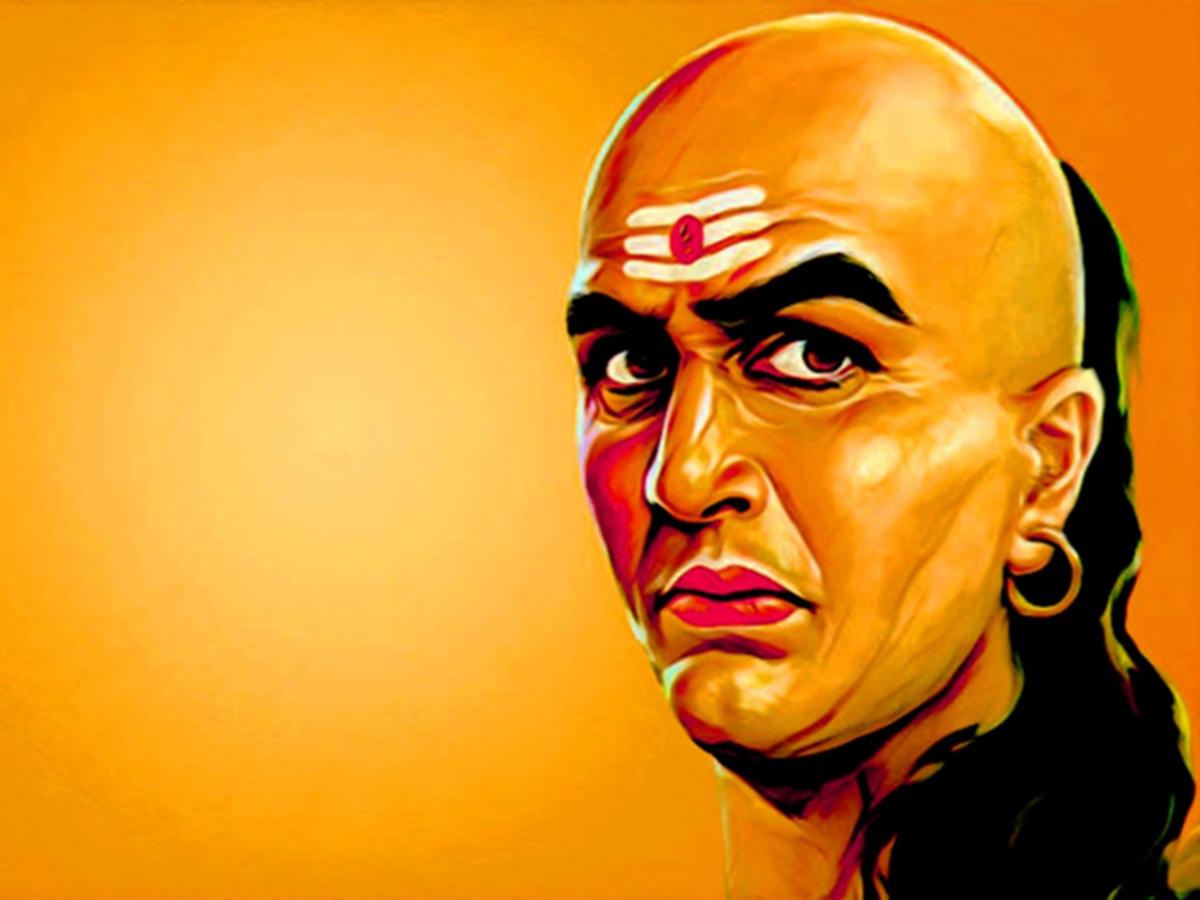
Chanakya Niti: In most Indian households, men are the sole earners, and the entire household runs on their income. However, the professional landscape is gradually shifting; with the arrival of AI and ChatGPT right at our doorstep, many individuals are losing their jobs daily. Foreseeing this very situation long ago, Acharya Chanakya formulated a specific principle. Chanakya observed that a king does not lose his court, an advisor his effectiveness, or a companion his significance overnight; rather, they gradually weaken from within. This same pattern is replicated even today in relationships, careers, friendships, and leadership roles. In this principle, Chanakya explains that if men fail to eradicate six specific habits within themselves, they risk becoming permanently incompetent. Let us explore the principles Chanakya laid down for men who shoulder the responsibility of running a household...

In his teachings, Acharya Chanakya asserts that one's efforts in the professional sphere must be consistent, not sporadic. Many men work tirelessly initially to earn respect, affection, or a high position; however, once they attain a comfortable status, their efforts begin to wane. They stop listening attentively, cease striving for self-improvement, and lose their sense of curiosity. They fall under the delusion that their past hard work will continue to sustain their relevance in the future—a belief that proves entirely unfounded. As time marches on, others continue to advance, while these individuals remain stagnant, stuck exactly where they started. Chanakya observes that one's significance does not vanish abruptly; rather, it erodes gradually as consistent effort is relegated to an optional afterthought.
Chanakya issued a stern warning long ago: in the professional realm, arrogance is the quickest path to irrelevance. Men who harbor the belief that they possess all the answers cease to be open to learning. They begin to perceive feedback as offensive, dismiss advice as futile, and interpret suggestions for improvement as personal insults. Meanwhile, the world continues to evolve, expectations shift, and new ideas emerge. Those who fail to update themselves become obsolete—not necessarily incorrect, but simply no longer essential. Chanakya’s message is unequivocal: he who refuses to learn will inevitably be replaced by someone else. Chanakya observed that individuals in the workplace who rely on praise become unstable. Those who crave constant validation begin to feel insecure when compliments are scarce. Their moods fluctuate, and their reactions become unpredictable. This places a burden on others to constantly bolster their morale. Gradually, this emotional dependency becomes exhausting. Chanakya asserts that anyone who cannot remain steady without the applause of others becomes a burden, rather than a pillar of support.
Chanakya distinguished between true leadership and mere dominance. Leadership commands loyalty through competence and quiet authority, whereas control is enforced through pressure and fear. Men who seek to control every conversation, decision, emotion, or outcome merely reveal their own insecurities. Control may yield results for a time, but it causes people to emotionally disengage. Ultimately, people seek environments where they can breathe freely. Chanakya notes that control does not make a person indispensable; rather, it makes them easily replaceable.
Chanakya valued clarity far more than comfort. Men who shy away from difficult conversations, suppress their emotions, or resort to silence create confusion. Silence becomes a habit for them. Over time, people cease to rely on them for emotional support. Trust erodes, and relationships become tenuous. Chanakya believed that men are not cast aside because they speak too much, but rather because they fail to speak up when it matters most.
Chanakya maintained that a person's presence gains significance only through purpose. Men who lack direction are simply swept along by the currents of their daily routine. Days pass, yet their impact fails to grow. They exist, but without intent. Gradually, their presence becomes unremarkable. People may enjoy their company, but they do not rely on them. Chanakya taught that men without a purpose do not become indispensable; instead, they become merely optional.
PC Social Media