FASHION
Causes of Pimples: These are the reasons for acne on the face, learn how to avoid them here..
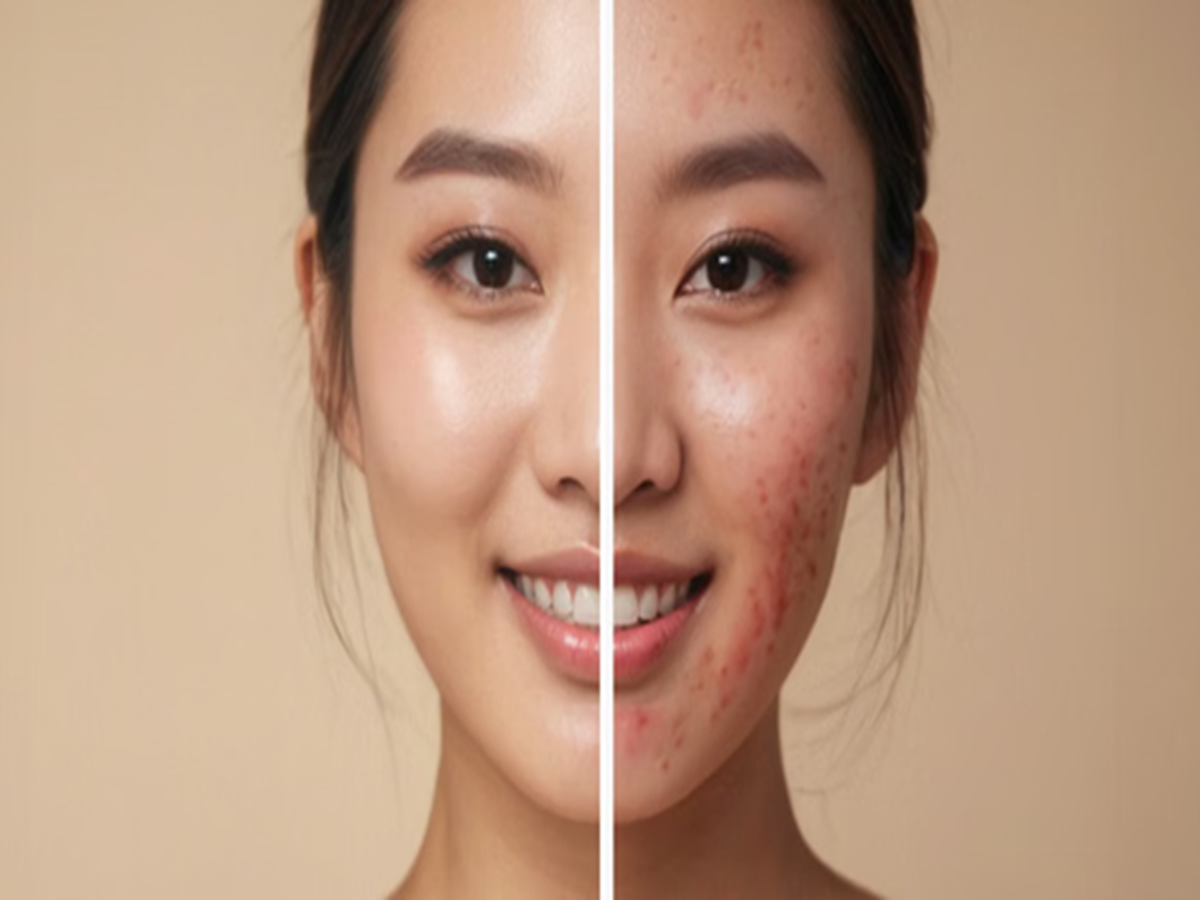
Causes of Increased Pimples on Face: Everyone wants to see their skin clean, glowing, and flawless, but sudden pimples or acne can spoil this beauty. Often, a large pimple appears on the face just before a special occasion, which can diminish self-confidence.
Acne is a common problem, from adolescence to adulthood, and it can affect any skin type. Many people use expensive products, but without understanding the true cause, the problem returns again and again.

Actually, acne is caused not only by external impurities but also by changes occurring within the body. Therefore, it is important to first understand the root cause and then adopt the appropriate measures. Here in this article, we will tell you everything related to it.
Causes of Acne
Acne occurs when the skin's pores become clogged with oil, dirt, and dead cells.
The most common cause is hormonal changes, especially during adolescence, menstruation, pregnancy, or stress.
Increased hormones increase the skin's sebum (oil), which, combined with bacteria, causes pimples.
Oily skin, improper skincare products, excessive makeup, junk food, excessive dairy consumption, lack of sleep, and stress are also contributing factors.
Repeatedly touching the face, dirty pillowcases, or mobile screens also contributes to the growth of bacteria, which can lead to acne.
Ways to Avoid It
Cleanse your face twice a day with a mild, sulfate-free face wash.
Choose oil-free and non-comedogenic products.
Exfoliate lightly 1-2 times a week, but avoid excessive scrubbing.
Reduce junk food, excessive sugar, and fried foods.
Get 7-8 hours of sleep daily and practice yoga or meditation to reduce stress.
What to do if you get pimples?
Avoid popping or squeezing pimples; this can lead to scarring and infection.
Apply cream treatments containing salicylic acid or benzoyl peroxide as directed by your doctor.
Aloe vera gel or tea tree oil may help with mild pimples.
Less makeup and keep your skin clean.

What to do for persistent acne?
If acne recurs or develops into painful cystic acne, consult a dermatologist.
Your doctor may recommend blood tests, hormone tests, or special medications.
Avoid long-term self-medication.
Acne can be controlled with proper treatment, a balanced lifestyle, and regular skin care.
PC Social Media