
LIFESTYLE
Belly fat not budging despite eating healthy? Stubborn fat is refusing to go away because of these mistakes..
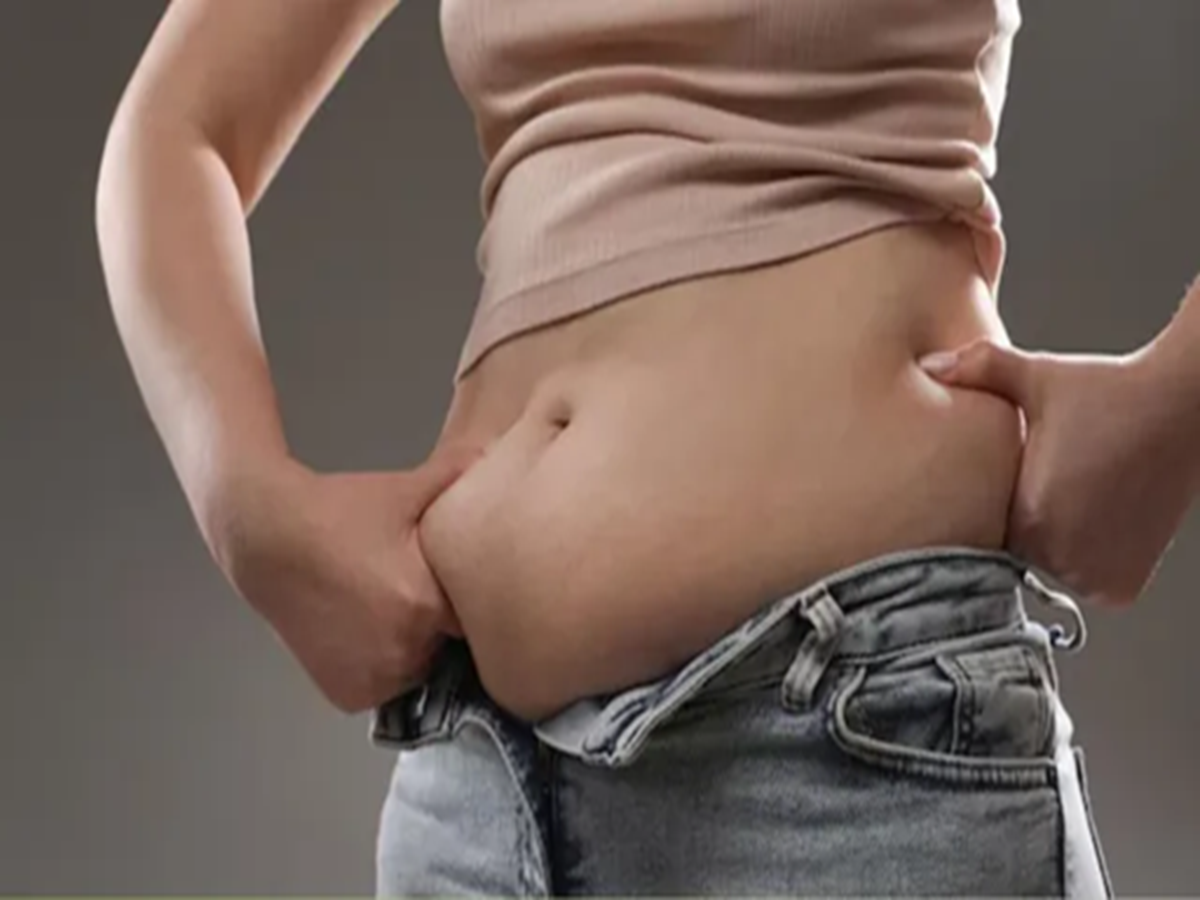
People often assume that simply following a healthy, balanced diet will automatically cause their belly fat to disappear. However, this isn't always the case. Sometimes, despite your best efforts—such as controlling your diet or cutting out sweets—stubborn belly fat persists.
The reasons for this go beyond just diet; they are linked to factors like metabolic health, hormones, and daily habits. Let’s explore the reasons why belly fat might not be going away.

Why isn't belly fat decreasing?
Stress and Cortisol Levels: Chronic stress raises the level of cortisol in the body. This hormone is responsible for fat accumulation around the abdomen. If you are mentally stressed or lack adequate sleep, losing fat becomes difficult, regardless of how healthy your diet is.
Lack of Sleep: Not getting 7–8 hours of deep sleep daily is a major obstacle to weight loss. Sleep deprivation increases levels of ghrelin (a hunger-stimulating hormone) and slows down metabolism, making it hard to shed belly fat.
Lack of Physical Activity: Diet alone isn't enough; burning fat is difficult without exercise. Engaging in 30–40 minutes of walking, yoga, or strength training daily is essential for the body to burn calories and reduce fat.
Excessive Calorie Intake: We often assume that healthy foods—such as dry fruits, smoothies, oats, or peanut butter—are low in calories, but consuming them in large quantities increases calorie intake. It is important to consume even healthy foods in the right portions.
Hormonal Imbalance: Conditions like thyroid issues, PCOD, or insulin resistance make weight loss difficult, particularly around the midsection. In such cases, medical advice and appropriate treatment are necessary.
Poor dietary habits—many people drastically cut down on food intake in the name of a healthy diet, causing the body to enter "starvation mode." In this state, the body begins to conserve fat, and weight loss stalls instead of progressing.
Lack of water—insufficient water intake hinders the reduction of belly fat; a lack of water prevents toxins from being flushed out and slows down metabolism.

Simply following a healthy diet is not enough to reduce belly fat. It is essential to pay attention to stress management, adequate sleep, exercise, hydration, and hormonal balance.
PC Social Media