
LIFESTYLE
Badrinath Dham: How Does the Eternal Flame Keep Burning for Six Months in the Closed Temple? Discover More Fascinating Facts..
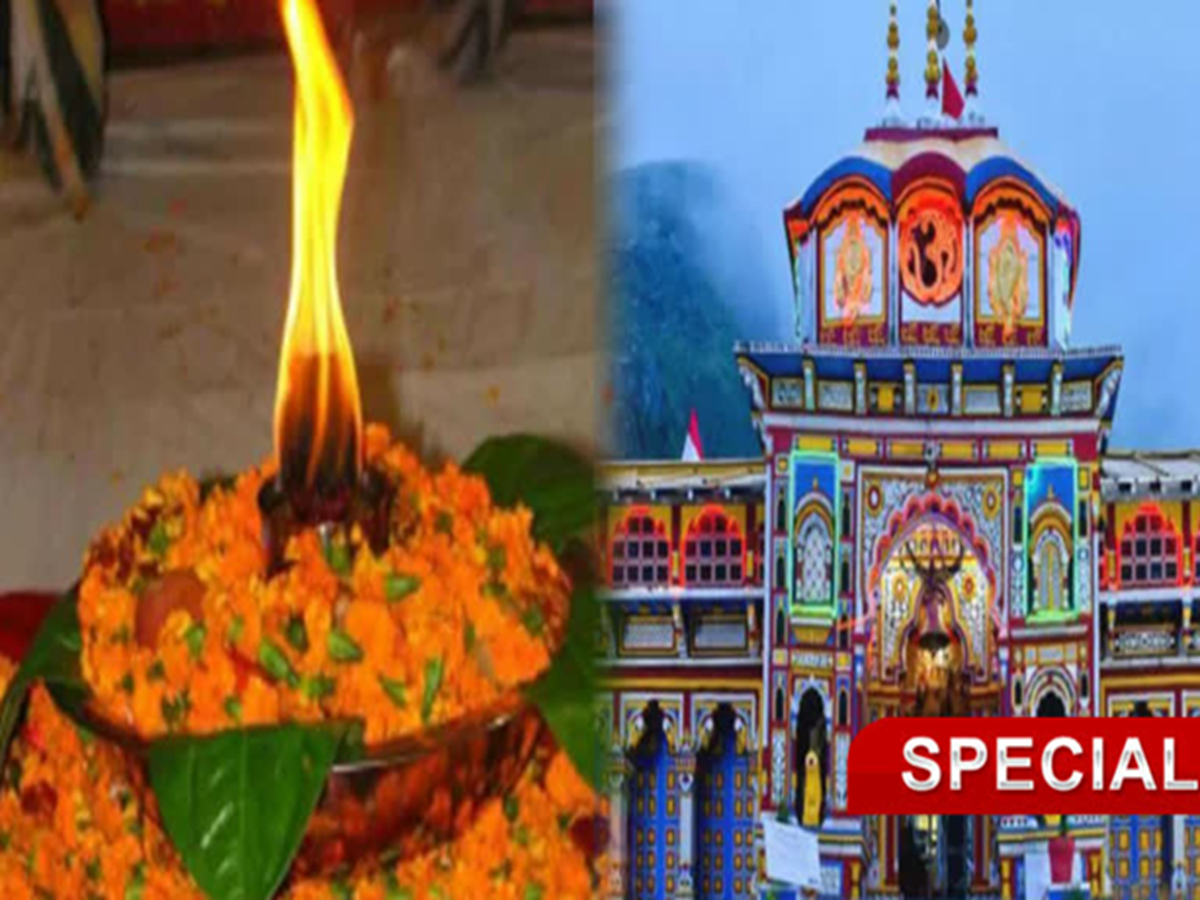
Badrinath Dham Interesting Facts: Today, Thursday, April 23, on the auspicious occasion of Ganga Saptami, the portals of Badrinath Dham were opened in accordance with traditional rituals. The temple gates were opened amidst the chanting of mantras and resounding chants of "Jai" (victory) to Lord Badri Vishal. Today marks the convergence of five auspicious *Yogas* (celestial alignments): Sukarma Yoga, Dhriti Yoga, Sarvartha Siddhi Yoga, Guru Pushya Yoga, and Amrit Siddhi Yoga. Badrinath Dham constitutes a pivotal stop on the Char Dham pilgrimage circuit. Indeed, if you embark on the Char Dham journey, your pilgrimage remains incomplete without offering prayers at Badrinath Dham.
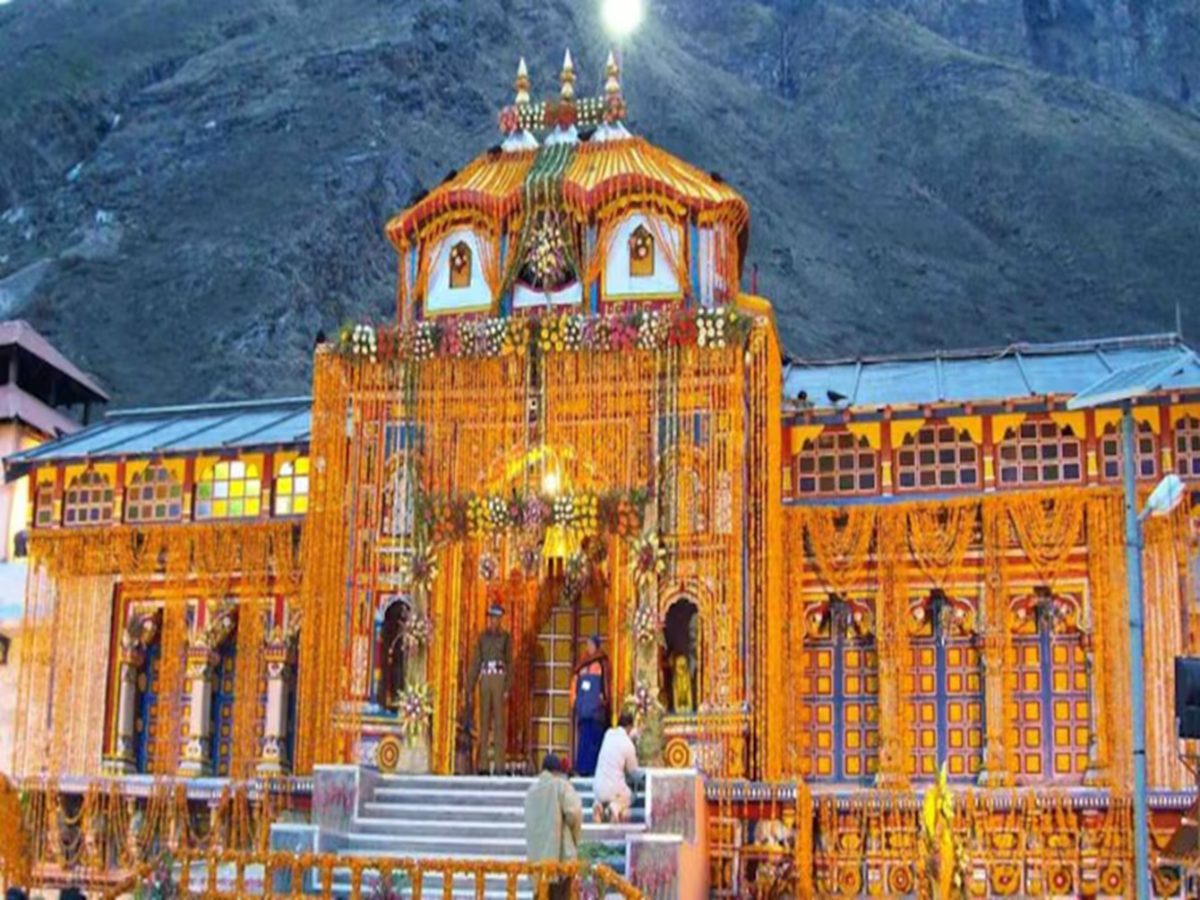
The Char Dham pilgrimage encompasses Gangotri, Yamunotri, Kedarnath, and Badrinath Dham. Badrinath Dham serves as the abode of Lord Badri Vishal. The temple remains open for a period of six months and remains closed for the remaining six months. An intriguing fact associated with this is that during the six months when the temple remains closed, a sacred lamp continues to burn continuously inside. Let us explore some fascinating facts regarding Lord Badri Vishal and His sacred abode.
Who is Lord Badri Vishal?
At Badrinath Dham, Lord Vishnu Himself resides in the form of Lord Badri Vishal. Goddess Lakshmi also resides alongside Him within the *Garbha Griha* (sanctum sanctorum) of the temple. Additionally, Uddhav Ji and the Lord of Wealth, Kubera, are present within the sanctum sanctorum. The temple at Badrinath Dham is also referred to as the Badri Narayan Temple.
How did Badrinath Dham acquire its name?
According to a mythological legend, on one occasion, Goddess Lakshmi became displeased with Lord Vishnu and departed from Vaikuntha. Consequently, Lord Vishnu arrived at the site that is now Badrinath Dham and undertook a period of intense penance (*Tapasya*). When Goddess Lakshmi eventually calmed down and returned in search of Lord Hari (Vishnu), she discovered Lord Vishnu performing penance within a forest filled with *Badri* trees. The word *Badri* refers to the fruit of the Jujube tree (*Ber*). It was then that Goddess Lakshmi addressed Lord Vishnu as "Badrinath." Thus, this sacred site came to be known as Badrinath. The term *Dham* signifies an abode or residence—specifically, the sacred place where Lord Badrinath resides.
According to another legend, while Lord Vishnu was deeply immersed in meditation at Badrinath, Goddess Lakshmi assumed the form of a Jujube tree (*Ber ka Vriksha*) to shelter and protect Him from the biting cold. Pleased by this, Lord Vishnu declared that this sacred site would henceforth be known as Badrinath, and that here, alongside Him, she too would be worshipped.
**Badrinath Dham: The Vaikuntha on Earth**
Badrinath Dham is revered as *Bhu-Vaikuntha*—meaning the Vaikuntha (celestial abode) situated on Earth. Nestled along the banks of the Alaknanda River, between the twin peaks of Nar and Narayan, Lord Vishnu resides here in a meditative *Yoga Mudra* (yogic posture), accompanied by Goddess Lakshmi.
**Nar and Narayan Performed Penance at Badrinath**
Badrinath Dham is situated amidst two majestic mountains. These two peaks are known as Nar and Narayan. It was at this very site that Lord Vishnu, in the form of His partial incarnations—Nar and Narayan—performed rigorous penance. Later, during the *Dwapar Yuga*, these divine entities incarnated on Earth as Arjuna (in the form of Nar) and Lord Krishna (in the form of Narayan).
**An Eternal Flame Burns for Six Months at Badrinath Dham**
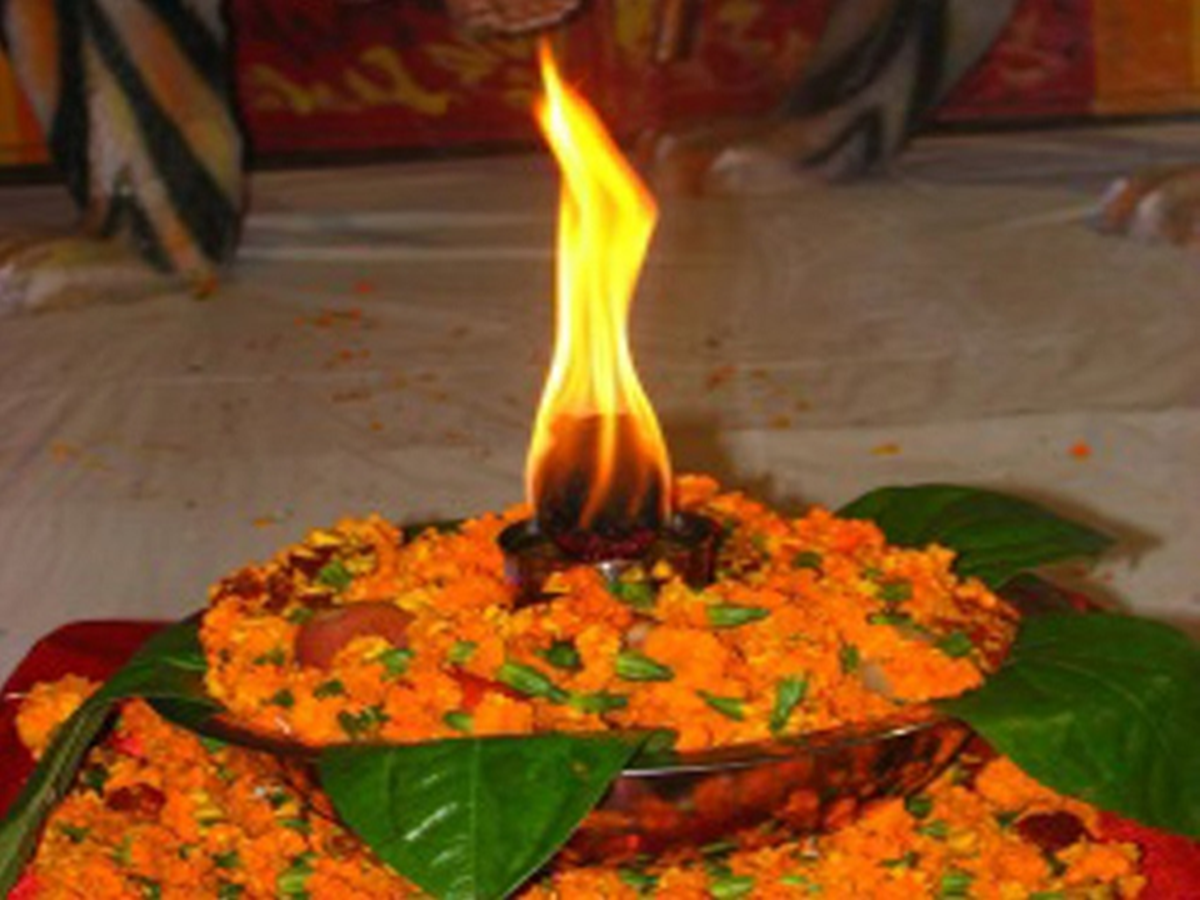
When heavy snowfall descends upon Badrinath Dham, the temple portals are closed for a period of six months, during which an *Akhand Deepak* (eternal flame) is lit within the sanctum. When the temple doors are reopened after these six months, the lamp is invariably found still burning brightly. It is believed that during this six-month interlude, the celestial deities themselves worship Lord Vishnu and tend to the lamp, keeping its flame alive.
**The Glory of Badrinath Dham Immortalized in a Proverb**
There is a popular proverb regarding Badrinath Dham: "Jo jaye Badri, wo na aaye Odri" (He who visits Badri shall never return to the womb). This adage signifies that any individual who undertakes a pilgrimage to Badrinath Dham attains *Moksha*—liberation from the cycle of birth and death—and is thereby spared from the necessity of entering a mother's womb ever again. This proverb encapsulates the entire spiritual glory and significance of Badrinath Dham; indeed, those who offer their prayers and seek the *Darshan* (divine sight) of Lord Badri Vishal are assured of attaining ultimate salvation.
PC Social Media