
LIFESTYLE
Avoid these types of foods during the rainy season to prevent health issues—find out more..
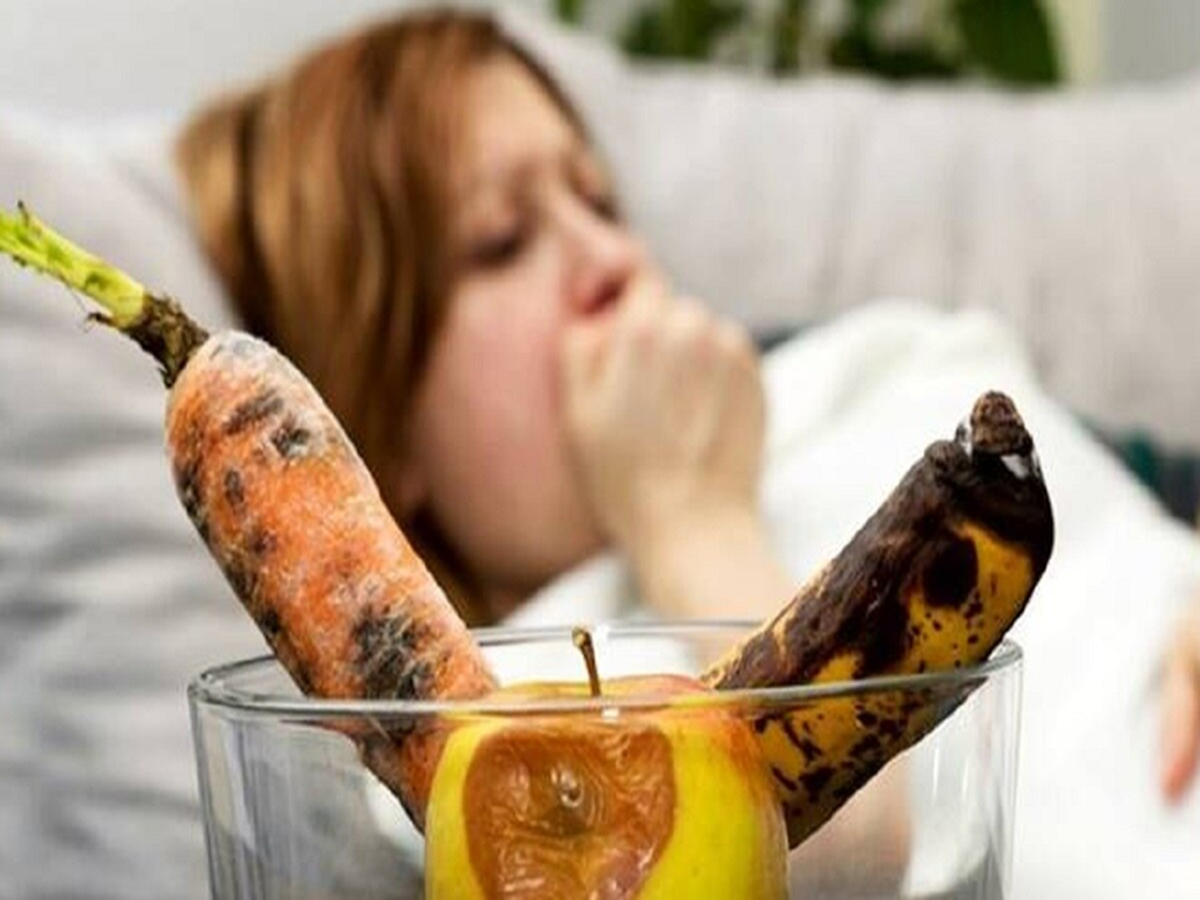
While the rainy season offers relief from the heat, it also brings various illnesses along with it. Humidity levels rise during this time, creating an environment where bacteria, viruses, and fungi thrive rapidly. Consequently, even slight negligence regarding diet can lead to stomach infections, food poisoning, diarrhea, typhoid, and other health issues. Therefore, it is crucial to avoid certain foods during the monsoon.
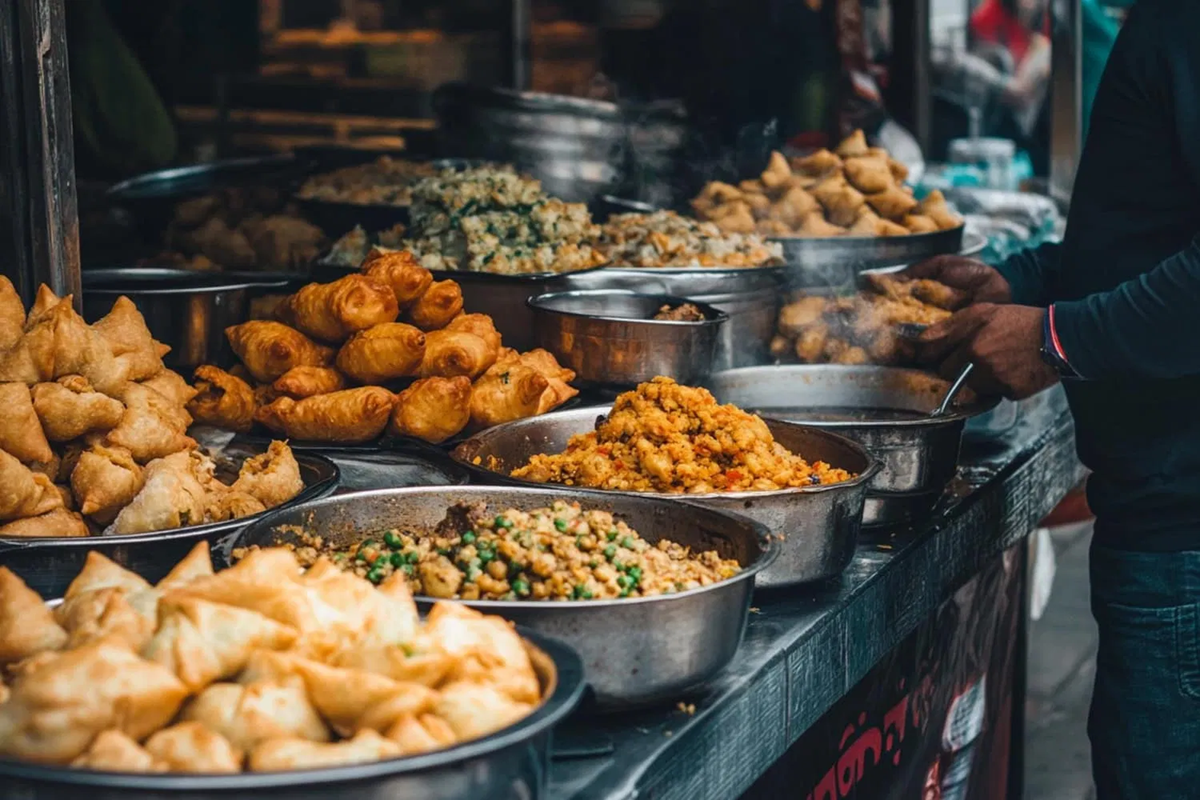
1. **Roadside cut fruits and chaat**
During the rainy season, one should avoid consuming cut fruits, chaat, *golgappas*, and other street foods sold in the open. Flies and bacteria easily settle on food exposed to the open air, increasing the risk of infection. Contaminated food can cause problems like stomach pain, vomiting, and diarrhea.
2. **Limited consumption of green leafy vegetables**
Insects and microorganisms tend to thrive on green leafy vegetables—such as spinach, fenugreek, mustard greens, and cabbage—during the rainy season. If these are not cleaned thoroughly, the risk of infection increases. Therefore, it is essential to wash and cook these vegetables properly before consumption.
3. **Fried and overly spicy foods**
One often craves *pakoras*, *samosas*, and *kachoris* during the rains, but consuming them in excess can be harmful to health. Foods high in oil and spices place extra strain on the digestive system, potentially leading to gas, indigestion, and acidity.
4. **Be cautious with seafood**
Many aquatic creatures breed in the sea during the monsoon. Fish and other seafood available during this season can sometimes cause infections. If you choose to eat seafood, pay special attention to its quality and freshness.
5. **Avoid eating stale food**
Food can spoil quickly due to humidity. Many people reheat and eat old food stored in the refrigerator, but this practice can increase the risk of food poisoning. It is always advisable to eat fresh, hot food during the monsoon season.
6. Consume raw salads with caution
Vegetables and fruits bought from the market may harbor bacteria or traces of pesticides. Therefore, consuming lightly boiled or thoroughly washed vegetables—rather than raw salads—is considered safer.
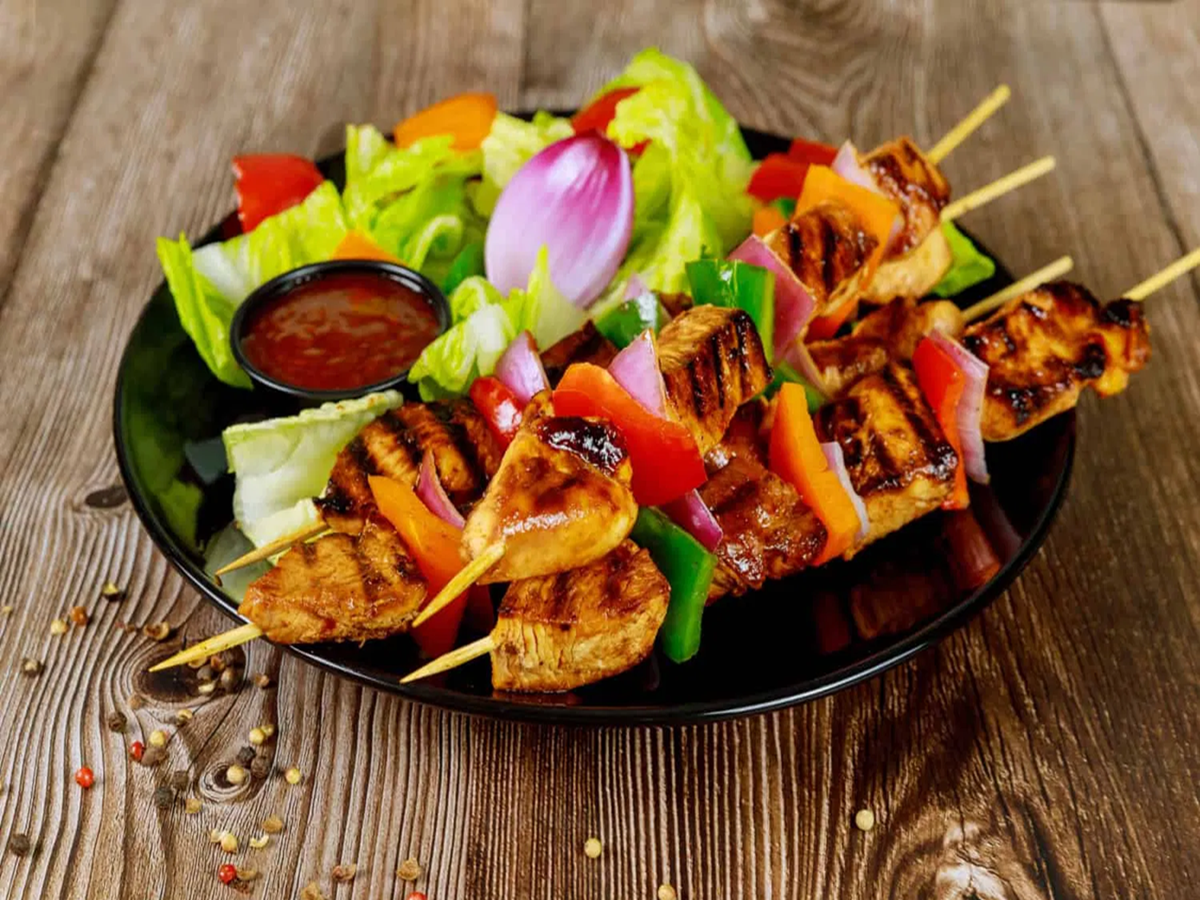
What to eat?
Opt for fresh, easily digestible food during the rainy season. Lentils (dal), khichdi, soups, boiled vegetables, seasonal fruits, and adequate water intake help maintain and boost the body's immunity. Additionally, natural ingredients like ginger, turmeric, and holy basil (tulsi) can be beneficial.