
LIFESTYLE
Are you also putting off a diabetes test because you consider yourself healthy? Find out why timely testing is important..
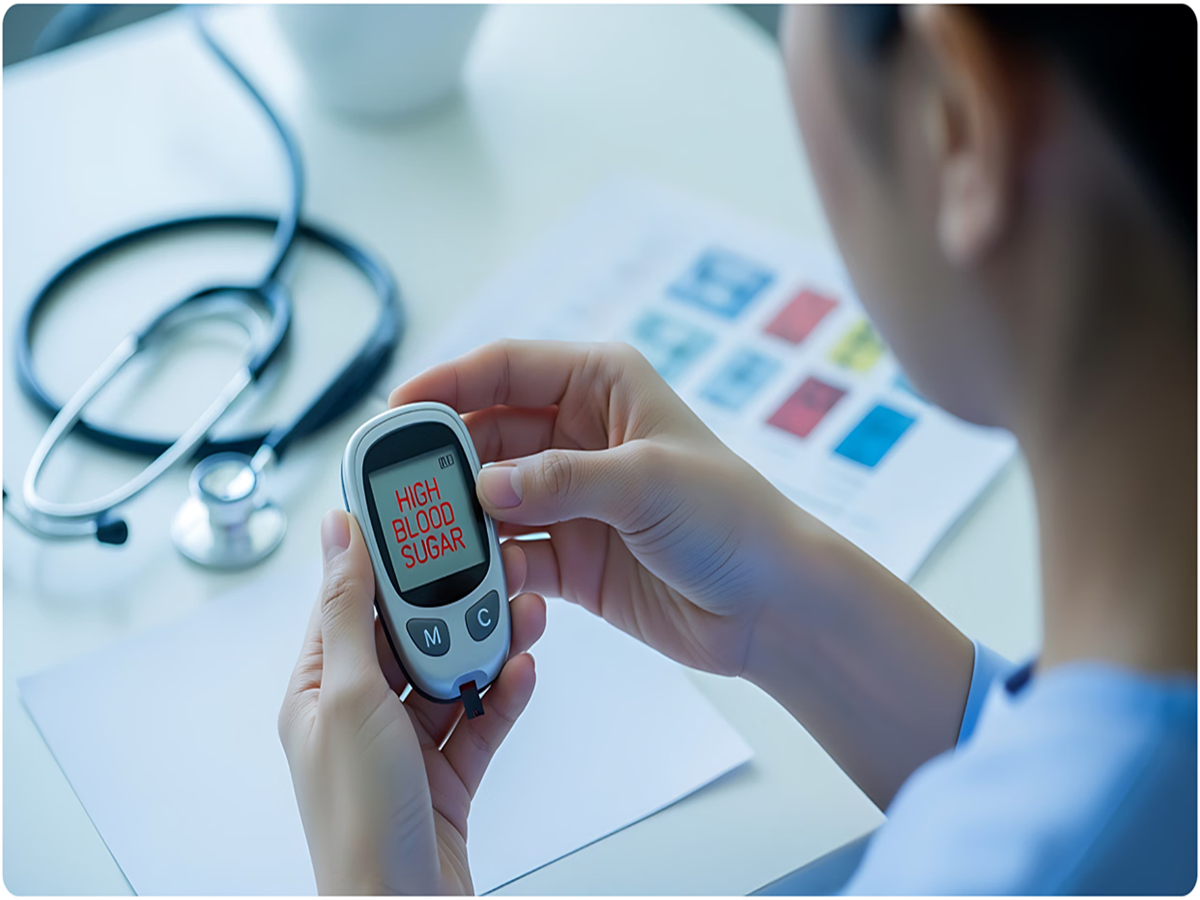
Diabetes Symptoms: Most of us gauge our health based on how we feel. If we have energy, sleep well, and face no significant issues, we tend to assume that everything is fine. However, Type 2 diabetes often develops gradually, without any obvious symptoms. According to the World Health Organization (WHO), the symptoms of diabetes can be so subtle that it may take years to identify them. This is precisely why the statistics regarding diabetes in India are a cause for concern.
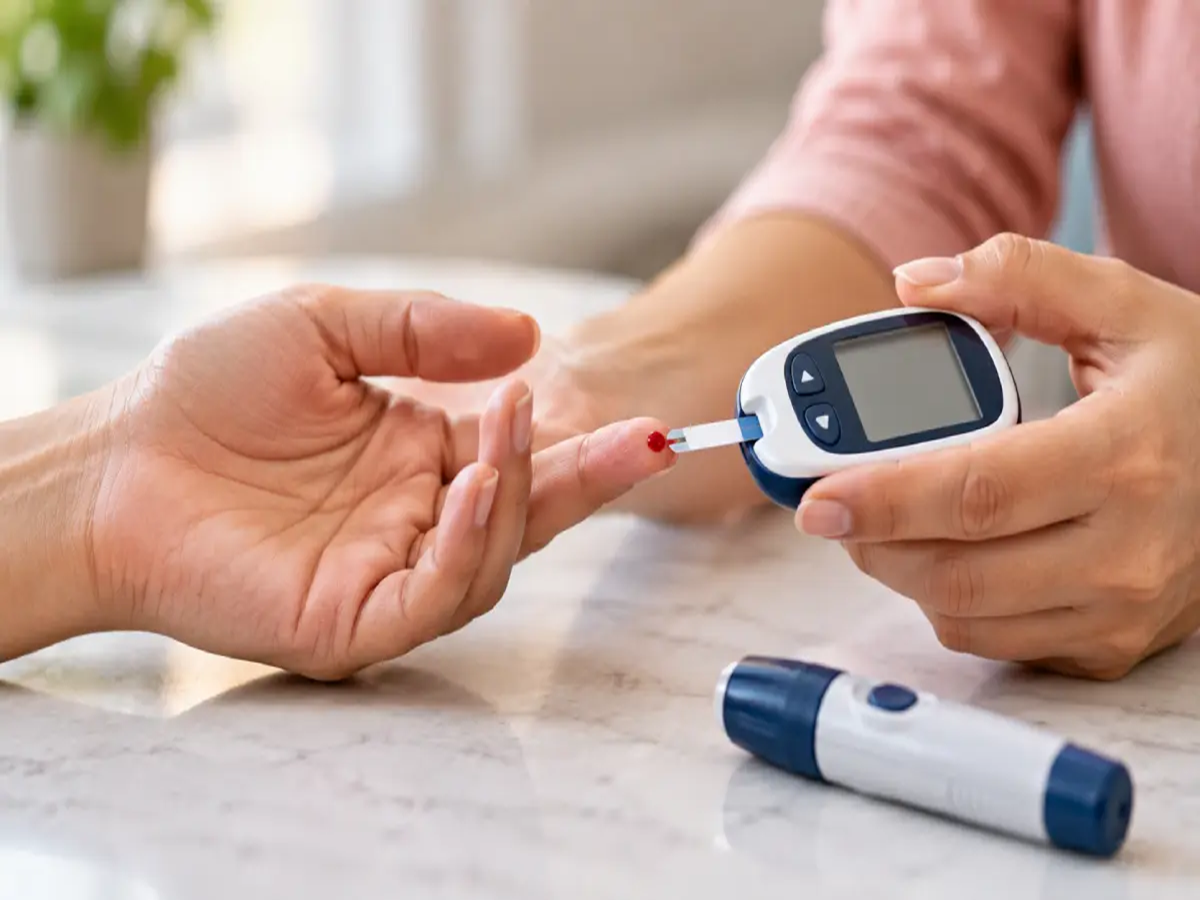
Failure to Get Tested in Time
According to the International Diabetes Federation (IDF) Diabetes Atlas, approximately 89.8 million (8.98 crore) people in India aged 20 to 79 were living with diabetes in 2024—and 43 percent of them were unaware of their condition. In other words, more than 38 million (3.8 crore) people did not know they had diabetes. If the body remained unharmed until the condition was detected, it might not be such a serious issue; however, prolonged high blood sugar levels can gradually damage the heart, kidneys, eyes, and nerves.
The IDF notes that many people live with Type 2 diabetes for years without ever being tested or diagnosed. By the time the condition is discovered, complications may have already begun to develop in the body. Common symptoms—such as excessive thirst, frequent urination, fatigue, or blurred vision—are often dismissed as mere consequences of work-related stress or general exhaustion.
Given that it can take so long for symptoms to manifest, it is wise to ensure early detection. This is the very message conveyed by the theme for this year’s World Diabetes Day 2026: "Early Action on Diabetes." Timely screening can also help identify individuals who are at risk of developing diabetes in the future.
What is prediabetes?
According to the national ICMR-INDIAB study, approximately 136 million (13.6 crore) people in India were in a state of prediabetes in 2021. Prediabetes is a condition where blood sugar levels are higher than normal but have not yet reached the threshold defined for a diabetes diagnosis. This is the stage for which the strongest scientific evidence exists, showing that lifestyle modifications can reduce the risk of developing type 2 diabetes.
The Diabetes Prevention Program conducted in the United States demonstrated that significant changes to diet and physical activity reduced the risk of developing type 2 diabetes by 58 percent over three years. Similarly, the Indian Diabetes Prevention Program found that even less intensive lifestyle modifications reduced the risk of diabetes by 28.5 percent among Indians with impaired glucose tolerance. However, these findings do not apply to type 1 diabetes; according to the WHO, there is currently no proven method to prevent type 1 diabetes.
How can you protect yourself from the risk of diabetes?
Diabetologist Trijya Banerjee explains that preventing diabetes begins with understanding your personal level of risk. In India, this risk does not always manifest in the way it is commonly perceived. Among Asian Indians, there is a tendency to develop type 2 diabetes at a younger age and at a lower body weight. A significant factor contributing to this is the accumulation of excess fat around the abdomen. Therefore, body weight alone is not an accurate indicator for assessing diabetes risk. With this in mind, the 'Indian Diabetes Risk Score' incorporates factors such as age, waist circumference, family history of diabetes, and physical activity levels to help identify individuals who should undergo diabetes screening.
For those at a higher risk of diabetes, the WHO recommends at least 150 minutes of moderate-intensity physical activity per week, a balanced and nutritious diet, maintaining a healthy weight, and avoiding tobacco. Experts believe that awareness about diabetes—and conversations regarding it—should begin while an individual still feels completely healthy. It is crucial to provide people with accurate information about their risk and encourage them to take appropriate, timely action. While it may take several years for symptoms of type 2 diabetes to manifest, we do not need to wait that long to detect the condition.
PC Social Media